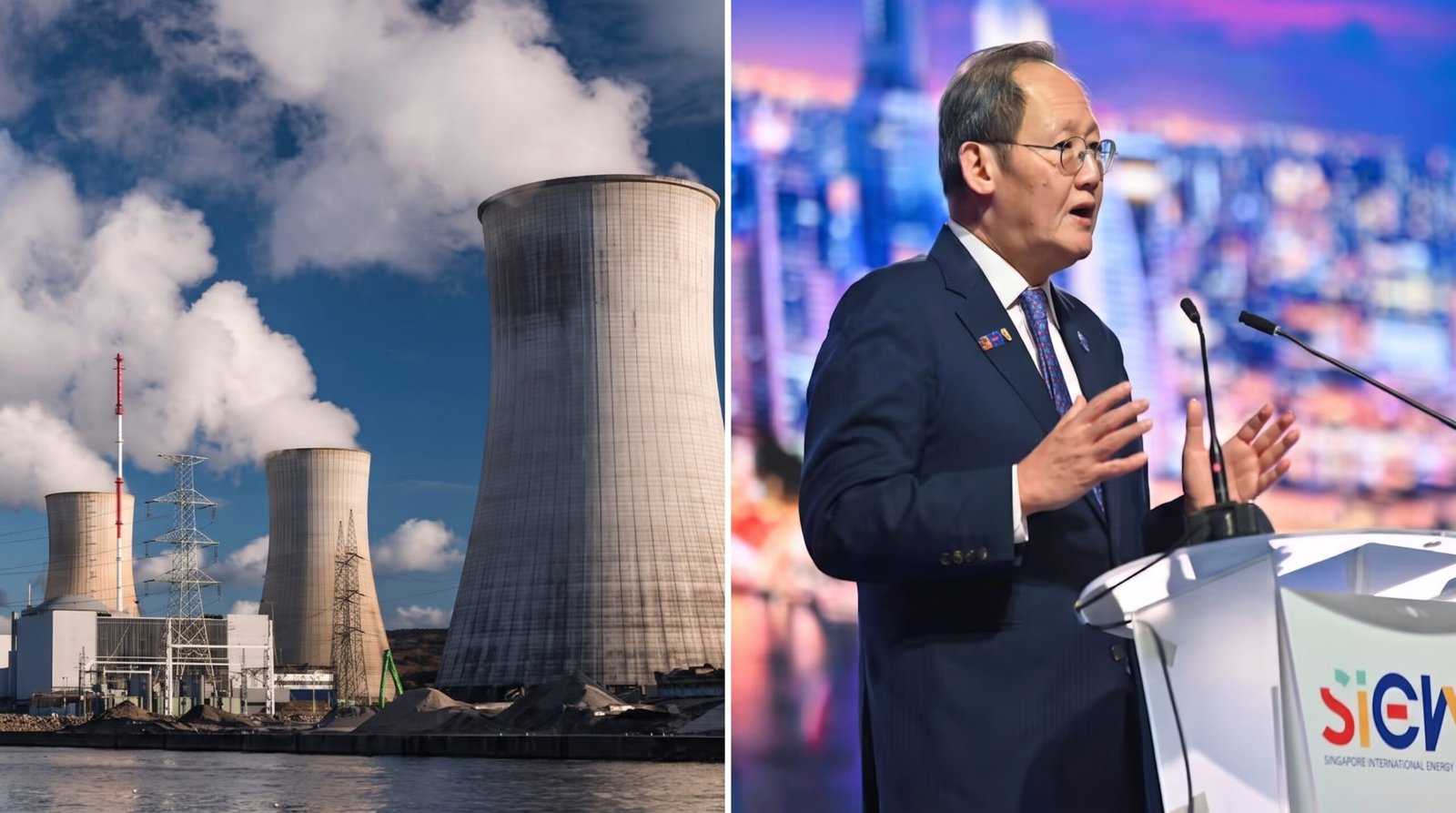
SINGAPORE – Singapore is preparing a major overhaul of its energy infrastructure as global supply disruptions, rising electricity demand, and geopolitical tensions threaten the stability of its energy supplies. Minister for Energy, Trade and Industry Tan See Leng has announced plans to introduce five new power plants, expand regional electricity connections, and explore alternative energy sources to strengthen the country’s long-term energy security. According to Mothership, the announcements were made on October 26, 2026, during Tan’s Singapore Energy Lecture at the Singapore International Energy Week conference.
The five new power plants are expected to enter operation between 2026 and 2031, increasing Singapore’s electricity generation capacity by 26% from its current level of approximately 12 gigawatts. The government will also build seven new electrical substations by 2031 and expand its underground transmission cable network to accommodate growing demand from residential areas, industrial facilities, and electricity-intensive businesses such as semiconductor manufacturers and data centres.
Tan warned that international developments could make energy supplies increasingly unpredictable. Countries facing shortages may prioritise domestic consumption over exports, a trend he described as resource nationalism. Recent disruptions to global energy flows, alongside Indonesia’s reduction of natural gas exports to Singapore, have highlighted the importance of diversifying supply sources.
Read More: Car Crashes Into Katong Home, Collapsing Part of Its Wall
“Singapore will not be able to insulate ourselves from global or regional shocks,” Tan said, stressing that the country must prepare for unexpected disruptions. He also urged residents to “keep calm and carry on”, noting that Singapore’s existing safeguards had helped prevent fuel shortages and power outages despite recent pressures.
One significant development involves Saudi Arabia and Singapore’s intention to establish an arrangement allowing Saudi crude oil to be stored at the Jurong Rock Caverns from the second half of 2027. The agreement is expected to strengthen supply-chain resilience while supporting Singapore’s strategic role as a regional energy and trading hub. Saudi Aramco will work with Singapore’s Energy Market Authority and JTC Corporation to advance negotiations.
Beyond conventional energy sources, Singapore is accelerating efforts to develop cleaner alternatives. The government aims to deploy three gigawatt-peak of solar capacity by 2030, with a longer-term target of four gigawatt-peak by 2035. A new S$75 million funding initiative will support research into low-carbon technologies, while officials are examining the potential of hydrogen, geothermal energy, and nuclear power.
Geothermal energy has attracted particular interest following preliminary research suggesting that Singapore’s underground resources could offer substantial technical potential. However, Tan cautioned that extracting heat from several kilometres beneath the surface would depend on drilling technology, costs, and safety considerations. Nuclear energy is also under assessment, with new programmes planned to develop local expertise before any decision on deployment.
Read More: Volvo Cars Cuts 2,500 Jobs After $564 Million Q3 Loss
Regional cooperation represents another pillar of Singapore’s strategy. The government has conditionally approved Sembcorp Utilities to import up to 1.3 gigawatts of renewable electricity from and through Peninsular Malaysia, potentially including Malaysian solar power and Vietnamese offshore wind energy.
Nevertheless, the transition will require careful financial planning. Tan emphasised that cleaner energy must not become an excessive burden on households and businesses, pledging continued support through utility rebates and energy-efficiency grants.
As Singapore prepares for an increasingly uncertain energy landscape, its next challenge will be turning ambitious infrastructure plans and emerging technologies into dependable, affordable electricity for future generations.