SINGAPORE – Singapore’s investment in solar energy has delivered a financial cushion during a turbulent year for global energy markets, helping the country avoid an estimated US$97 million (S$123.8 million) in higher fossil-fuel import costs over five months in 2026.
According to The Straits Times, the figure comes from a report by the Finland-based Centre for Research on Energy and Clean Air (CREA), which examined the economic impact of the energy price surge following disruptions linked to the Strait of Hormuz. Almost all of Singapore’s estimated savings came from reducing the amount of natural gas needed for electricity generation. Around US$40 million was attributed specifically to avoiding the additional price premium caused by the crisis.
Isaac Levi, CREA’s Europe-Russia policy and energy analysis team lead, told The Straits Times that the savings “demonstrate the benefits of Singapore’s solar expansion programme.” However, he stressed that the figures are modelled estimates based on wholesale energy prices.
The savings also highlight Singapore’s vulnerability to international fuel markets. More than 95 per cent of the country’s electricity is generated using imported natural gas, while Asian liquefied natural gas prices averaged 75 per cent above pre-war expectations during the first six months of the conflict. Overall, Singapore incurred an estimated US$8.1 billion in additional gross fossil-fuel costs during that period.
Read More: Singapore Haze Returns as PSI Hits Unhealthy Level Again
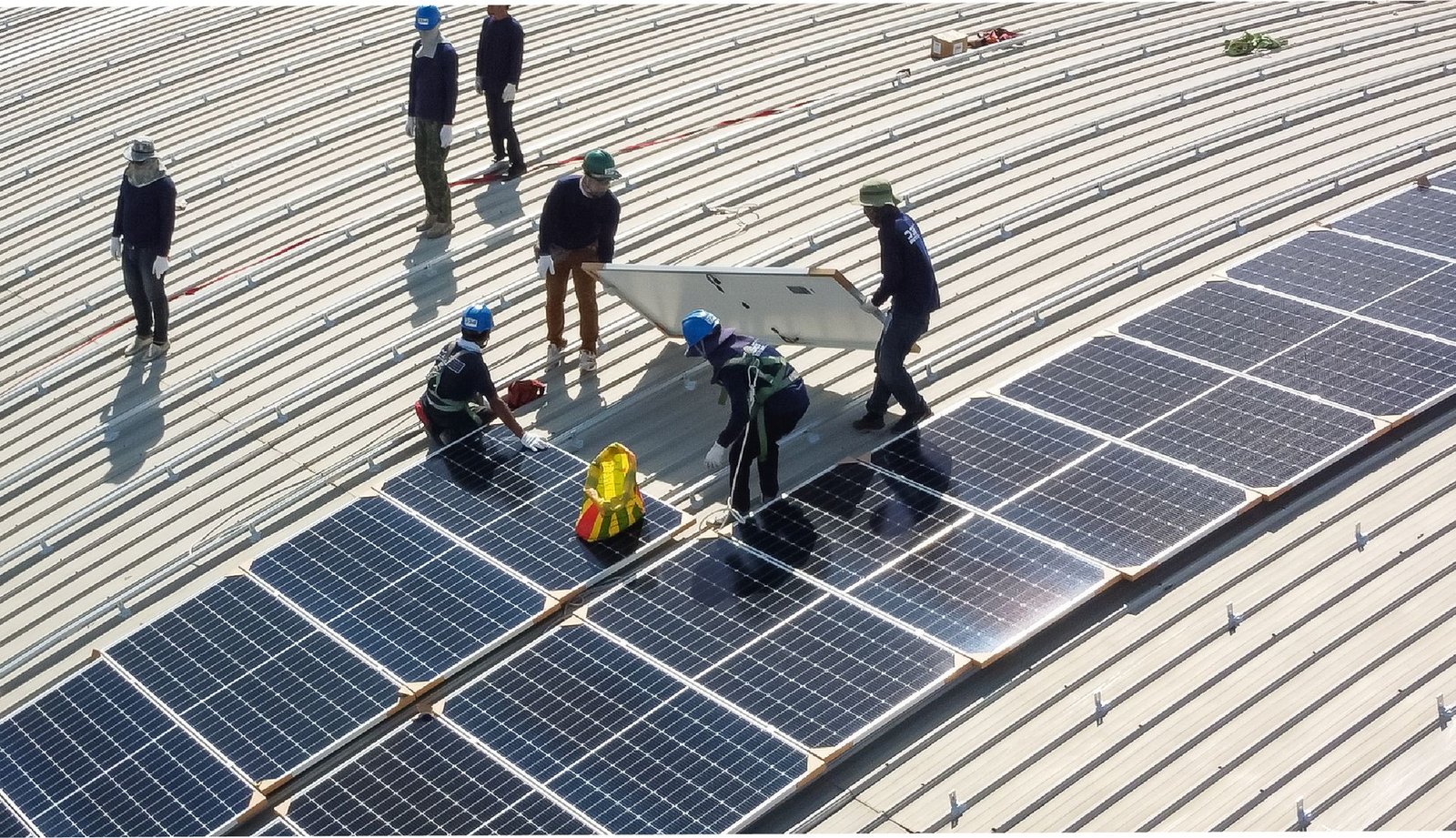
Singapore has been expanding solar capacity since 2020, installing panels across rooftops, reservoirs and other available surfaces. After achieving its earlier 2GWp target in 2025, the government raised its goal to 3GWp by 2030. Solar currently supplies only about 2 per cent of electricity demand, and reaching the new target would bring that figure to roughly 4 per cent.
Levi suggested that further investment in rooftop and floating solar, battery storage, energy efficiency and regional electricity networks could provide additional protection against global fuel-price shocks. “Regional power trading could give Singapore access to lower-cost renewable electricity from neighbouring countries when global LNG prices spike,” he said.
The Energy Market Authority also pointed to wider renewable options, including hydropower, solar and wind, while exploring geothermal energy, advanced nuclear technologies, hydrogen and ammonia.
Interestingly, Singapore’s role as a major refining and transhipment hub also softened the impact of higher fuel prices. Although the country paid more for imported crude oil and LNG, higher-value fuel exports generated additional revenue, illustrating how the energy shock affected Singapore far beyond electricity generation alone.