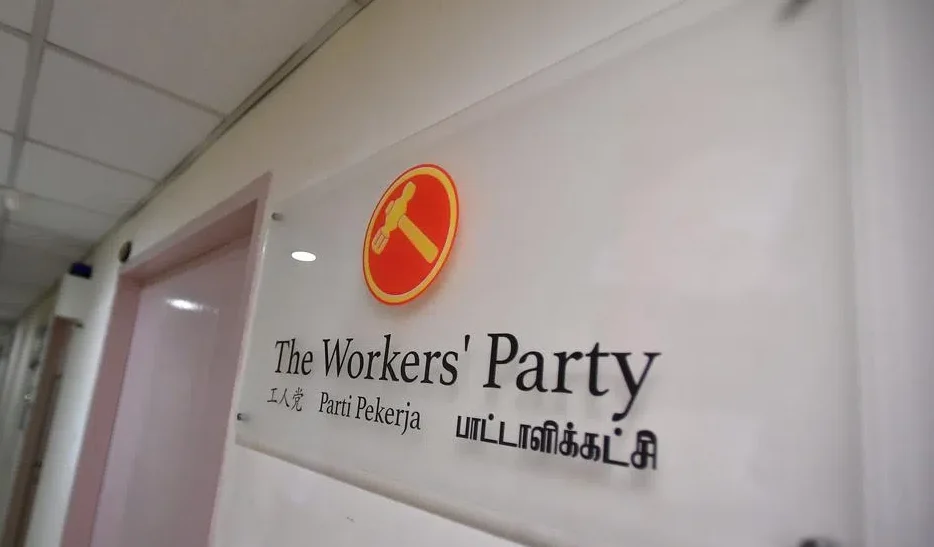
SINGAPORE – Singapore’s Workers’ Party (WP) is putting forward a parliamentary motion calling for an economic future that benefits all Singaporeans, opening a fresh debate over how the country can balance growth, competitiveness, and the rising cost of living. According to Channel News Asia (CNA), the motion is expected to examine how Singapore can build a more inclusive economy while ensuring that ordinary workers and households are not left behind as the country faces rapid technological and global economic changes.
The motion comes as Singapore continues to navigate a challenging economic environment shaped by international uncertainty, technological disruption, demographic changes, and intensifying competition for investment and skilled talent. The WP argues that economic progress should not be measured solely by headline growth figures but also by whether Singaporeans are able to share meaningfully in the country’s prosperity.
According to CNA, the opposition party intends to raise concerns about wages, job security, affordability, and opportunities for workers. The discussion is also expected to address how government policies can help Singaporeans adapt to changes brought by automation and artificial intelligence, while strengthening social mobility and ensuring that younger generations have meaningful opportunities to build their careers.
WP secretary-general Pritam Singh said the party wants the motion to encourage a broader conversation about the country’s economic direction. He argued that Singapore’s economic strategy should focus not only on attracting businesses and investment but also on strengthening the position of local workers and families.
Read More: Three Singapore Teens Detained Over Planned School Attacks
The party is expected to propose measures aimed at improving economic resilience while ensuring that businesses remain competitive. These could include stronger support for workers undergoing career transitions, better opportunities for skills development, and policies designed to help households cope with rising expenses.
The debate also comes at a time when Singapore is positioning itself for emerging industries, including artificial intelligence, advanced manufacturing, digital services, and the green economy. While these sectors could generate new opportunities, they may also transform traditional jobs and create new demands for workers to continuously upgrade their skills.
CNA reported that the WP’s motion reflects its broader effort to contribute alternative perspectives in Parliament while holding the government accountable for economic policies. The party’s proposal is likely to trigger discussion over how Singapore can remain an attractive global business hub without allowing economic gains to become concentrated among a limited segment of society.
As Singapore looks toward the next stage of its economic development, the parliamentary debate could provide an important platform for examining what inclusive growth should look like in practice. The discussion places workers, households, businesses, and policymakers at the center of a larger question: how can Singapore remain economically competitive while ensuring that prosperity continues to reach people across society?