Singapore’s proposed Long Island development is moving from broad discussions about coastal protection towards more detailed public engagement and preparatory works. From January 2027, government agencies plan to invite residents and stakeholders to consider how the future waterfront could be used, while initial works begin in the waters west of Bedok Jetty. The development matters because it links several long-term challenges: sea-level rise, water security, land scarcity and public access to the coast.
In a 17 November announcement, the Urban Redevelopment Authority (URA) said the next consultation phase will focus on two themes: recreation and connectivity. These may sound like questions about parks and cycle paths, but they sit within a much bigger programme to defend Singapore’s low-lying East Coast against rising seas.
Why Long Island is more than a new waterfront
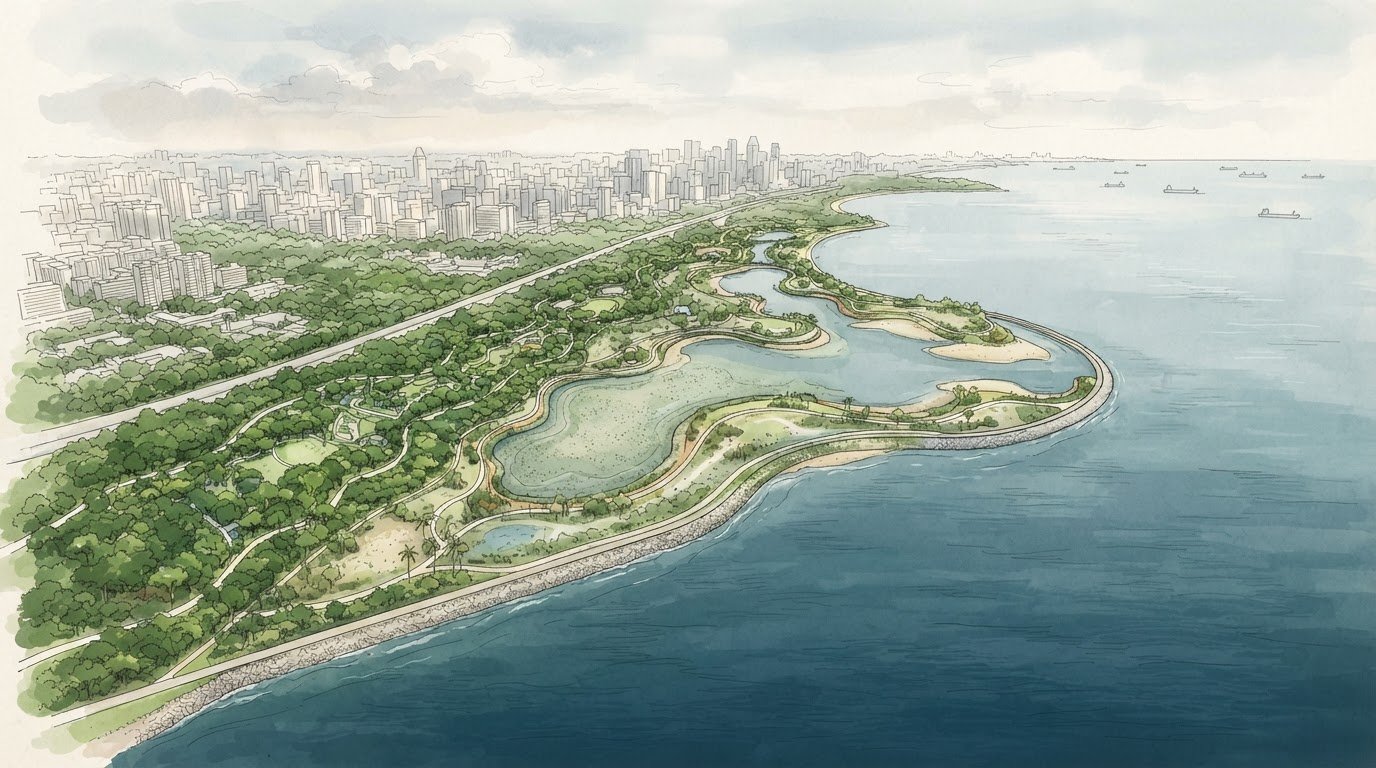
URA describes Long Island as an integrated coastal protection concept involving approximately 800 hectares of reclaimed land. It could create a new reservoir, increase flood resilience and provide future development space. The authority also envisages roughly 20 kilometres of new waterfront parks as part of a wider continuous network of accessible coastal spaces.
Those numbers describe the project’s broad planning ambitions, not a finished master plan. The eventual layout, land uses, waterfront design and environmental mitigation measures will depend on further technical investigations and public feedback. It would therefore be premature to advertise a particular island shape, beach or housing district as confirmed.
Coastal protection projects have to deal with more than high water levels. They must consider drainage, water quality, recreational activity, existing ecosystems and the ways people move around the city. A reservoir behind a reclaimed coastal edge, for example, could contribute to water resilience while creating decisions about boating, access and the relationship with existing parks.
What happens from January
URA says focus group discussions will begin in January 2027. Participants will consider how the area might complement East Coast Park and how it should connect to eastern neighbourhoods and the rest of Singapore. The agency says more than 15,000 people have already provided feedback through earlier engagement exercises, including ideas for beaches, nature-based solutions, watersports and green routes.
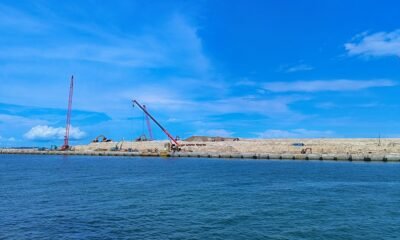
Preparatory works will also begin progressively west of Bedok Jetty. According to URA, these include removing seabed obstructions, building temporary sand bunds and undertaking sand infilling. Importantly, the footprint of these preliminary activities is not a map of the final reclaimed land. Main reclamation is a later stage, conditional on technical studies, engagement and identified mitigation measures.
A second phase of preparatory activity east of Bedok Jetty is intended to start only after major international sporting events that use nearby waters, including the 2029 Southeast Asian Games, have concluded. That sequencing shows why the project cannot be understood as one uninterrupted construction operation.
The trade-offs residents should watch
For households, businesses and people who use East Coast Park, the key questions are practical. Will construction temporarily alter access to watersports or familiar waterfront areas? How will the new coastline affect the environment? Which transport connections could make additional parkland genuinely accessible rather than merely visible on a planning map?
Government information published so far establishes an intention to study and manage these impacts; it does not answer every question. The process should be evaluated through subsequent environmental findings, specific access plans and clear construction notices, not simply through attractive images of future beaches.
Long Island may ultimately become one of Singapore’s most consequential adaptation projects. Its immediate news value is more modest but important: people now have a defined opportunity to influence how coastal protection could also serve everyday life. The choices made during consultation may shape what a resilient, usable coastline looks like for decades.
Sources and further reading
Sources: URA announcement, 17 November 2026; URA: 2027 engagement and work phases; URA project overview.