SINGAPORE,- Singapore’s National Environment Agency (NEA) is seeking public feedback on plans to redevelop Sarimbun Recycling Park, a 34-hectare site in Lim Chu Kang where future industrial use must be weighed against ecological and engineering risks. The consultation runs until 16 December, and the government has not yet given final approval for redevelopment. The proposal is significant because Singapore’s limited land area makes it difficult to meet recycling needs while preserving interconnected habitats.
The former Lim Chu Kang Dumping Ground operated from 1976 until 1992, after which the land was used for recycling activities beginning in 1995. Businesses processed construction debris, timber, plastics and horticultural waste before moving to an interim location at Tuas South in 2024. NEA’s project overview notes that a feasibility study is being undertaken.
Why environmental groups are paying attention
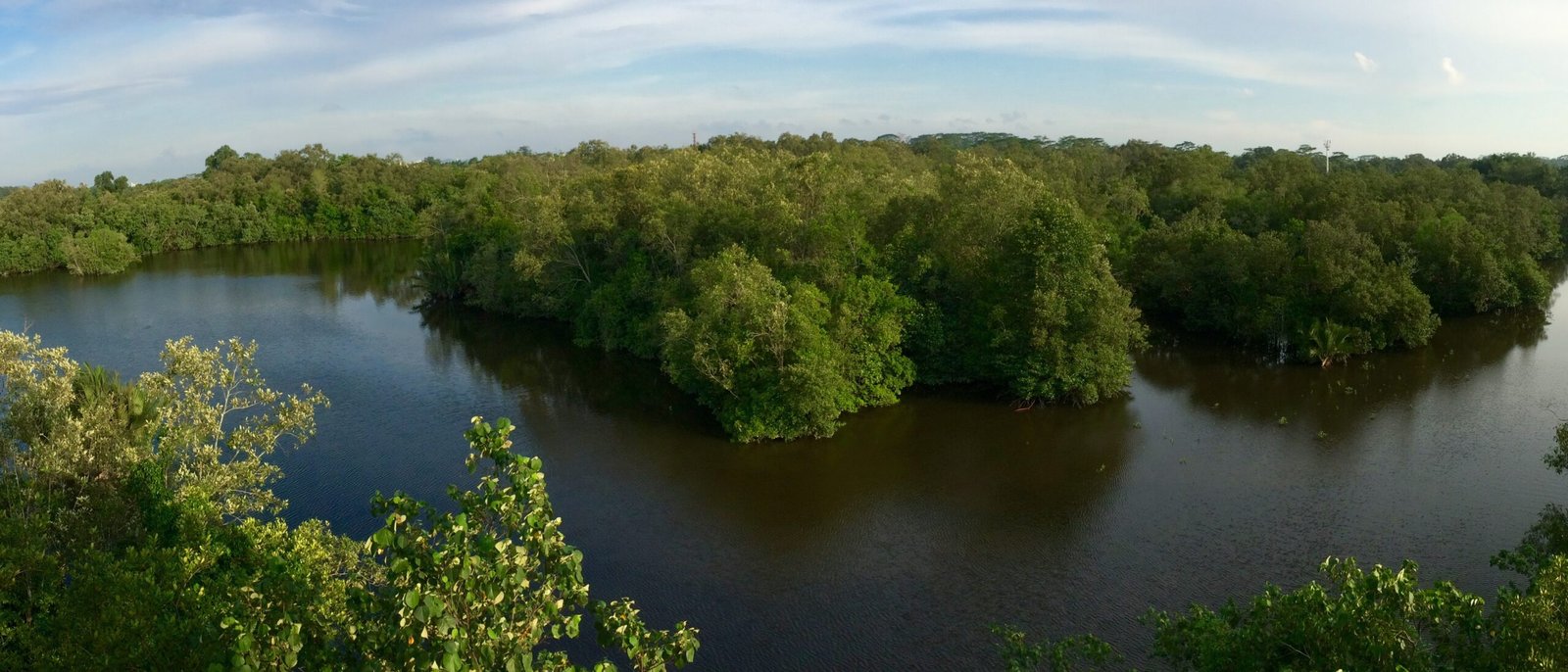
The site has greenery that links Sungei Buloh Wetland Reserve and the Western Water Catchment. Such habitat connections allow wildlife to move between areas in search of food, shelter and breeding sites. Protecting individual trees or scattered patches of green space cannot always replace the ecological function of a continuous corridor.
Nature Society Singapore has argued for retaining connected forested spaces, streams and other habitats. As CNA reported on 20 November, the society participated in discussions relating to the project’s environmental assessment, which examined biodiversity and other impacts.
The study found that many effects could be reduced to moderate or lower levels if mitigation steps were implemented. However, some impacts could remain major even after safeguards. This is an important qualification: an environmental assessment does not necessarily conclude that redevelopment would be harmless.
Why building over a former landfill is difficult
Waste buried decades ago can continue decomposing. Rainwater moving through it may create contaminated liquid, called leachate, while underground gas and uneven settlement complicate construction. Depending on the proposed use, engineers may need special foundations, drainage systems, liners, gas management and long-term monitoring.
These are not merely initial construction costs. If the ground continues settling or pollutants move through soil and water, the site may require inspection and maintenance well into its operational life. The appropriate redevelopment design should therefore be judged against long-term risk, not only its capacity to accommodate more recycling machinery.
What the relocation means for industry
Recycling operators have already spent money moving equipment and preparing their interim sites. Some businesses argue that short land leases make it harder to recover investment in heavy machinery or improve processing capacity. A site offering more space but little certainty may not attract the investment that Singapore needs to strengthen recycling.
This creates a three-way challenge: authorities want efficient land use, operators want commercially viable facilities, and conservation groups want ecological connections preserved. An acceptable outcome needs credible protections and realistic terms for industry rather than simply maximising the amount of land available for construction.
There are also public-interest questions about transparency. Residents and interested organisations should be able to understand what environmental impacts remain after mitigation, which activities are proposed and how regulators will verify that commitments are met. The quality of monitoring may matter as much as the original project design.
NEA will consider feedback before seeking government approval. No final design or start of construction should be presented as settled at this stage. Sarimbun is a test of whether land-constrained Singapore can renew industrial infrastructure without treating biodiversity and long-term landfill safety as secondary concerns.