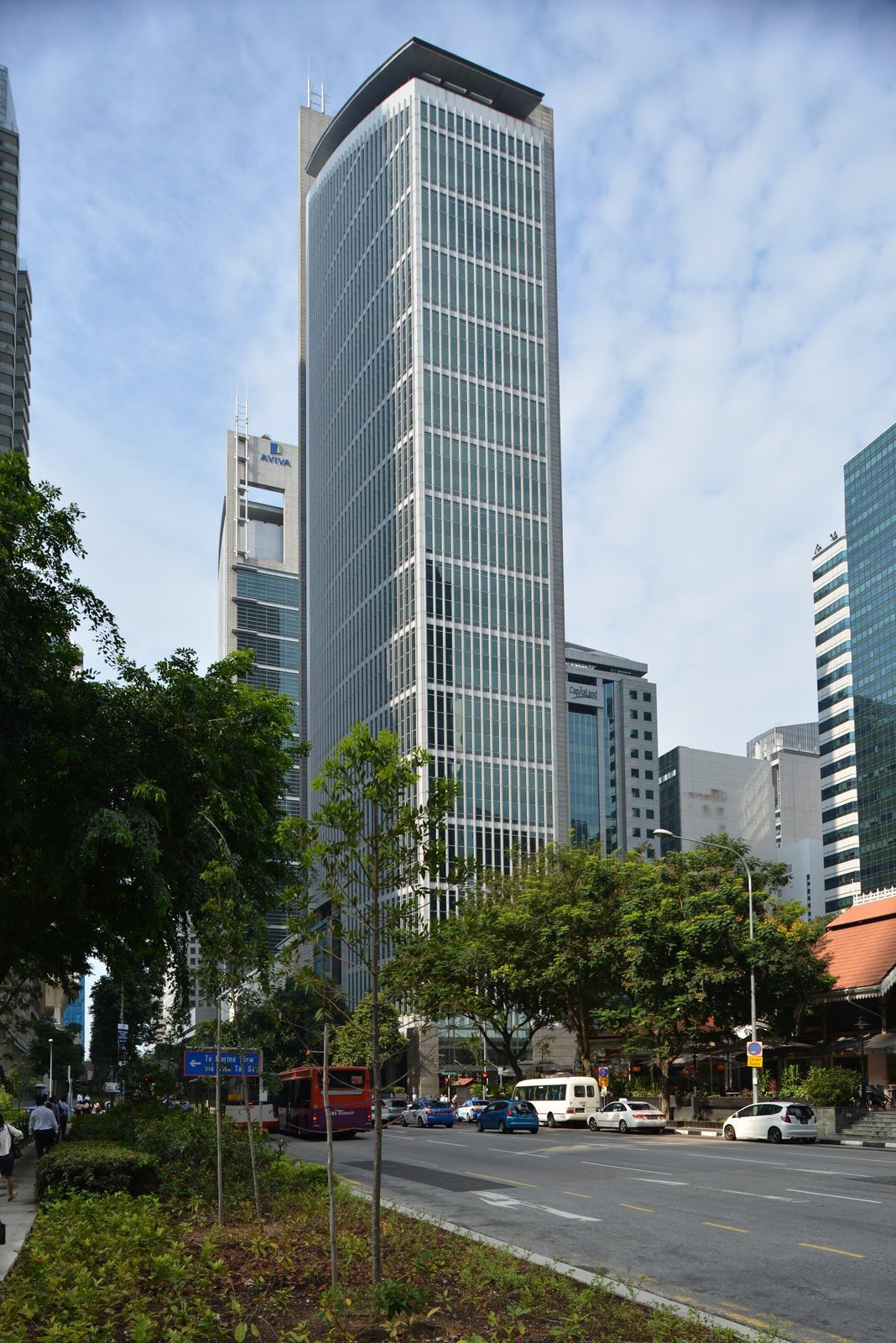
BUSINESS,- Singapore shares ended sharply lower on Friday, 20 November, with the Straits Times Index declining 2.1 per cent as regional markets absorbed losses on Wall Street and concerns about expensive technology valuations. The benchmark fell 104.32 points to close at 4,975.17, according to The Business Times. The move shows how international shifts in risk appetite can affect a market even when most listed companies have little direct involvement in AI model development.
Twenty-six of the index’s 30 constituents ended lower and the remaining four finished flat. Such breadth suggests a wider reassessment of risk rather than weakness confined to one company. However, a single day’s decline does not establish the start of a sustained bear market.
Why the US technology market matters
Investors have priced strong future growth into many AI-related companies. When doubts arise about spending, returns or financing costs, prices can change quickly. The reaction may spread into Asia through global investment funds, currency movements and expectations about technology demand.
The huge public debut of Anthropic did not prevent broader market weakness. A successful listing and falling technology shares can occur together because they measure different things. One reflects appetite for a specific company and the terms of its offering, while the other reflects the valuation of a much wider set of businesses.
What interest rates add to the picture
Higher interest rates can make borrowing more expensive for companies and reduce the present value investors assign to expected future earnings. Market participants were increasingly focused on the possibility of further US monetary tightening, which can influence regional capital flows.
This does not mean Singapore’s central bank follows US rate policy automatically. The Monetary Authority of Singapore conducts monetary policy primarily through the exchange rate. Yet international funding conditions and investor expectations still affect the local market.
Why Singapore companies are not all affected equally
The Straits Times Index includes banks, property-related businesses, telecommunications companies and other established firms. Their exposure to interest rates, economic growth and global trade differs. A bank may benefit from some lending conditions while facing higher credit risk; a property company may be sensitive to financing costs and demand.
Market-wide selling can temporarily cause share prices to move together even when their underlying business prospects differ. Investors should therefore examine earnings, balance sheets and valuations rather than assume every stock faces the same commercial challenge.
The decline also reflects concerns raised by institutions such as the European Central Bank, which recently warned that ambitious AI earnings expectations could lead to abrupt repricing. That is a risk assessment, not a prediction of precisely when a market downturn will occur.
What investors should monitor next
The direction of US interest rates, technology company capital spending, regional economic data and global geopolitical conditions may all influence sentiment. A daily index move should be interpreted alongside those developments.
For Singapore savers and businesses, the more useful lesson is that international conditions can change the price of financial assets quickly. Investors should consider diversification, time horizons and financial capacity rather than react to one volatile trading session as if it settled the economic outlook.