BUSINESS,- US semiconductor equipment company KLA opened an expansion at its Ang Mo Kio manufacturing complex on 20 November, with at least 400 additional jobs expected. The 210,000-square-foot facility takes the company’s footprint in Singapore to around 420,000 square feet and makes the site its largest manufacturing location worldwide. The development reflects demand for increasingly precise equipment used to make advanced chips.
According to CNA’s coverage of the opening, the expansion will accelerate production of equipment supporting advanced packaging, silicon photonics and artificial intelligence applications. These are areas where small manufacturing defects can affect the performance and cost of entire chips.
What a chip-equipment maker actually does
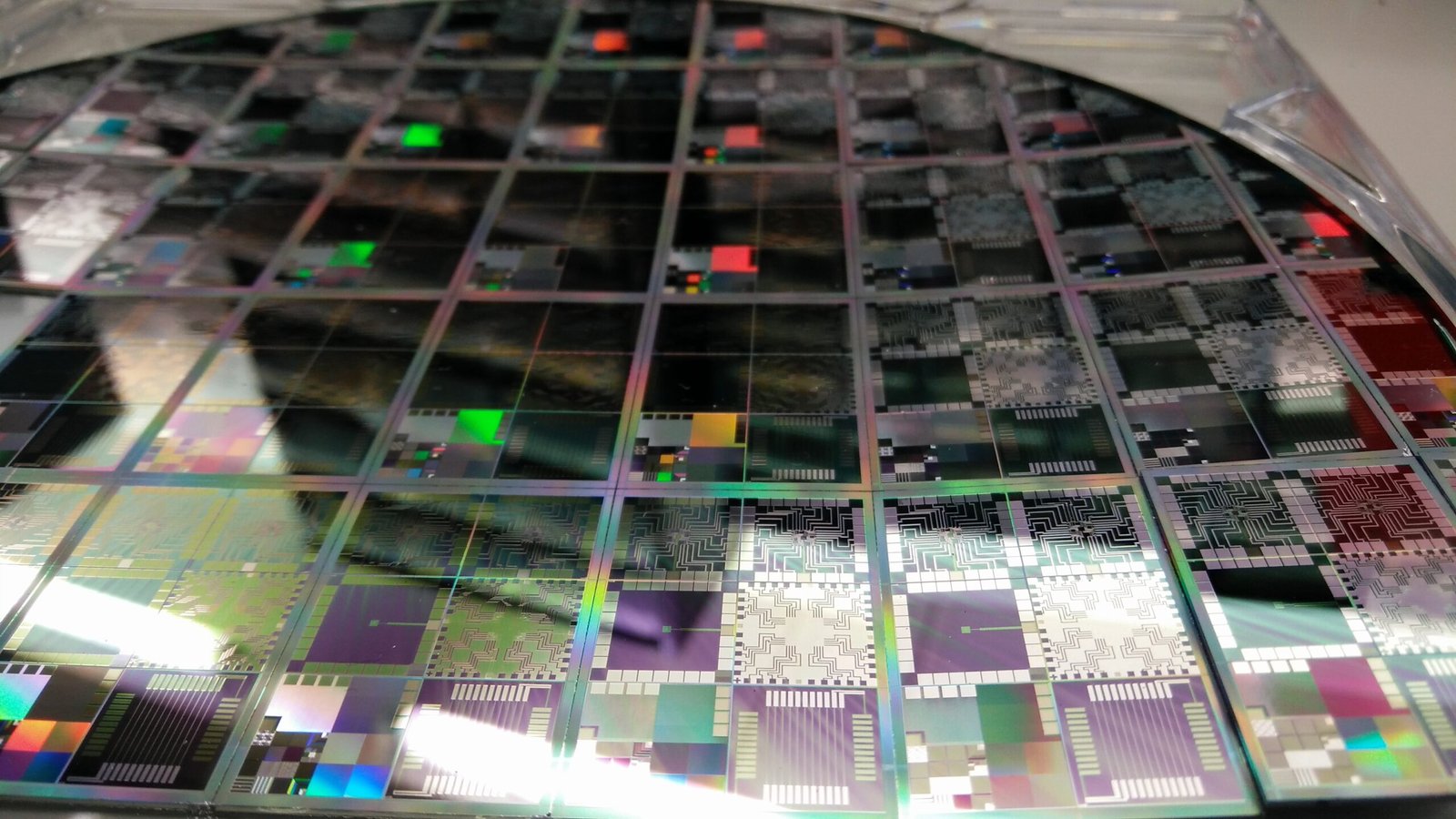
Semiconductor businesses are often associated with brands designing processors, but factories also depend on specialist machines that inspect, measure and control production. Equipment that detects microscopic defects can help chipmakers improve yield, meaning the proportion of manufactured devices that meet specifications.
As chips become more complex, improving yield can save substantial amounts of time and materials. Companies need this equipment even when they do not manufacture their own branded processors. That gives suppliers such as KLA a role in the wider semiconductor investment cycle.
KLA’s presence in Singapore dates back decades, and the company employs more than 2,200 people locally. The new roles are expected to include mechanical engineering, materials evaluation and product testing. These positions require specialised capabilities, so the economic value depends on skills development as well as headcount.
How much of the growth is confirmed?
The new building has opened and the 400-job plan is associated with this expansion. A further phase has been outlined, but it depends on land arrangements and approvals. Some reports have referred to about 1,000 potential jobs across the longer-term programme; that figure should not be confused with 1,000 positions already created.
Singapore’s Economic Development Board says the semiconductor sector accounts for close to 6 per cent of national GDP and employs more than 35,000 people. Its ability to support high-precision manufacturing is important as multinational companies choose locations for resilient production networks.
Why export controls still matter
Strong AI investment is supporting demand for chips, but the industry faces geopolitical uncertainty. US restrictions on advanced semiconductors and certain technology transfers can affect supply arrangements for companies operating in Asia. Equipment manufacturers and their customers need to navigate product-specific rules and licensing requirements.
The expansion also creates opportunities for local suppliers, training institutions and engineers. The size of those benefits will depend on procurement choices and the pace at which KLA adds staff and production.
The Business Times report noted the company’s plans for additional growth, alongside the conditions still attached to a future expansion. Investors should evaluate committed projects separately from potential investments.
For Singapore, the key significance is its position in a specialised industrial ecosystem rather than simply another factory opening. The next test is whether production, recruitment and local supplier development keep pace with the company’s ambitions as the semiconductor cycle evolves.