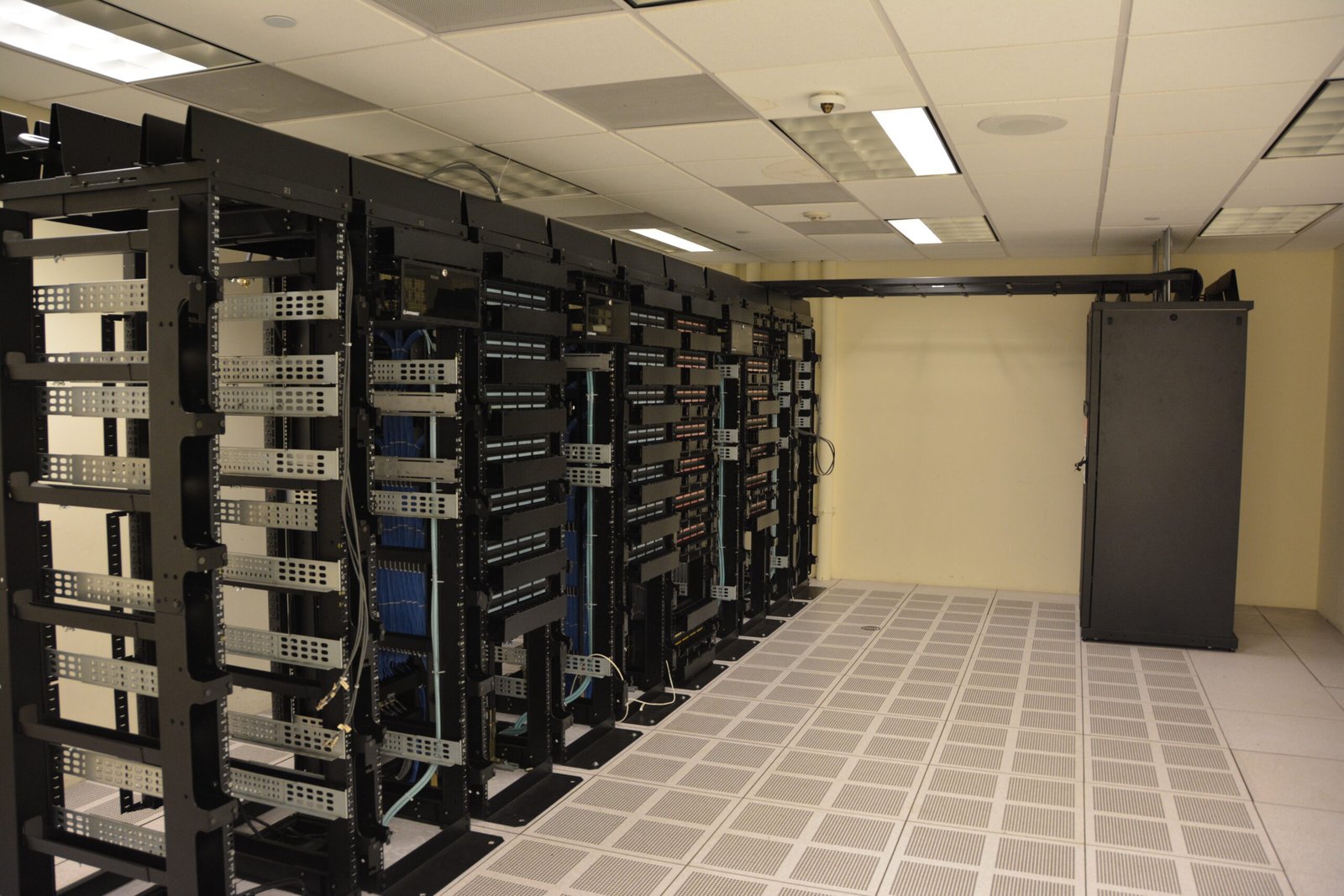
BUSINESS,- Johor’s government says its 19 operating data centres use 21.277 million litres of treated water per day, equivalent to just 1.05 per cent of the Malaysian state’s current treated-water output. The figures, disclosed to the state assembly on 20 November, challenge claims that data centres are the primary cause of recent water shortages. They also reveal the much larger supply these businesses initially requested and why regulators remain cautious about future growth.
State executive councillor Mohamad Fazli Mohamad Salleh told lawmakers that data centres had requested a combined 73.088 million litres per day, but approvals totalled 21.277 million litres. According to The Star’s report, average state production is about 2,034 million litres a day, including 904 million for domestic use and 635 million for industry.
Why the headline percentage needs context
One per cent may sound small relative to a state’s total output, but water availability differs between locations and seasons. A centre near an abundant supply may pose less pressure than the same facility in an area with constrained infrastructure. Network capacity and the timing of demand therefore matter alongside statewide totals.
The authorities said nine of the operating centres use cooling arrangements designed to avoid drawing water for the cooling process. Technologies can include air-cooled chillers or certain liquid-cooling systems, although the broader facility may still have other water needs. Claims of zero-water cooling should not be read as evidence of zero water use throughout every operation.
Is drought being caused by data centres?
The state government has attributed falling dam levels primarily to drought and El Niño-related conditions and said the affected dams do not supply the data centres in question. The Straits Times reported that Johor’s authorities are nonetheless reviewing new project demands to protect domestic supplies.
That distinction is central to responsible analysis. A large sector can increase long-term demand without being the immediate cause of a particular shortage. Establishing a causal link requires evidence about connected water networks, consumption locations and weather conditions, not simply a comparison between the number of data centres and dam levels.
Why AI investment is changing infrastructure planning
Johor is attracting data centres as cloud computing and AI demand grow. Such facilities can bring construction contracts and investment, but their operations also require dependable electricity, network connectivity and sometimes large volumes of cooling water.
Companies choosing a location should account for infrastructure constraints early. Building near adequate power and water supplies reduces risks of delays, public opposition or costly redesign. Water efficiency could become a competitive factor in an industry increasingly scrutinised for environmental impact.
The state has established a coordination committee to review proposed data centres and assess resource requirements. A project’s approval should be understood as subject to capacity and technical conditions, not a guarantee of unlimited supply as computing demands expand.
What it means for Singapore and ASEAN
Singapore-linked investors and operators may use Johor as part of a regional computing network. Infrastructure decisions across the border can influence costs and the location of future investment, but economic opportunities must be balanced with public resources.
Future reports should distinguish approved capacity, actual consumption and forecast demand. The latest figures challenge oversimplified narratives, while leaving a legitimate question unanswered: whether water and energy infrastructure can continue supporting rapid growth without disadvantaging households and other industries.