INTERNATIONAL,- A fire at a candy factory in Indonesia’s Banten province has killed at least three workers and left dozens unaccounted for, with emergency teams struggling to search the damaged building. The blaze began on Saturday evening at a plant operated by PT Fonusa Agung Mulia in Serang district, near Jakarta. The tragedy raises urgent questions about evacuation, fire prevention and accountability in industrial workplaces.
The factory manufactures Milkita milk-based sweets and other products sold domestically and overseas. Associated Press reported that the fire spread through a three-storey facility while hundreds of people were present at the wider factory compound. By Sunday, some workers had returned home and others were receiving medical attention, but the whereabouts of many remained uncertain.
Why missing-person counts may change
Early reports gave different figures for the number of workers not yet accounted for, reflecting the difficulty of checking attendance during a chaotic evacuation. A missing person has not necessarily died, and media reports must avoid treating preliminary numbers as a final death toll. Rescue authorities are continuing to verify identities and locations.
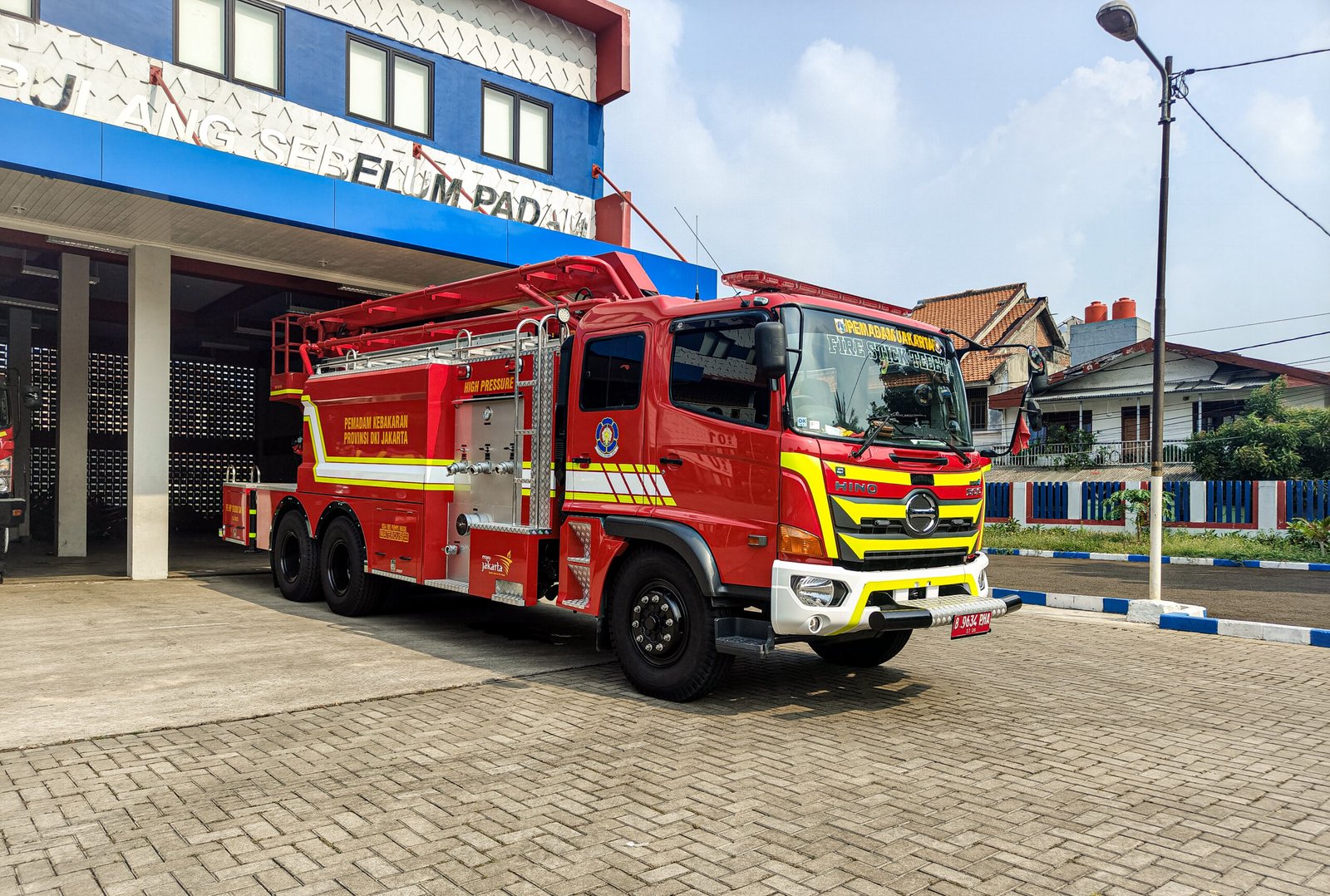
Some sections of the structure collapsed, complicating access. Heat and materials inside the production area created concern about reignition. Firefighters used multiple vehicles and continued cooling operations so that search teams could work more safely.
Families need accurate information as quickly as possible, but identifying victims may require careful forensic work. Authorities reportedly sought DNA samples from relatives because visual identification was difficult. That process can be distressing, yet it is essential to avoid misidentifying people.
What is known about the cause?
The cause had not been established at the time of the initial reports. Some survivors described the fire starting near equipment in an upper part of the building, but their accounts are not a completed technical investigation. Determining ignition source, how flames spread and whether fire protection worked as intended requires forensic examination.
The company said it had conducted evacuation drills and installed fire-safety systems. That is a statement about its procedures, not independent confirmation that all equipment functioned adequately during the incident. Investigators should examine records, building layout and staff accounts before reaching conclusions.
Why industrial safety matters across Asia
Food factories can contain combustible packaging, electrical equipment, production machinery and storage areas. Risk varies by process, but effective safety depends on maintenance, clear exits, appropriate fire suppression and worker training. Emergency plans need to account for staff on different shifts and for people working in enclosed sections of buildings.
The Al Jazeera account confirmed the scale of the search and noted that the cause remained under investigation. Future questions include whether workers could evacuate promptly and how authorities communicated with families.
What happens next?
The immediate priorities are search and rescue, medical care and identification of those missing. Longer-term steps should include an independent investigation, transparent findings and any improvements needed across comparable facilities.
Manufacturing exports support jobs and trade, but growth cannot be sustained if workers face preventable danger. The fire is a test of how quickly emergency responders can protect lives and how effectively authorities can establish what failed — without rushing to assign blame before the evidence is complete.