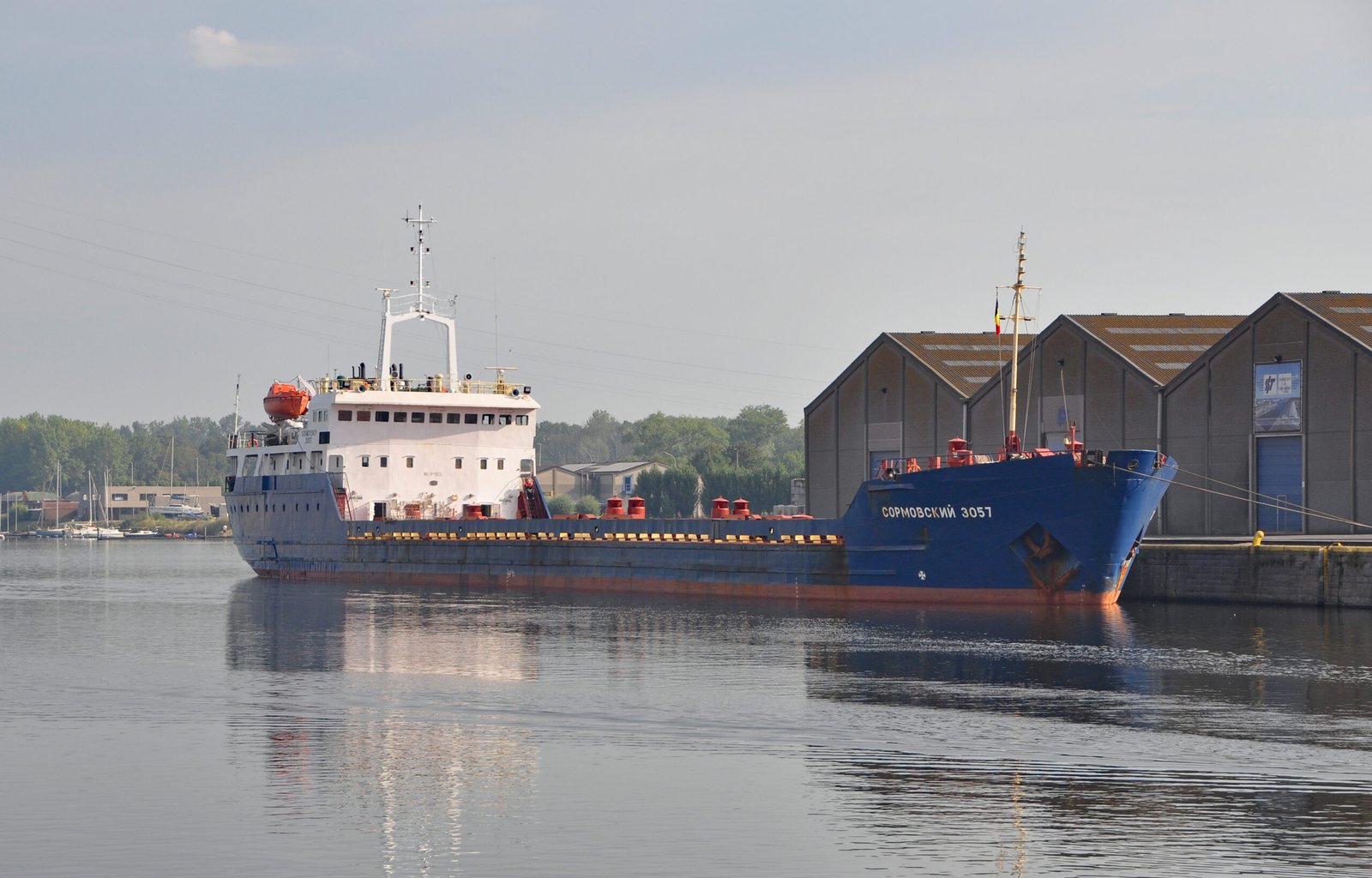
INTERNATIONAL,- Finnish authorities have been fighting a persistent fire aboard a Russian cargo ship damaged by drones in the Baltic Sea, after its crew abandoned the vessel and it drifted into Finnish waters. The Sparta II was struck on Saturday, 21 November, while travelling towards the Russian exclave of Kaliningrad. The incident underlines the danger of conflict-related attacks spreading into shipping routes used by states not directly at war.
According to Reuters reporting from Helsinki, 16 crew members were evacuated safely and transferred to another Russian vessel. Finland’s coast guard used water cannons to cool the ship and contain flames among cargo containers. The vessel remained anchored in Finnish waters as emergency work continued on Sunday.
Who carried out the attack?
Finnish military officials said Ukraine was likely responsible, but they had not established definitive attribution. That distinction matters. The fact that a Russian vessel was hit by drones does not independently prove which actor launched them or what specific cargo was being targeted.
The ship is operated by a logistics company linked to Russia’s defence ministry, according to public company information, and is subject to US sanctions. Those connections are relevant to possible military significance, but they do not eliminate the need to investigate the attack’s legality and consequences.
Why Finland became involved
The reported strike occurred in international waters before the damaged ship moved into Finnish waters. Once a burning vessel enters a country’s area of responsibility, authorities face immediate questions about protecting lives, preventing pollution and keeping nearby shipping safe.
Containerised cargo may include materials that create different fire risks. Emergency responders need to understand what is aboard and whether firefighting water or damaged fuel systems could affect the marine environment. A vessel fire can become an environmental incident even when nobody aboard is injured.
Finnish authorities have a strong interest in documenting the ship’s status and ensuring that rescue and inspection procedures do not themselves become a source of military escalation.
Why the Baltic is sensitive
The Gulf of Finland is a narrow waterway connecting Russia’s Baltic ports with wider sea routes. Military drones aimed at targets near the coastline can pass close to the airspace or waters of NATO members. Previous incidents have heightened concern about navigation and the safety of merchant traffic.
The maritime publication gCaptain carried the Reuters account of the firefighting effort and the Finnish assessment. Neighbouring countries are monitoring whether similar incidents could recur.
An attack on a vessel does not automatically establish that a NATO member has been attacked, even if the ship later drifts into its waters. Any collective-defence response involves separate political and legal assessments. Policymakers must distinguish maritime rescue from the underlying conflict.
What shipping businesses should watch
Operators may review routes, insurance arrangements and procedures for responding to suspected drones. Costs could rise if threats become frequent, although one incident alone does not demonstrate a lasting change in Baltic freight rates.
The immediate priorities are extinguishing the fire, verifying cargo and environmental risks, and establishing the circumstances of the strike. For the wider region, the incident is a reminder that military activity can expose civilian maritime services to disruption far beyond the intended target.