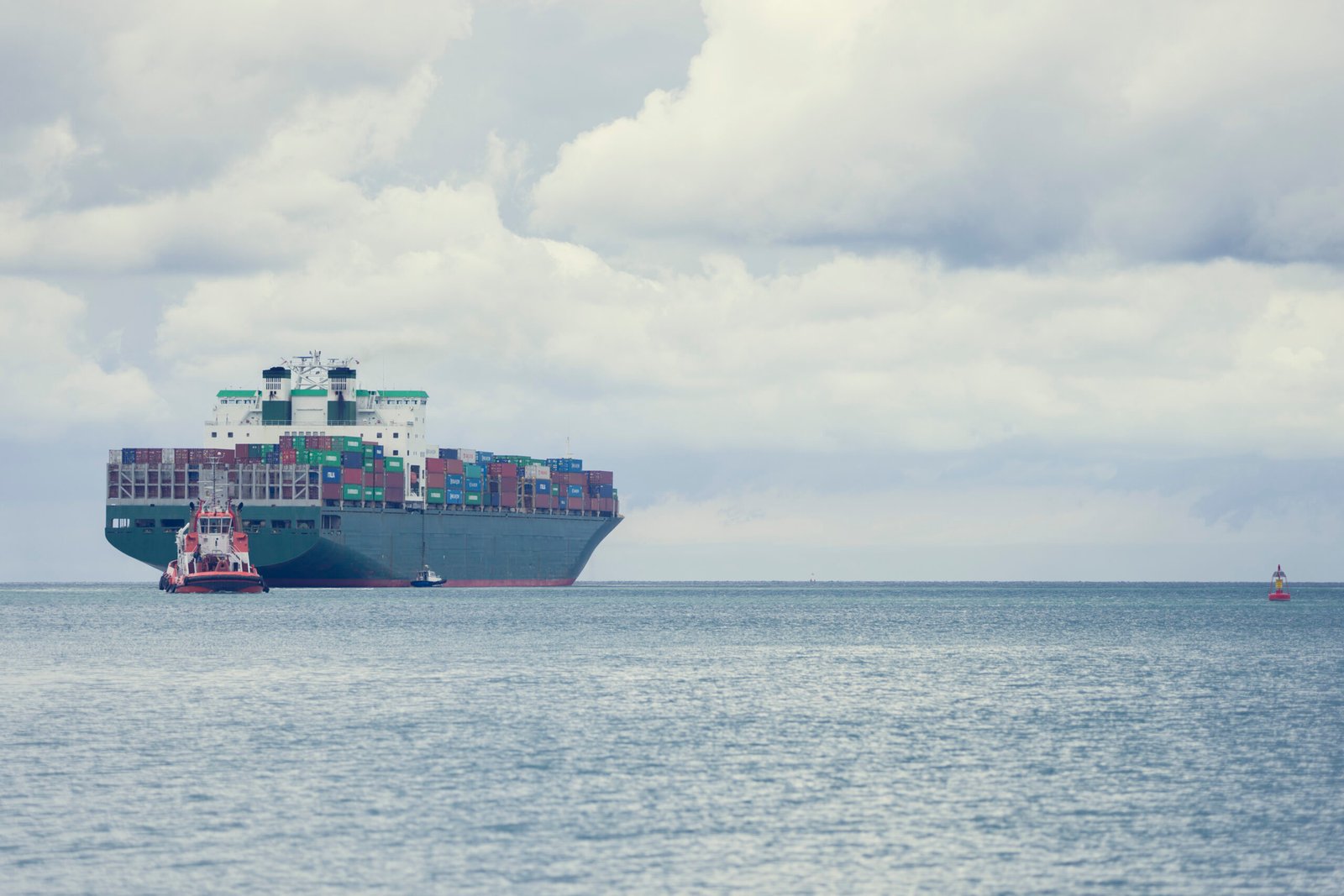
BUSINESS,- Singapore and China have signed a transport cooperation memorandum aimed at developing greener and more digital shipping links between their ports. The agreement was announced during Prime Minister Lawrence Wong’s visit to China on 21 November and covers movement of goods and people, transport safety, intelligent transport systems and artificial intelligence. For shipping companies, the key question is whether the framework will eventually reduce costs and emissions on actual routes.
According to The Business Times’ detailed account, the arrangement will be overseen by a committee co-chaired by the countries’ transport ministers. The committee is expected to meet every two years, alternating between Singapore and China.
What is a green shipping corridor?
The term generally describes a route on which ports, carriers, fuel suppliers and regulators collaborate to test lower-emission shipping solutions. The components may include cleaner fuels, port electricity, improved logistics and better information sharing. But a memorandum of understanding is not proof that a route has already achieved a particular reduction in emissions.
Commercial ships have long operating lives and require reliable fuel supplies at multiple ports. If one port offers a lower-carbon fuel but another cannot replenish it, operators may struggle to adopt it across a regular service. Fuel cost, safety standards and infrastructure all influence whether new technology is practical.
Digital systems can also help with route planning, cargo documentation and port scheduling. A ship that waits less time before berthing may burn less fuel in certain circumstances, although the benefits depend on traffic, weather and operating practices.
Why businesses need clear standards
Shipping companies face pressure to reduce emissions while keeping freight competitive. Clear information about fuel properties, certification, emissions accounting and port services can help them compare options. Different rules across jurisdictions may otherwise create costs or uncertainty.
The Singapore Ministry of Transport oversees transport policy and cooperation, while maritime regulators and operators would need to translate broad commitments into projects. Firms should look for subsequent route announcements, investment decisions and measurable operating results.
How this connects to wider bilateral ties
The MOU is one element of broader Singapore-China cooperation encompassing digital governance and the green economy. It is separate from negotiations to upgrade the bilateral free trade agreement. The transport agreement establishes a collaborative framework; trade-law changes would require their own negotiations and implementation.
Singapore plays a major role in global transhipment, and China is central to international manufacturing and shipping networks. Their ability to coordinate standards could influence supply chains serving other Southeast Asian ports, although those outcomes will depend on whether third-party operators participate.
What would prove the MOU has value?
Useful indicators would include a named corridor, participating shipping lines, available fuel or electricity infrastructure, verified emissions measurements and a timetable for expanding operations. A reduction in administrative delays would also need to be demonstrated through actual port performance.
Green shipping is not a single technology that governments can turn on by signing a document. It requires investment and coordination across the industry. The agreement creates a channel for that work; the commercial and environmental results remain to be tested.