BUSINESS,- Brent crude settled at US$89.37 a barrel on 23 November, falling below US$90 as rising oil supply and the reopening of a Libyan pipeline outweighed continuing geopolitical risks. US West Texas Intermediate also fell, closing at US$80.17. For energy-importing Asian economies, the decline is potentially encouraging, but it does not mean shipping disruption or fuel-price uncertainty has ended.
Reuters reported declines of 3.46 per cent for Brent and 3.88 per cent for WTI, both reaching their lowest closing levels in roughly three months. Libya’s Sharara pipeline resumed operation, with crude beginning to flow into storage facilities, while recovering Middle Eastern supply also weighed on market prices.
Why lower prices can coexist with conflict
Oil prices reflect expectations about future supply and demand, not just the current presence of security threats. If traders believe more crude is available than buyers will need, prices may fall even while some individual shipments remain exposed to disruption. Conversely, an unexpected interruption can rapidly change those expectations.
The latest move suggests that market participants gave greater weight to recovering supplies than to potential shortages. That is different from establishing that the security situation has improved. Businesses still need to assess actual freight, insurance and delivery conditions for their own purchases.
What the supply outlook indicates
The Wall Street Journal’s coverage cited International Energy Agency projections of a supply surplus in the fourth quarter and a larger surplus next year. Those projections depend on assumptions about production and demand, which can change with economic activity, policy or unexpected disruptions.
OPEC+ ministers are due to discuss production policy for 2027 on 29 November. Their decisions could influence expectations about available crude, but the meeting has not yet occurred. Any forecast based on a particular production response remains conditional.
How Asian businesses could be affected
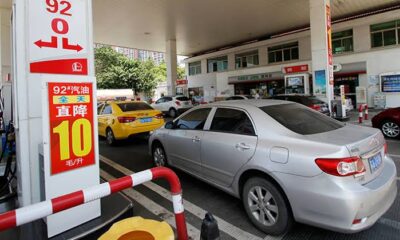
Airlines, road freight operators and manufacturers may benefit if lower crude prices persist and feed through to their actual fuel costs. The transmission is not immediate or uniform: procurement contracts, hedging, refining margins, exchange rates and taxation all matter.
Energy producers and refiners may face a different picture. Lower feedstock costs can be helpful in some cases, while declining product prices or weaker margins can reduce profitability in others. Singapore’s role as a refining and trading centre means that business impacts depend on particular contracts and exposures rather than the direction of Brent alone.
For households, the decline is a market signal rather than a guaranteed reduction in tomorrow’s utility or petrol bill. The next useful evidence will include subsequent commodity prices, inventory data and the outcome of the OPEC+ meeting. The latest market move illustrates how supply expectations can outweigh geopolitical fears without making those fears irrelevant.