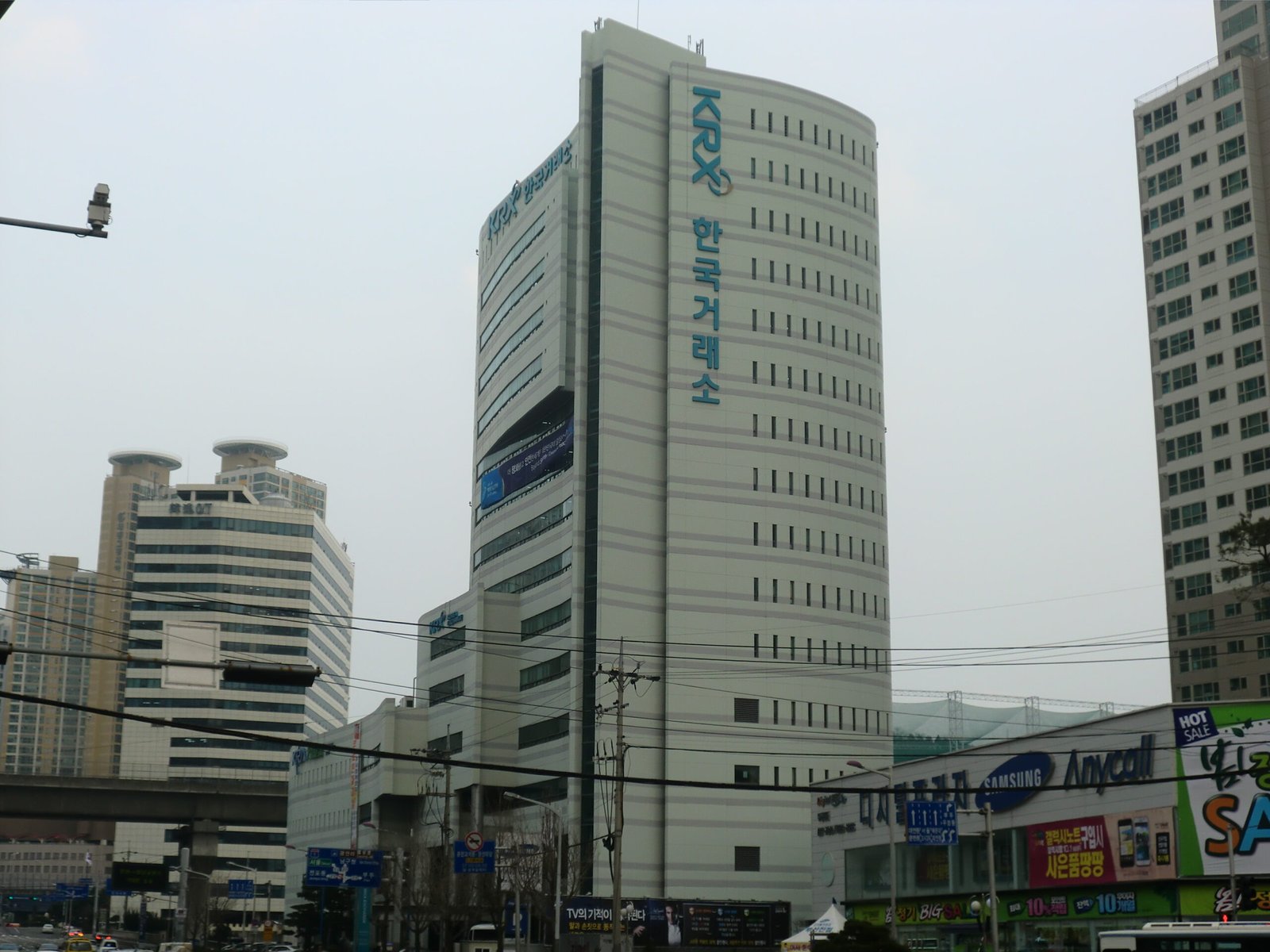
BUSINESS,- South Korea has begun preparations to deploy securities market stabilisation funds if volatile trading conditions worsen, after a sharp fall in local and global technology shares. The government announced the contingency work on Sunday, 22 November, following a week in which concerns about AI valuations and semiconductor investment weighed heavily on equities. The distinction is important: the authorities are preparing tools for possible intervention, not announcing that the full fund has already been spent.
A Reuters report on the measures said South Korea’s KOSPI index fell by more than five per cent on Friday and reached its lowest closing level in about ten months. Officials also agreed on temporary easing of daily limits for share repurchase orders and tighter monitoring of market misconduct.
Why technology shares are central to the decline
South Korea’s share market has major exposure to companies supplying memory chips and other technology used in AI infrastructure. When investors become concerned that data-centre spending may grow more slowly than expected, those suppliers can face abrupt changes in valuation.
A fall in share prices does not automatically mean demand for their products has already collapsed. Stock prices reflect expectations about future earnings, interest rates and risk. An industry can report strong current orders while investors reduce what they are willing to pay for potential profits years ahead.
The government is also responding to broader conditions, including international monetary policy and the financing required by large AI projects. High spending on computing equipment can support suppliers now but creates uncertainty about whether end customers will earn enough to sustain the investment cycle.
How a stabilisation fund works
Such funds can provide liquidity or confidence during extreme market stress, depending on their design. They are not intended to set the correct price for every share or guarantee that investors will avoid losses. The announcement may influence expectations even before funds are used, as participants anticipate a government response to disorderly trading.
The Chosun Ilbo’s account says the government is also temporarily relaxing buyback order limits for three months from 24 November and strengthening surveillance of illegal short selling. The policies address different issues: company buybacks affect demand for shares, while enforcement aims to preserve confidence in trading integrity.
What are the limits of intervention?
A stabilisation measure may reduce panic but cannot remove weak earnings or make every investment attractive. If share prices remain vulnerable because profit forecasts were unrealistic, the underlying adjustment may continue. Authorities also need to avoid creating expectations that markets will always be rescued.
Investors should distinguish between liquidity support during disorderly conditions and direct assistance to individual companies. Financial stability measures are not instructions to buy a particular stock or promises that any market level will be defended.
What should Asian businesses watch?
Semiconductor companies and regional suppliers may see changes in financing sentiment or investment plans. Singapore investors holding Korean equities through funds could be exposed to volatility, but the size of their risk depends on portfolio composition.
The immediate indicators will be Monday’s trading, any formal fund activation, changes in buyback activity and whether technology-company earnings support current expectations. The government’s announcement shows concern about disorderly markets; whether confidence returns will depend on broader fundamentals as much as official tools.