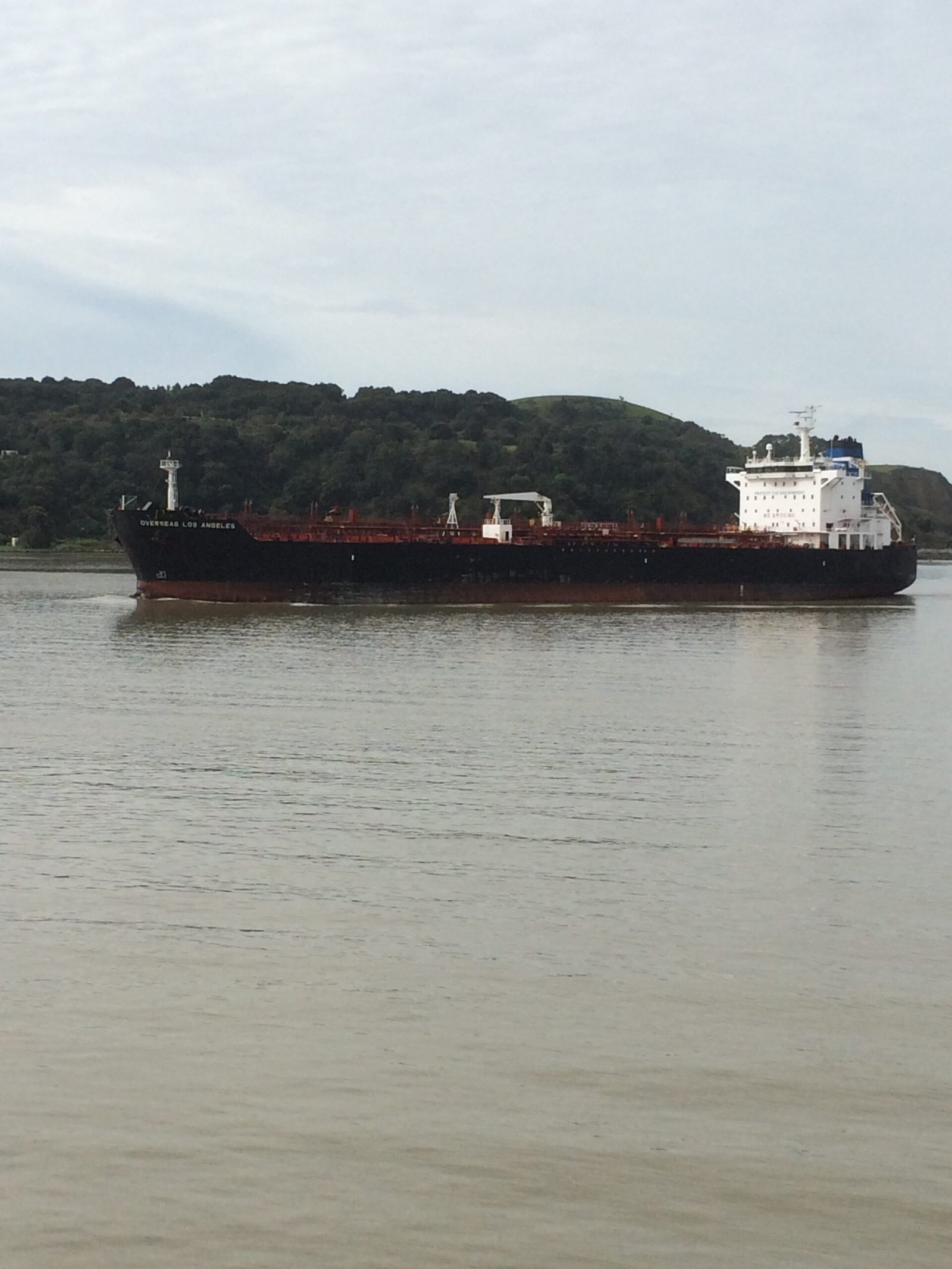
INTERNATIONAL,- Maritime security authorities reported two attacks involving tankers near Oman’s Khasab on Saturday, 21 November, intensifying concerns about commercial shipping at the entrance to the Strait of Hormuz. The United Kingdom Maritime Trade Operations agency (UKMTO) said projectiles of unknown origin struck vessels in the area, but there were no reported casualties from either new incident. The available accounts did not immediately establish who was responsible.
A tanker travelling out of the strait was hit near its stern about 11 nautical miles north of Khasab. A second report concerned damage to an engine room roughly 17 nautical miles east of the port. Reuters reported that authorities had not confirmed whether the reports involved separate ships or two accounts of the same vessel. That uncertainty is important when interpreting the incident total.
Why this location matters
Khasab lies on Oman’s Musandam Peninsula near one of the world’s most strategically important energy waterways. The strait links the Persian Gulf to shipping routes serving Asia and elsewhere. Before the regional conflict intensified, it handled a large share of internationally traded crude oil and liquefied natural gas.
Ships navigating the area are vulnerable not just to an actual strike but also to changing navigation instructions, insurance requirements and security restrictions. Operators may have to alter routes, delay sailings or seek additional cover. These commercial decisions can increase costs even when the immediate physical damage to a vessel is limited.
What is confirmed and what is disputed?
UKMTO’s incident advisories describe projectiles whose source had not been confirmed at the time of reporting. Iran’s navy separately said an oil tanker caught fire after striking a naval mine in a restricted area east of the waterway. Reuters said it could not independently verify the account or establish whether it referred to the reported tanker incidents.
It would therefore be inaccurate to label both attacks as confirmed mine strikes or attribute them to a particular government without further evidence. Investigations may clarify the type of weapon, the vessel involved and the extent of damage.
There was also a report of a tanker fire on Friday near Khasab. The sequence suggests continuing danger, but incident reports can arrive late or be updated, which makes exact counts sensitive to how each case is classified.
How might Asian businesses be affected?
Oil importers, refiners and shipping companies in Asia depend on reliable maritime routes. Disruption can affect delivery times, fuel premiums and inventory decisions. A direct price increase cannot be inferred from one incident alone, because energy prices also respond to supply levels, demand and broader geopolitical expectations.
For Singapore, an international refining and shipping centre, the immediate concern is safety for seafarers and the resilience of logistics and energy trading. Companies should review official warnings and counterparties’ operational arrangements instead of relying on unverified social-media footage.
What happens next?
Investigators will need to establish vessel identities, physical damage, environmental impact and responsibility. Authorities are advising commercial ships to exercise caution and report suspicious activity. Until those findings are available, the most responsible description is that the tanker reports underscore serious security risks, not a verified change in control of the strait.
The broader lesson is that international shipping depends on the rule of law and safe passage. Even isolated attacks can have consequences far beyond the vessels involved when they affect a waterway central to global energy supplies.