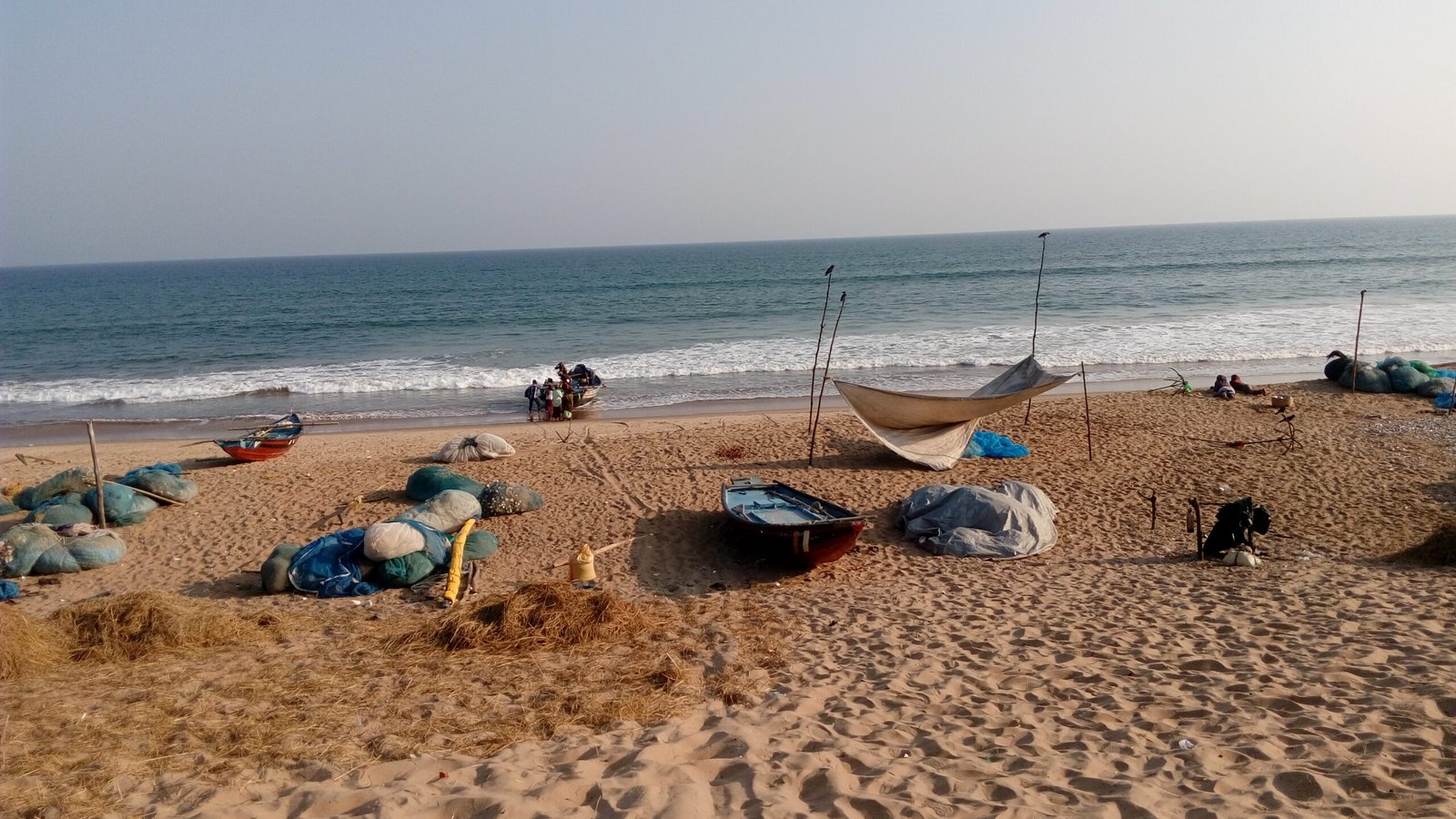
INTERNATIONAL,- Severe Cyclonic Storm Akvan has weakened into a low-pressure area over Odisha, India’s national weather agency said on 21 November, shifting the immediate focus from cyclone landfall to rainfall impacts and recovery. The India Meteorological Department (IMD) issued its final special press release on the storm’s remnants at 11.30am local time, while indicating that ordinary forecast bulletins would continue. The distinction matters because a weakened cyclone can still cause local flooding or disrupt transport.
According to the IMD’s dated release, the system moved north after affecting southern coastal Odisha. It weakened from a deep depression to a depression during Friday evening, then to a well-marked low-pressure area before becoming an ordinary low-pressure area over northern inland Odisha early Saturday.
What does weakening actually mean?
Cyclone categories describe the strength of sustained winds around a storm. As a system moves over land, it often loses access to the warm ocean energy that sustains its circulation. Wind speeds may decline relatively quickly, but the remaining moisture can continue producing heavy rain.
This is why forecasts need to distinguish a declining wind threat from continuing risks associated with saturated ground, swollen rivers or coastal infrastructure. An official report saying the cyclone has weakened should not be read as an all-clear for every community.
The IMD’s decision to end its special cyclone releases reflects a change in the weather system’s classification, not the end of all monitoring. Regional meteorological centres can continue to issue relevant rainfall or local warnings. Residents should rely on those announcements and local disaster-management instructions.
Why Odisha invests in evacuation and warnings
Odisha has faced many severe Bay of Bengal storms and has developed experience with evacuation planning, shelters and public alerts. Forecasts can give authorities time to move people out of areas at risk from wind, storm surge or flooding. The effectiveness of those steps depends on reliable communication and access for people who need additional assistance.
Numbers circulating immediately after a disaster can change as officials inspect affected areas. Early reports of limited casualties or damage should be treated as provisional unless confirmed by emergency authorities. It is important not to confuse a lower-than-feared impact with proof that protective measures are unnecessary.
Storm damage is also uneven. Coastal villages, fishing communities, farms and power networks can face very different effects. A national summary may not capture the disruption to a household that has lost access to a road, water supply or livelihood.
What other Asian countries can learn
Coastal regions throughout South and Southeast Asia face tropical-cyclone risks. Preparedness involves more than forecasting a track: authorities need evacuation transport, accessible shelters, resilient electricity and credible warnings in languages people understand. Planning should account for the possibility that storms change direction or intensity.
Better early warning can reduce the loss of life, but recovery still requires support for damaged homes, crops and businesses. People returning after a storm may encounter contaminated water, fallen cables and weakened structures even when the strongest winds have passed.
What evidence will matter next?
The most useful subsequent information will be verified accounts of damage, infrastructure restoration, rainfall and local recovery needs. IMD’s weather portal remains a reference for updates after the special advisory sequence has ended.
Akvan’s weakening is a meaningful meteorological milestone. The longer-term measure of resilience, however, is whether communities can recover safely and whether lessons from the storm improve preparation for the next one.