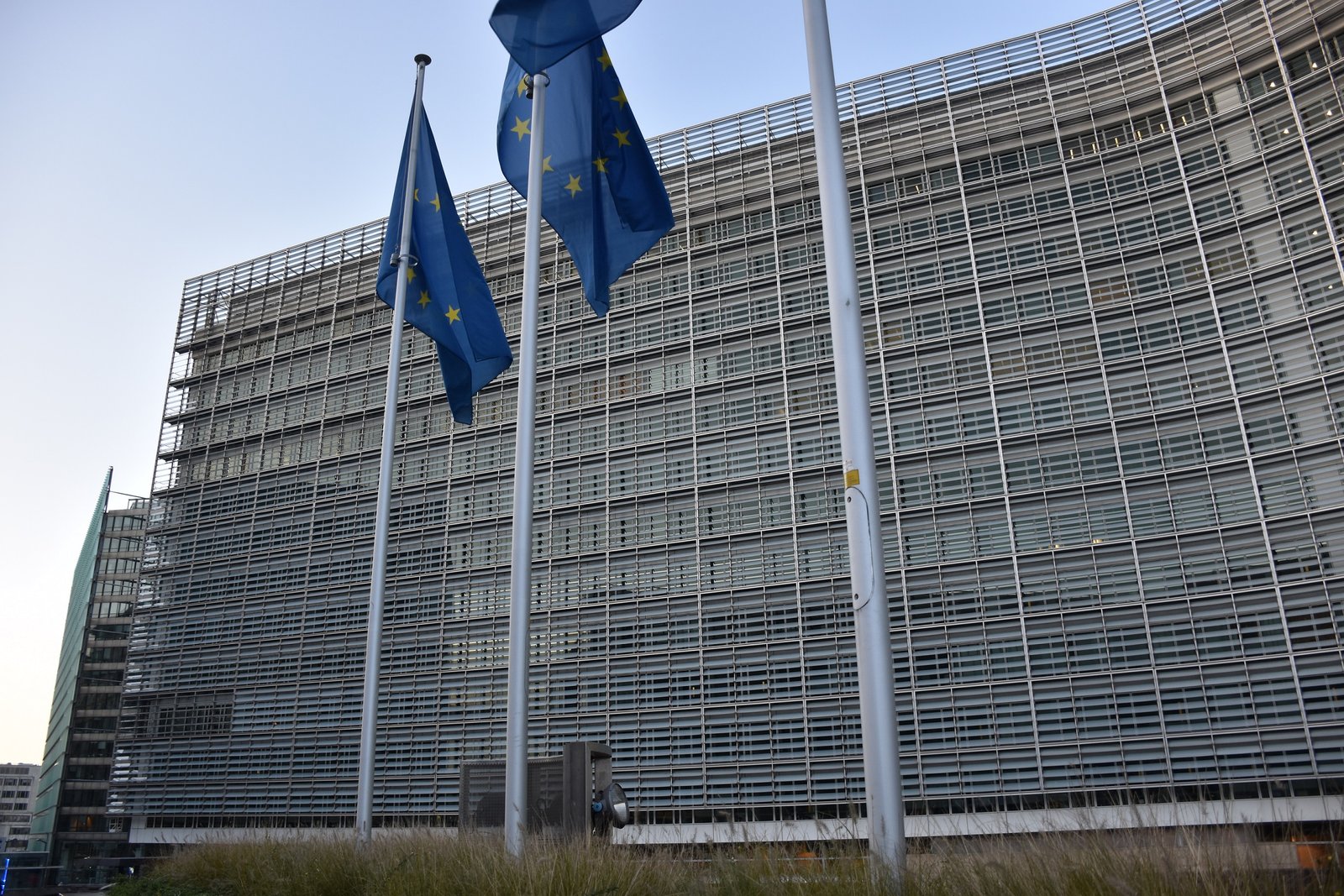
INTERNATIONAL,- Britain and the European Union have agreed new measures covering youth mobility, food trade and emissions trading as part of a wider effort to improve their relationship after Brexit. The 20 November summit in Brussels produced a joint statement detailing areas of cooperation, although some provisions require further work before businesses or travellers can use them.
The European Council’s official summary also highlights defence cooperation, Ukraine and a planned digital partnership. For companies, the agreements could reduce certain costs created by regulatory differences. For younger people, they may create a new route for temporary residence, work and study.
What the youth scheme would allow
The two sides have concluded negotiations on a Youth Experience Scheme, which would allow up to 100,000 young people from each side to reside in the other’s territory for up to three years under the relevant legal rules. Activities may include work, study, volunteering and cultural exchange.
This is not a full restoration of unrestricted movement between Britain and the EU. Eligibility, applications and safeguards will be governed by the eventual scheme. The joint statement says the parties aim to apply the arrangements by 2028, with opportunities available by January 2030 at the latest.
People planning travel should therefore distinguish a completed negotiation from an immediately usable visa. The details of charges, places, documentation and national procedures will matter once the rules are published.
Why food trade has become a practical priority
After Britain left the EU, some agricultural and food products faced more checks, documentation and uncertainty when crossing the border. Proposed sanitary and phytosanitary arrangements are intended to reduce those barriers. Easier procedures could help exporters and importers, but the actual financial impact will depend on implementation and the products covered.
The two sides also concluded negotiations to link emissions trading systems. That could help firms exposed to carbon costs across the border, particularly where industrial products are traded. However, technical requirements and market safeguards must still be established before companies can rely on specific cost savings.
What was not resolved?
Disagreement remains over university tuition arrangements, including how students from each side should be charged. A summit declaration cannot remove every outstanding issue in a relationship governed by many separate regulations and agreements.
Security cooperation is receiving greater emphasis. Leaders agreed to deepen work on defence industrial matters, maritime security and responding to hybrid threats, while continuing support for Ukraine. These are political commitments that will depend on budgets and national procedures.
Why the reset matters outside Europe
Asian businesses operating in Britain and the EU may benefit from more predictable movement of goods and closer cooperation on digital regulation. But the relationship’s effects are sector-specific; a technology exporter will not necessarily gain from the same provisions as a food producer.
The summit shows that two economies can improve practical ties without reversing Brexit. For investors and travellers, the central question is when the agreed frameworks enter into force and whether their day-to-day implementation is as straightforward as the political announcement suggests.