INTERNATIONAL,- China and ASEAN are preparing to implement their upgraded free trade agreement on 1 December, a significant step in aligning regional rules for digital business, supply chains and emerging green industries. The China–ASEAN Free Trade Area 3.0 protocol comes amid broader uncertainty caused by tariffs and competition among major economies.
The agreement was signed in October 2025 and its implementation date announced during November’s ASEAN–China summit. A 20 November report by ICIS says the upgrade covers electronic invoicing, digital payments, customs cooperation, standards and green-economy activity.
Why this is more than a tariff agreement
Earlier generations of trade agreements focused strongly on reducing import duties and establishing rules for the movement of goods. The latest protocol places greater emphasis on the systems that allow trade to function efficiently, including compatible documentation and procedures.
For a manufacturer using components from several countries, a border delay can be costly even when tariff rates are low. Better coordination of electronic documents and customs processes could reduce unnecessary paperwork, provided participating governments implement the rules effectively.
The agreement also addresses sectors such as electric vehicles and solar energy. These supply chains depend on technical standards, component movement and investment across borders. A general provision encouraging cooperation is useful, but does not guarantee that every manufacturer’s product will be accepted automatically.
How small companies could benefit
Large exporters often employ specialised teams to manage customs and regulatory requirements. Smaller firms may find such processes disproportionately expensive. Standardised electronic procedures could help more businesses sell across the region without investing in extensive administrative capacity.
However, the actual cost savings need to be demonstrated. Companies must understand whether specific national systems will support the promised procedures, what eligibility rules apply and whether they face extra cybersecurity or consumer-protection obligations.
What about data and cybersecurity?
Digital trade involves information moving among payment providers, logistics companies and online platforms. Greater interoperability can improve efficiency, but it does not cancel the need to comply with privacy and security law. Businesses must still know where data is stored, who can access it and how breaches are managed.
The protocol also promotes cooperation on competition and consumer protection, which can help maintain confidence in regional markets. Stronger integration is valuable only if buyers and sellers can depend on predictable standards and effective enforcement.
Why this matters to Singapore
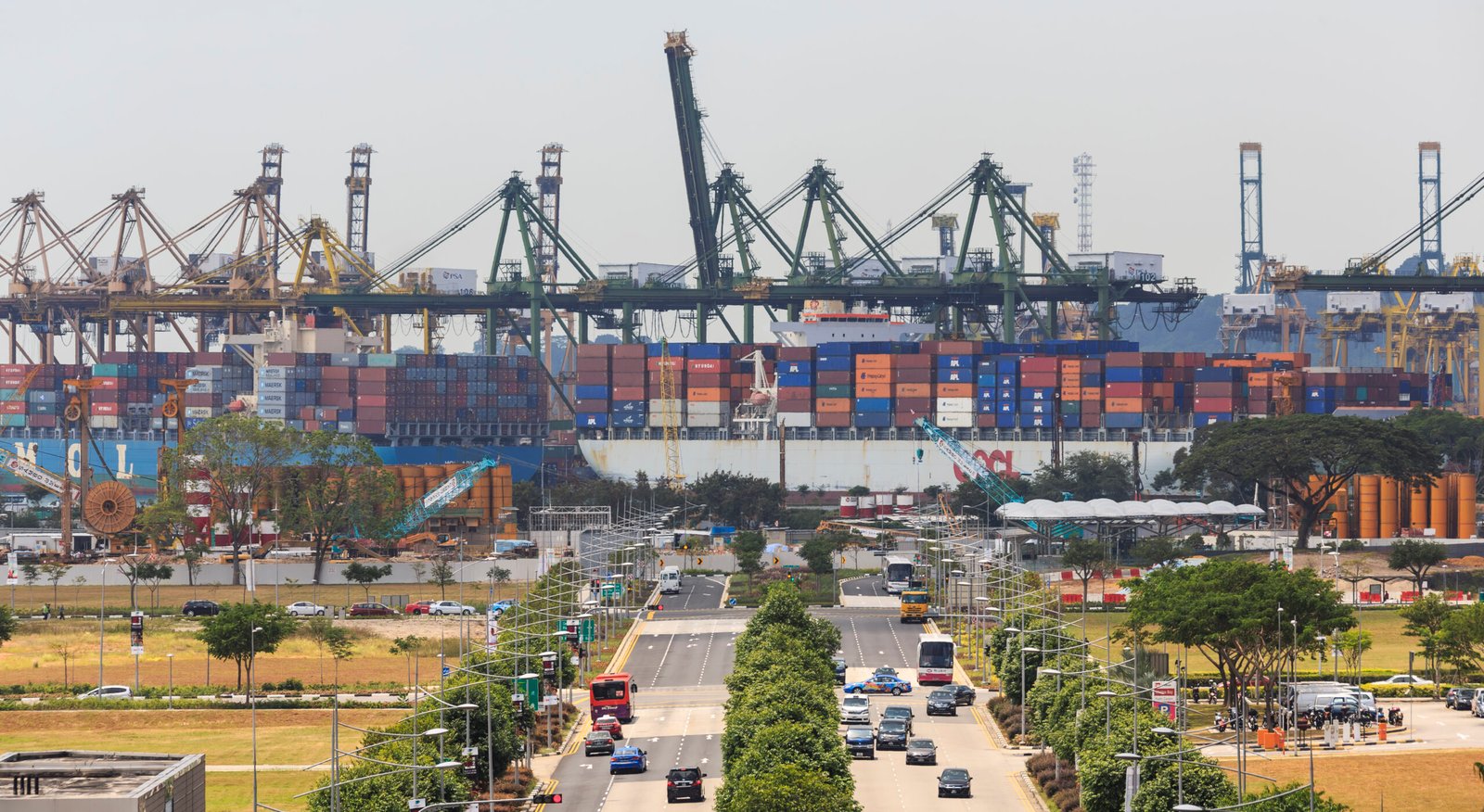
Singapore plays a major role in regional trade, financial services and logistics. More compatible regional practices could benefit companies coordinating supply chains through the city-state. The effects will vary by sector and by how quickly the new provisions become operational.
The China–ASEAN protocol should also be distinguished from the separate bilateral Singapore–China trade upgrade negotiations launched on 20 November. One agreement covers the wider regional bloc and has an announced implementation date; the other is still at the negotiating stage.
For businesses, the immediate task is to review official implementation guidance after 1 December, rather than assume all trading barriers will disappear. The upgrade’s value will ultimately depend on whether digital transactions become simpler and companies find rules more predictable in practice.