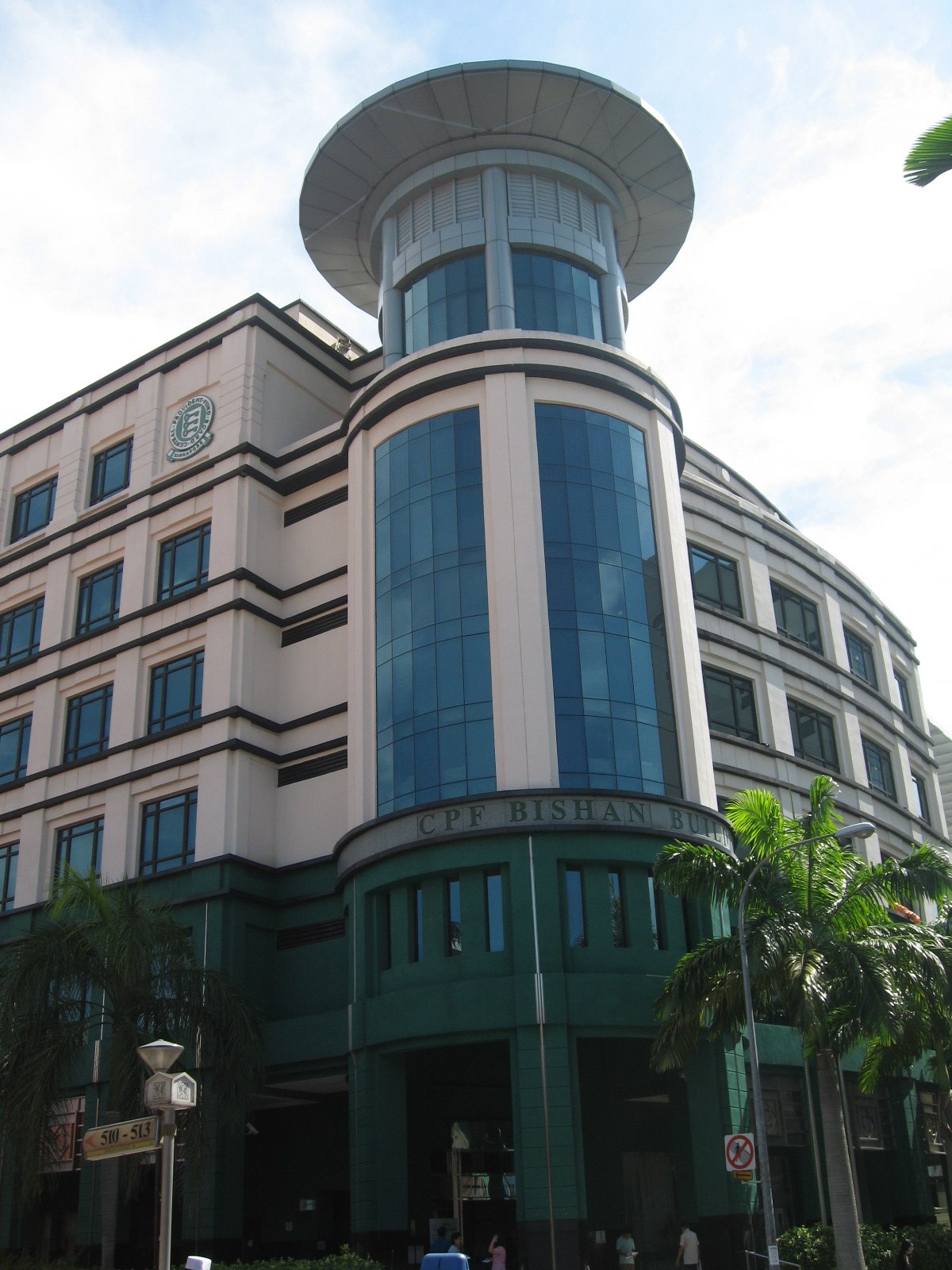
SINGAPORE,- Singapore is reviewing how much Central Provident Fund (CPF) savings future cohorts should set aside for retirement, with attention on people turning 55 beyond 2027. Acting Minister for Manpower Jasmin Lau disclosed the review in a 17 November address to an ASEAN social security conference. The change under consideration matters to workers planning retirement, but the government has not announced any new retirement-sum figures for 2028 or later.
Lau linked the review to longer lifespans and improvements in living standards. As people live longer, their savings may need to support more years of spending. At the same time, higher targets can raise questions for households balancing home ownership, family obligations and savings. The policy challenge is to provide adequate lifelong income without overlooking what people can realistically accumulate during their careers.
What are the CPF retirement sums?
Singapore uses three reference amounts: the Basic Retirement Sum (BRS), Full Retirement Sum (FRS) and Enhanced Retirement Sum (ERS). According to the CPF Board’s explanation, the BRS is intended to help meet basic living expenses in retirement, excluding rent. The FRS is twice the BRS and is the default amount associated with the Retirement Account when a member reaches 55.
The ERS represents a higher limit for people who wish and are able to set aside more, potentially receiving higher monthly payouts. Different conditions apply to withdrawals and property ownership, and the amount in an individual’s account does not automatically equal the maximum reference sum. For example, eligible property owners with sufficient remaining lease may apply to withdraw some savings down to the BRS.
For people who turned 55 in 2026, the BRS is S$110,200 and the FRS is S$220,400. Crucially, CPF says the BRS and FRS applicable at age 55 are fixed for that cohort rather than rising retrospectively when later cohorts receive higher targets. A review for people turning 55 after 2027 does not mean existing retirees will automatically have to meet a new threshold.
Why policymakers keep revisiting the figures
The CPF Board identifies inflation, longer life expectancy and rising living standards as reasons for regular adjustments. An income sufficient for basic expenses at one point in time may be inadequate decades later. At age 65, life expectancy in Singapore was 21.6 additional years in 2025, illustrating how retirement income must often last into the eighties and beyond.
CPF LIFE addresses part of this challenge by pooling longevity risk and paying eligible members income for as long as they live. Yet the size of monthly payouts still depends on savings and individual choices. Higher reference sums are therefore intended to improve income adequacy over time, rather than create a guaranteed high payout for every member.
What remains undecided
The minister did not give revised figures, a detailed formula or an announcement date for the cohorts beyond 2027. It would be inaccurate to claim a particular percentage increase or to portray the review as a final policy decision. Local reporting on the speech likewise emphasised that new amounts have not yet been specified.
Workers approaching 55 can check their own Retirement Account projections and current CPF guidance instead of relying on circulating estimates. Any future change should be assessed in conjunction with CPF LIFE payout illustrations, housing rules and the availability of voluntary top-ups.
The wider question is how an ageing society shares the cost of greater security among individuals, employers and the state. Singapore’s review makes that question visible, but its precise effect on future retirees will only become clear when the government publishes the updated amounts and implementation details.