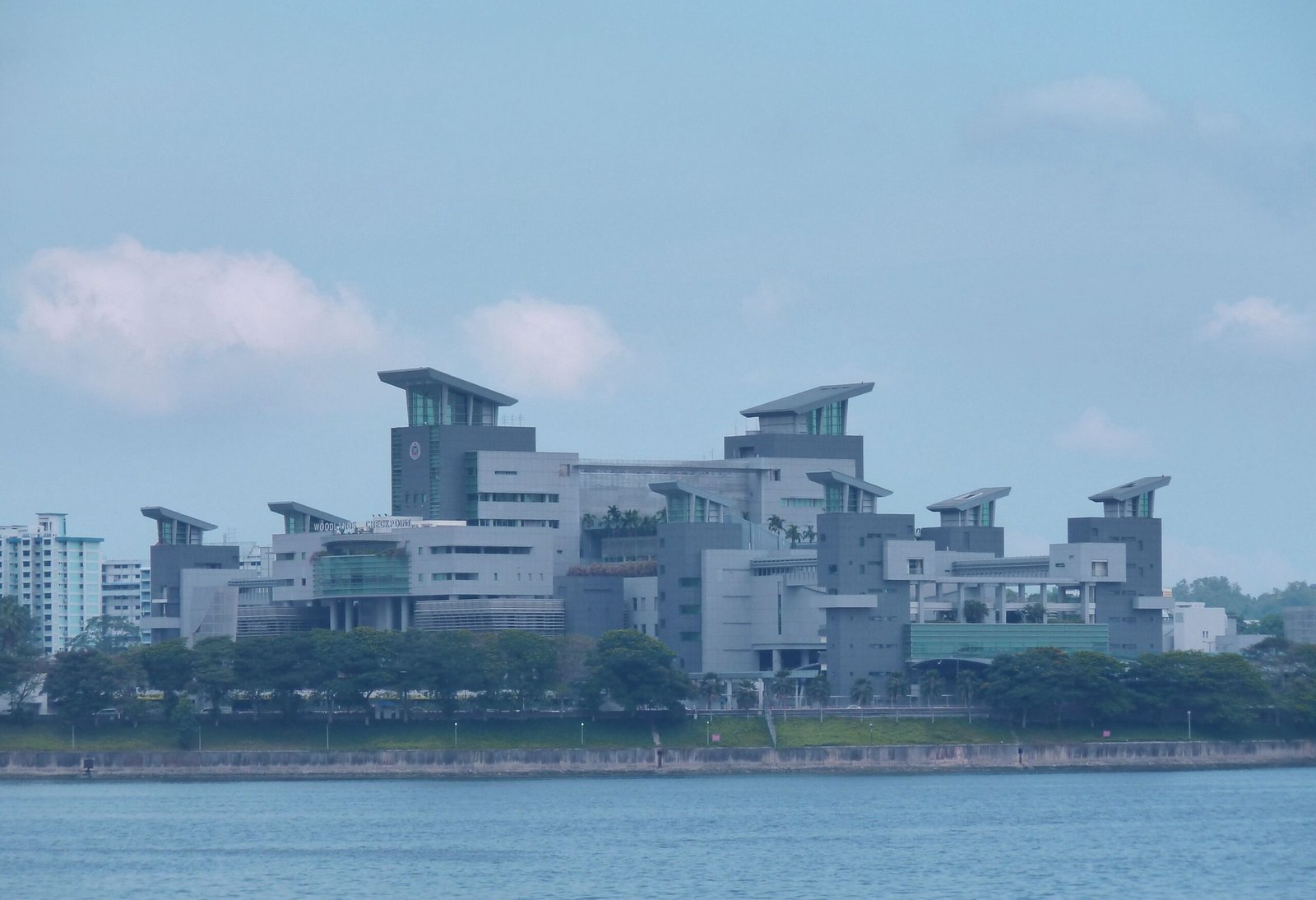
SINGAPORE,- Drivers and bus passengers crossing from Singapore into Malaysia should plan for heavier queues from Friday, 20 November, as the year-end school holidays begin. Singapore’s Immigration & Checkpoints Authority (ICA) has warned that Woodlands and Tuas could remain busy until 3 January 2027. A travel document error, a poorly timed departure or a blocked approach road can turn an ordinary crossing into a lengthy journey.
The warning is supported by recent experience. During the Deepavali long weekend from 6 to 9 November, more than two million people crossed Singapore’s land checkpoints. On the busiest day, 6 November, over 553,000 travellers cleared immigration, and some motorists leaving Singapore waited as long as three hours as congestion spilled back from Malaysia.
Why delays can build outside the checkpoint
A border crossing depends on more than how quickly Singapore officers process documents. Traffic on the Malaysian side, lane arrangements and vehicle volumes can all produce queues stretching into roads approaching Woodlands or Tuas. On 19 November, ICA issued a separate traffic update warning of heavy outbound congestion at Woodlands due to a tailback from Malaysia. That update illustrates how quickly conditions can change even before the formal holiday period starts.
ICA encourages travellers to check live traffic information and consider off-peak hours. Leaving very early or later in the evening may be helpful, but these are suggestions rather than guarantees of a clear road. A public holiday, weather event or road incident can still change the situation.
Why the right passport and QR code matter
ICA has observed more cases involving travellers who present the wrong passport or QR code. Such incidents rose from 46 in July to 74 in September 2026. A person presenting an incorrect document must undergo further checks and cannot depart until the right document or code is produced, potentially delaying the group travelling with them.
That means families should check each member’s passport before leaving home and make sure QR codes in the MyICA application correspond to the people using them. Drivers should also confirm that relevant travel requirements are met. Digital clearance can simplify a journey, but it does not remove the need to carry valid documentation or to check the identity associated with a code.
Bus passengers in wheelchairs and family groups of up to four, including children below six, may be able to use designated Special Assistance Lanes for QR-code clearance. The specific eligibility and on-site guidance matter: travellers should not assume every lane is interchangeable or that the fastest route will always be the same.
Road behaviour is part of the problem
ICA also stepped up enforcement during the Deepavali weekend. Eleven motorists were caught for traffic violations around the checkpoints. Six vehicles were directed to turn back and rejoin the queue, and five foreign-registered drivers were subjected to entry bans for offences including cutting queues and unsafe manoeuvres.
There are also construction works around Woodlands and Tuas. Redevelopment at Woodlands and changes supporting automated passenger clearance at Tuas can alter traffic arrangements, so following marshals and road signs matters even to regular cross-border commuters.
The practical holiday checklist
Before departure, travellers should verify passports, match the correct digital QR codes to the correct individuals, inspect checkpoint traffic and allow extra journey time. Motorists should keep to their lanes rather than attempting shortcuts that endanger others or simply prolong the queue for everyone.
The holiday advisory is not a prediction that every crossing will take three hours. It is a warning that high demand and the possibility of tailbacks require preparation. For families travelling for a short break, that preparation could make the difference between reaching a destination on schedule and losing the first hours of a holiday in traffic.