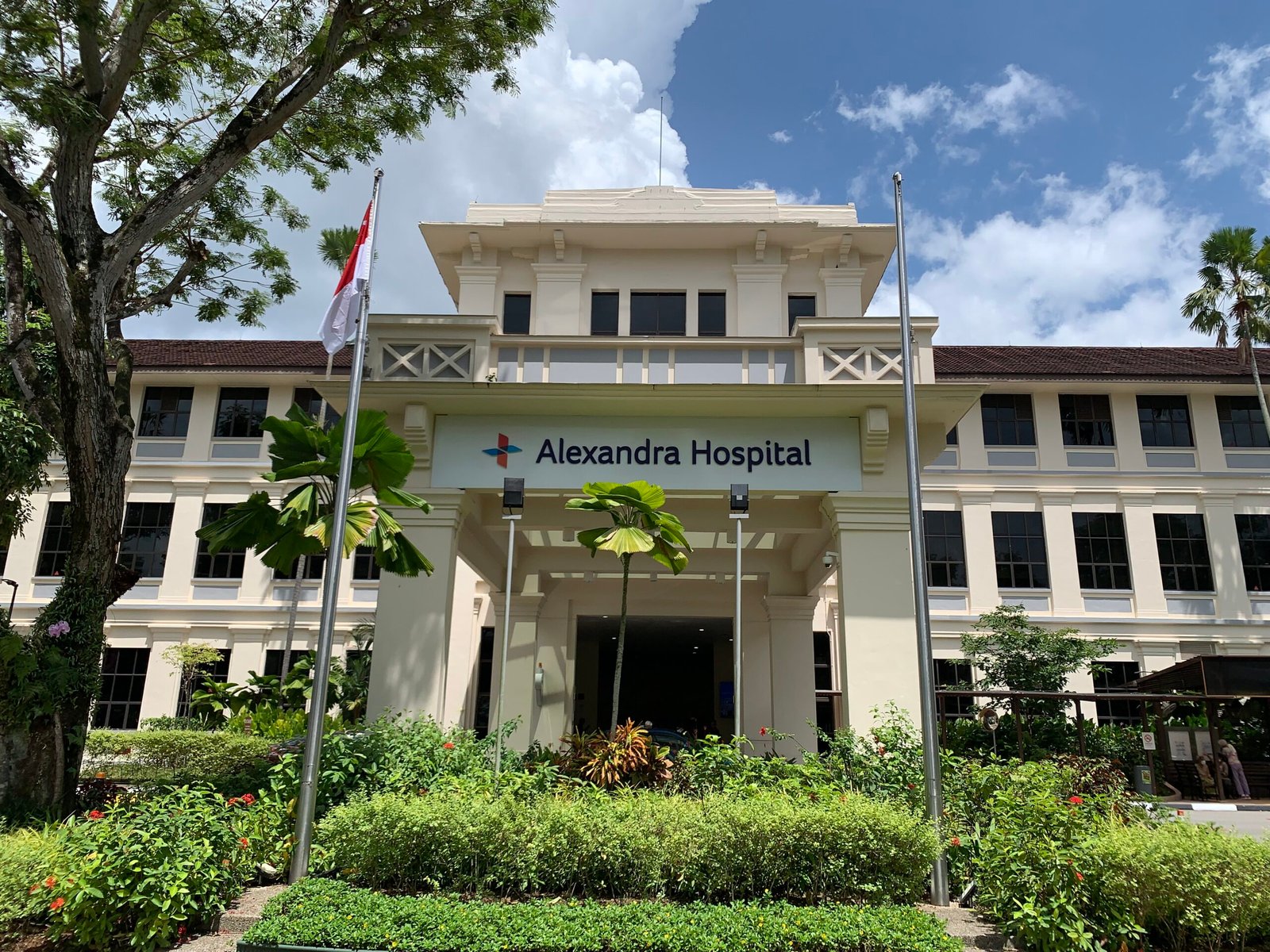
SINGAPORE,- Dance is set to become part of clinical care for people living with Parkinson’s disease at Singapore’s Alexandra Hospital from February 2027. The proposed therapy uses structured movement and rhythm to support balance, walking and confidence, according to reporting published on 18 November. The development is significant because treatment for a progressive neurological condition involves much more than medication, yet no one should mistake the sessions for a cure.
Parkinson’s disease affects the nervous system and commonly causes tremors, muscle stiffness, slowed movement and problems with walking or balance. Symptoms differ among individuals, and some people experience freezing of gait — a temporary difficulty initiating or continuing a step. For someone who is worried about falling or leaving home, the ability to move with greater confidence can influence independence and social participation.
Why rhythmic movement may help
Music and coordinated steps provide external cues that may help some patients organise movement. Dance also combines exercise with attention, coordination and interaction with others. Some international studies have suggested benefits for gait, balance and well-being, but the strength of evidence varies by programme, participant group and measured outcome. An improvement seen during a supervised session does not establish that symptoms will be controlled in every setting.
Alexandra Hospital has been exploring movement-based interventions through its Parkinson’s Café activities. The hospital reportedly saw the number of Parkinson’s patients it treated rise from 84 in 2022 to 256 in 2025. That is an increase in the hospital’s patient count, not proof that Parkinson’s disease prevalence tripled across Singapore. Changes in referrals and service use may influence hospital numbers.
The programme is expected to be prescribed as a targeted therapy rather than presented simply as recreation. Trained staff can adapt movement for different levels of mobility and monitor safety. Someone with difficulty balancing may need support or a modified activity. Participation should be guided by a treating clinician who knows the person’s symptoms and medical history.
Where dance fits in conventional care
Parkinson’s management can involve medication, physiotherapy, occupational therapy, speech and swallowing support, exercise and, for selected patients, specialist procedures. Dance would complement these approaches. It should not be used as a reason to stop prescribed medicine or substitute a single leisure activity for clinical follow-up.
The potential benefits extend beyond physical movement. A person who feels isolated because of symptoms may gain motivation from an enjoyable group activity. Yet patients can have fatigue, dizziness, falls risk or other conditions that make certain movements inappropriate. Good programmes need individual screening and the flexibility to adjust intensity.
Why the hospital setting matters
Bringing creative movement into routine care could make therapy more engaging for patients who find repetitive exercises difficult to maintain. It also gives clinicians an opportunity to observe what works in a structured setting. But describing an initiative as innovative is not the same as demonstrating long-term effectiveness. Outcomes such as walking speed, fall frequency, confidence and sustained participation will matter.
The hospital hopes the approach could eventually be adopted more widely if its experience is positive. Such expansion would depend on evidence, staff training and available resources. No national requirement for dance treatment has been announced, and patients should not assume that every public hospital already offers an identical service.
For affected families, the practical message is to ask a treating team about suitable exercise and rehabilitation options, rather than trying unassisted routines that may be unsafe. The February programme could broaden choices for some patients, but the central goal remains individualised management of symptoms and quality of life.
The broader significance is a shift towards care that considers motivation and social connection alongside medical treatment. Whether dance becomes a lasting part of Parkinson’s rehabilitation will depend on careful evaluation and the experiences of people who take part.