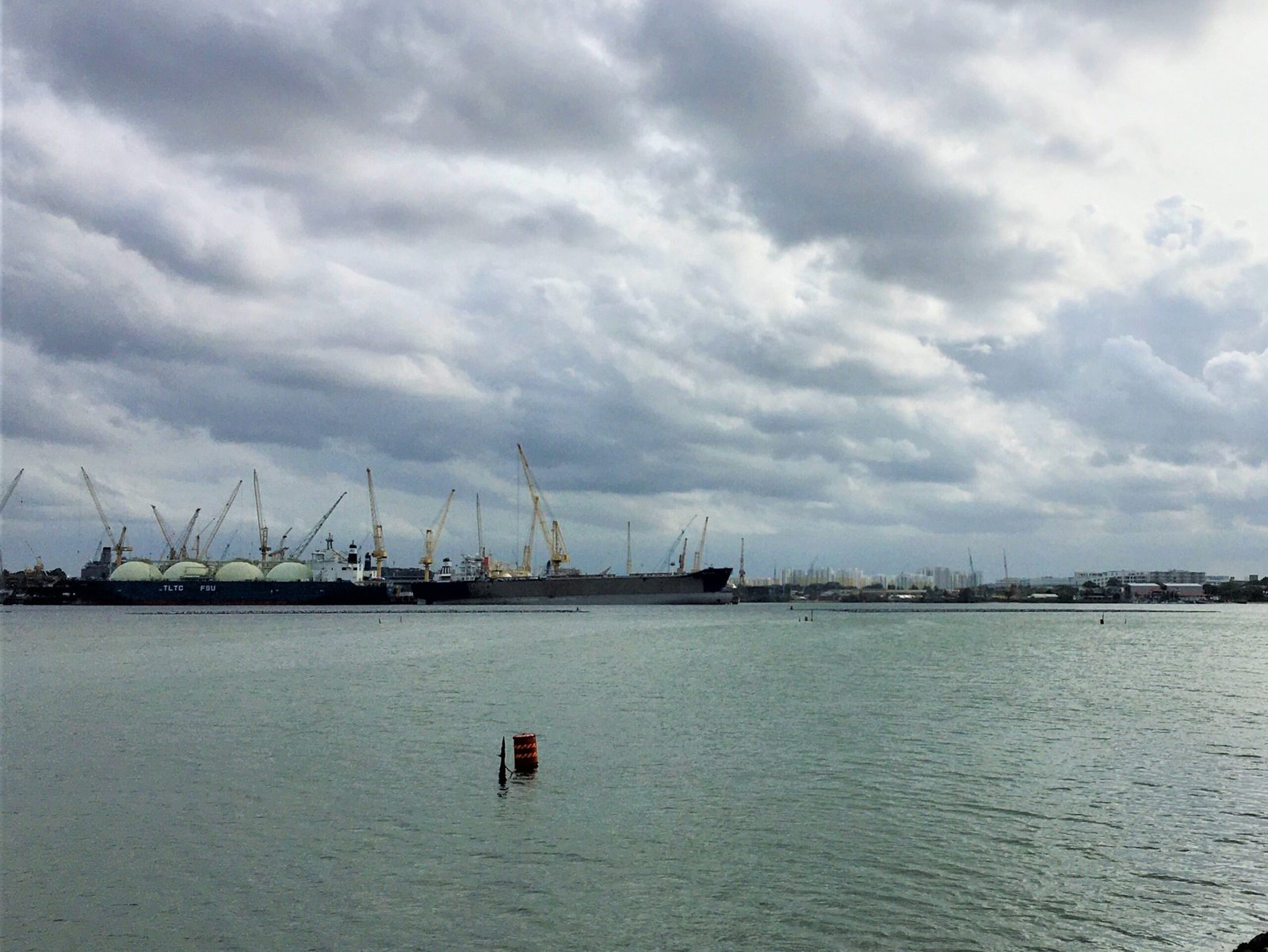
BUSINESS,- Singapore-based marine and offshore engineering company Seatrium reported a net order book of S$12.2 billion as at the end of September 2026, with 35 projects scheduled for delivery through 2033. The company’s 19 November business update also pointed to improving margins and stronger order wins in recent months. For investors and suppliers, the numbers suggest continued demand for complex energy infrastructure, but a substantial backlog is not the same as cash already earned or profit already secured.
Seatrium said it had won about S$1.7 billion in new orders so far this year, according to its third-quarter operating statement. The order book includes work on offshore structures, floating production facilities and gas-related vessels, among other projects. The group expects 2026 underlying net profit to be materially higher than the previous year’s result, excluding one-off items.
How to understand a multi-year order book
An order book records contracted work that a company expects to deliver in the future. It provides some visibility over potential revenue, but projects must still meet technical requirements, schedules and costs before their financial benefits are realised. Large marine construction projects can face engineering complexity, procurement delays, weather risks and changes in customer investment decisions.
Seatrium’s backlog has also declined from S$13.3 billion at the end of June, as The Edge Singapore noted. That does not automatically signal weakening demand because work already delivered reduces the outstanding balance. Analysts need to compare new awards, project progress and cancellations rather than treat the headline number as a simple measure of sales momentum.
Recent work includes floating storage and regasification unit conversions and facilities for power generation and offshore energy. Demand for reliable electricity and gas supply may support such investment, even as the long-term energy transition creates uncertainty about which infrastructure will remain economically competitive.
Why the business still depends on execution
The company reported progressive gross-margin improvements supported by project mix, cost discipline and divestments of non-core operations. Completed disposals are expected to deliver annualised cost savings, but projected savings should be distinguished from profits already realised. The timing and effectiveness of the programme are important to the investment case.
A letter of intent for an additional floating liquefied natural gas project is another example of why contract status matters. An expression of intent is not equivalent to a fully executed award, and expected opportunities should not be counted as secured revenue unless the company confirms the contract.
For Singapore’s engineering workforce and suppliers, a sustained pipeline can support demand for specialist technical skills, components and project management. The benefit is not automatic: project requirements may shift, procurement can occur across countries and companies may rely on subcontractors with different staffing needs.
What the energy transition means for future orders
Marine engineering groups are exposed to different sides of the energy transition. Conventional offshore production and gas projects can provide near-term work, while offshore wind and electrical infrastructure may offer a different growth path. Each type of project has its own technical and commercial risks.
Investors should assess whether Seatrium can consistently turn complex contracts into positive cash flow, manage project milestones and replenish its order book without compromising margins. Energy demand is a broad tailwind, but financial performance ultimately depends on delivery quality and contract economics.
The November update provides evidence of progress in execution and commercial momentum. The more important test will be whether that progress translates into audited financial results and resilient returns over the coming years.