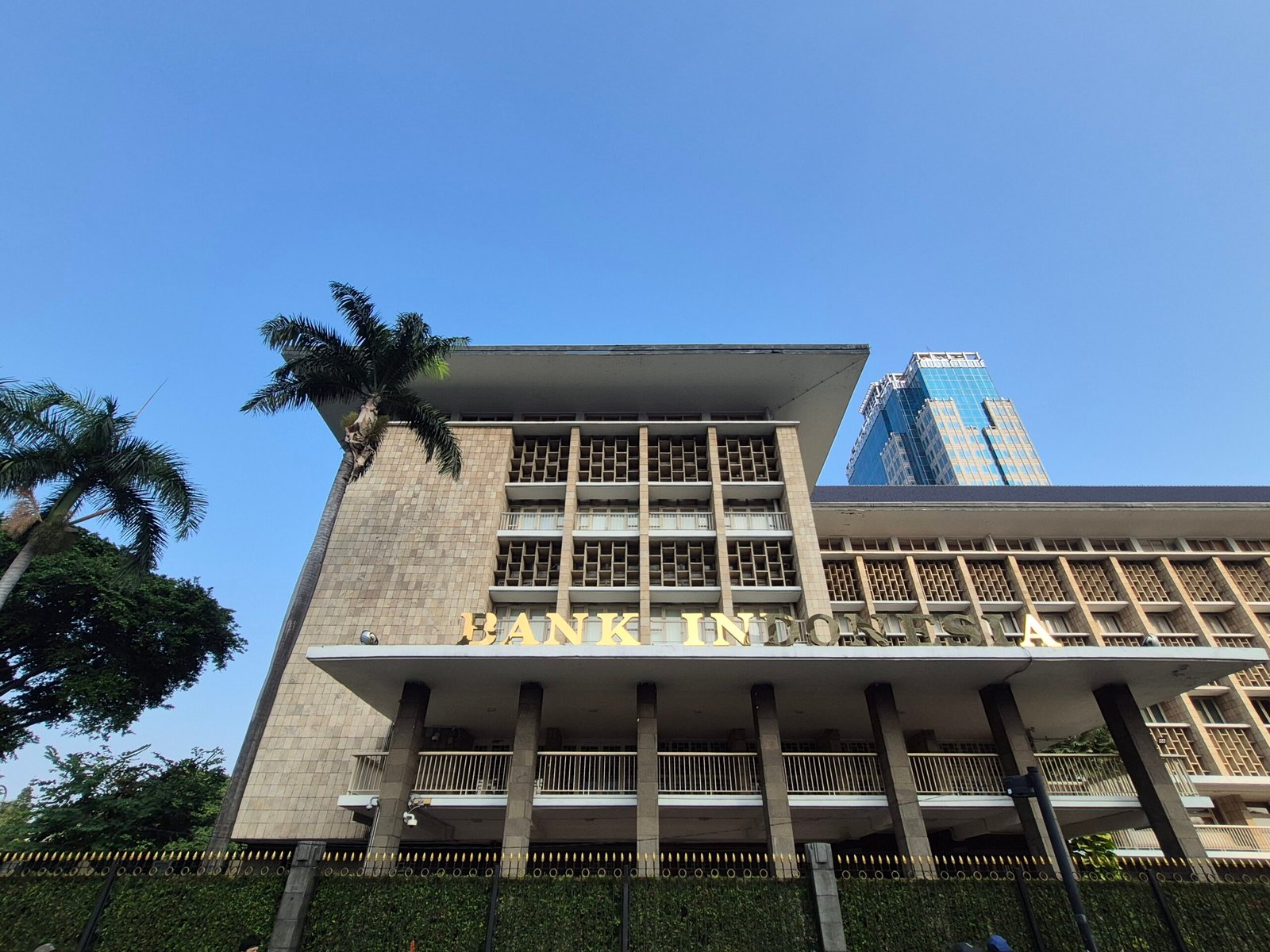
BUSINESS,- Indonesia’s central bank raised its benchmark interest rate by 25 basis points to 6.00 per cent on 18 November, signalling that protecting the rupiah had become a pressing priority amid global uncertainty. The decision surprised many economists and could have consequences for corporate borrowing, consumer credit and regional investor sentiment. Its impact is not simply that one headline interest rate changed: monetary policy affects the price of funding, exchange-rate expectations and confidence in the broader economy.
In its official statement, Bank Indonesia said the increase was intended to strengthen exchange-rate stability and keep inflation within its target range of 2.5 per cent, plus or minus one percentage point, during 2026 and 2027. The overnight deposit facility rate rose to 5.25 per cent and the lending facility rate to 6.75 per cent.
Why higher interest rates can support a currency
When interest rates rise, holding assets denominated in a currency can become relatively more attractive, assuming other risks remain unchanged. That can help counter capital outflows and reduce pressure on exchange rates. Higher rates can also limit inflation by making borrowing more expensive and moderating demand.
The effect is not mechanical. Investors also evaluate political conditions, government finances, global bond yields and expectations of future policy. Reuters reported that the rupiah recently touched around 18,285 per US dollar as investors considered domestic and international risks. Currency markets may remain volatile even after a central bank raises rates.
The central bank’s own figures showed the rupiah at 18,245 per US dollar on 17 November, weaker than at the end of October. Indonesia’s authorities have also used other instruments, including hedging arrangements and policy measures aimed at keeping local-currency assets attractive. The benchmark rate is therefore one part of a larger stabilisation effort.
What this means for businesses and households
A higher policy rate can eventually increase banks’ funding costs and the rates charged on new loans, depending on competition and market conditions. Companies planning factory expansion, new vehicles or inventory purchases may need to reassess financing assumptions. Households considering borrowing can also be affected, although the timing and size of changes vary across loan products.
A more stable rupiah, meanwhile, can help firms that import machinery, fuel or raw materials priced in dollars. Sudden depreciation raises local-currency costs and can complicate budgets. The benefit of currency stability must therefore be weighed against the risk that tighter financing conditions slow investment.
Bank Indonesia said bank capital and liquidity remained resilient and that it would continue policies intended to support credit to the real economy. These complementary measures are designed to avoid unnecessarily damaging growth while monetary policy addresses the currency.
Why Singapore and ASEAN should pay attention
Indonesia is a major market for Singapore-based investors, banks, logistics firms and consumer companies. Exchange-rate swings can affect the value of earnings, import costs and the competitiveness of regional supply chains. Those effects are business-specific: a company receiving revenue in rupiah may have different exposures from one paying local costs while earning dollars.
Regional investors will also watch whether other central banks face similar trade-offs between supporting currencies and maintaining economic momentum. Indonesia’s decision does not mean neighbouring countries will automatically follow it.
The next evidence will come from rupiah trading, inflation data, credit growth and subsequent central bank meetings. For companies, prudent planning should test different funding and exchange-rate scenarios rather than assume one rate increase will settle market uncertainty.