BUSINESS,- The United States has urged officials in Singapore and Malaysia to strengthen enforcement against networks allegedly helping Iran evade sanctions, bringing renewed attention to maritime, finance and procurement compliance in Southeast Asia. A Reuters report on 20 November said US Treasury representatives raised concerns about corporate structures and trading arrangements that could conceal sanctioned activity.
The development comes amid heightened Middle Eastern conflict and extensive restrictions targeting Iranian networks. Singapore has said it remains committed to preventing abuse of its business environment. Importantly, pressure from another government is not proof that any particular Singapore company has violated the law.
Why maritime hubs receive special scrutiny
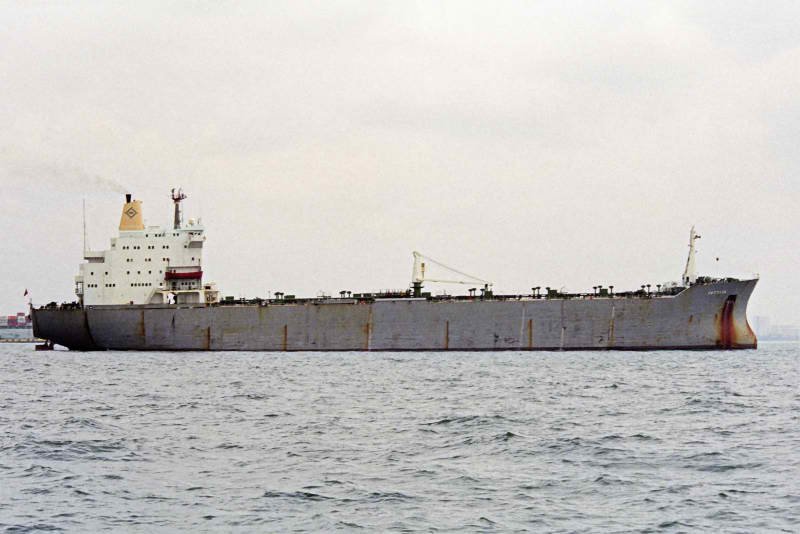
Singapore and Malaysia are major centres for shipping and trade services. Large volumes of legitimate transactions move through the region, involving cargo owners, brokers, insurers, banks and logistics providers. This complexity can also create opportunities for bad actors to obscure the origin, ownership or final destination of goods.
Authorities have previously expressed concern about ship-to-ship transfers and the use of intermediaries to disguise Iranian oil movements. Such techniques can occur in legitimate trade as well as be used for concealment, so compliance decisions must rely on specific facts and applicable legal requirements.
The US has warned that companies providing certain services to sanctioned entities could face restrictions or penalties under American law. The scope depends on the relevant sanctions regime, the parties involved and the transaction. Singapore and Malaysia also implement their own legal obligations, including relevant United Nations sanctions.
What businesses need to examine
Companies operating in shipping, aviation, banking and procurement may need stronger checks on beneficial ownership, counterparties and cargo documentation. A customer registered in a seemingly low-risk jurisdiction can still be controlled by someone subject to restrictions.
Due diligence is not simply a matter of screening a name once. Corporate ownership can change, vessels may be transferred, and payment arrangements may involve multiple jurisdictions. Businesses should establish processes for reviewing unusual transactions and seeking specialist advice when risk indicators emerge.
Why regional trade should not be treated as suspect
The overwhelming majority of international trade in the region is legitimate. A sanctions compliance warning should not be interpreted as an allegation against all shipping companies or financial institutions. Overly broad claims can harm reputations without evidence.
At the same time, authorities have an interest in keeping maritime and financial centres trusted by international partners. Weak controls could raise costs for legitimate businesses if banks or counterparties impose additional scrutiny.
What happens next?
The immediate result of the US discussions is diplomatic pressure and renewed attention to enforcement, not a published finding of widespread violations. Future announcements about sanctions designations, regulatory guidance or investigations would provide more concrete evidence about affected activities.
For Singapore’s trade ecosystem, the lesson is that compliance quality increasingly influences competitiveness. Reliable documentation, transparent ownership and effective internal checks can help firms maintain international access while reducing exposure to illicit networks.