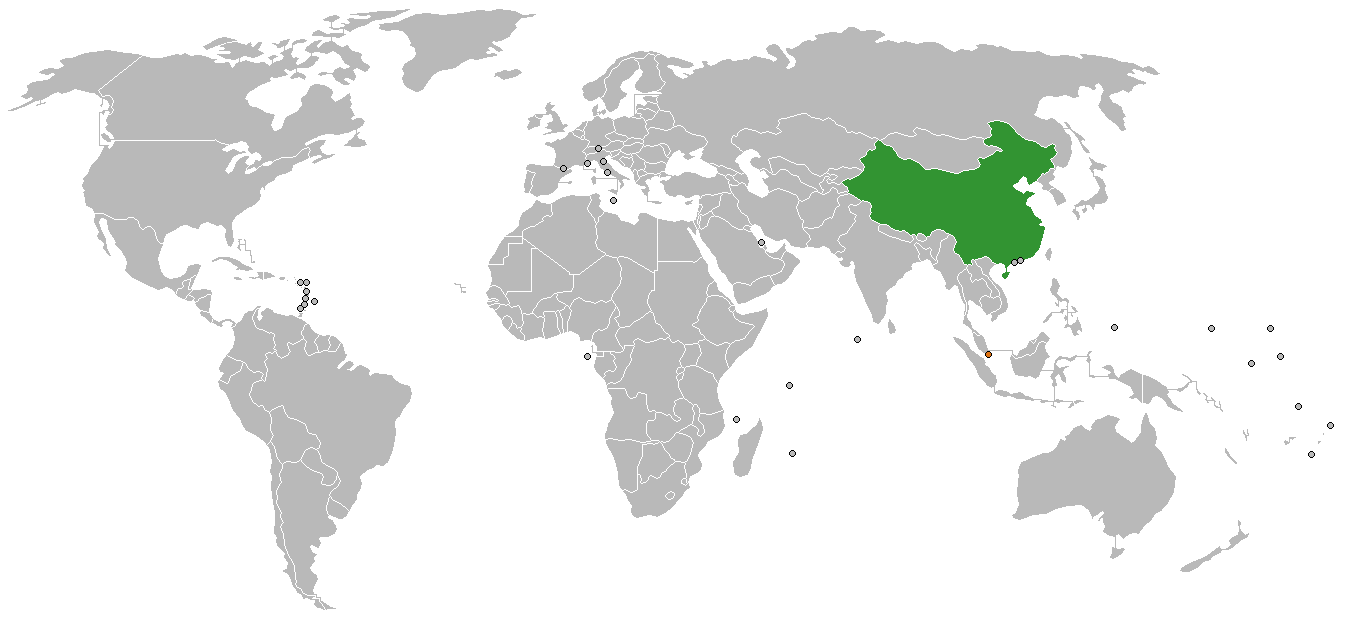
SINGAPORE,- Singapore and China have formally launched negotiations to upgrade their bilateral free trade agreement, potentially adding provisions on digital commerce, cross-border data flows and government procurement. Prime Minister Lawrence Wong met Chinese President Xi Jinping in Shenzhen on 20 November, with both governments presenting the talks as an effort to adapt an established trade relationship to emerging technologies.
The Singapore Ministry of Foreign Affairs confirmed the intended scope following the meeting. The agreement has not yet been upgraded: an announcement that negotiations have begun is not an enacted change to the rules businesses must follow today.
Why another update is needed
The China-Singapore Free Trade Agreement entered into force in 2009 and has undergone earlier improvements. Traditional trade agreements largely focused on tariffs, market access and procedures for goods and services. Modern businesses increasingly rely on data moving securely across jurisdictions, digital contracts and complex software-based services.
According to CNA’s report of the announcement, the intended upgrade includes the digital economy, artificial intelligence and innovation, alongside measures intended to improve the ease of doing business. These topics are significant for Singapore because its firms often manage regional operations from one location while serving customers and partners in several markets.
Cross-border data flows, for example, can support logistics tracking, online services and business analytics. But the ability to move data also brings obligations involving privacy, cybersecurity and national laws. A new agreement may reduce certain obstacles; it cannot eliminate the duty to protect customer information or override every domestic regulation.
What government procurement could mean
Rules covering public-sector purchasing can influence whether suppliers understand tenders, qualification criteria and opportunities in another market. Negotiations could improve transparency or access in selected areas, depending on the eventual commitments. Companies should wait for the final text before concluding that previously closed contracts will become available.
The governments also discussed AI collaboration and worker preparation. Joint learning, research and business development could create opportunities, but cooperation does not automatically result in shared AI models, unrestricted chip access or reciprocal rights to use all datasets. Technical and commercial implementation would have to be worked out separately.
Why the regional context matters
Singapore and China maintain extensive trade and investment links. Both also have an interest in reliable supply chains at a time when technology export controls and major-power tensions influence business planning. Wong updated Xi on Singapore’s priorities for its 2027 ASEAN chairmanship, including regional integration and energy resilience.
The bilateral relationship is only one part of Southeast Asia’s economic network. Singapore will continue to trade with many other partners while balancing the opportunities and risks of closer ties with China. For businesses, diversification and compliance remain prudent even when governments signal a more cooperative direction.
What happens next?
Negotiators must agree on the detailed legal language, any exceptions and implementation requirements. Businesses should watch for formal negotiation updates rather than assume that every item discussed by the leaders will appear unchanged in a signed pact. The practical measure of success will be whether the agreement lowers real transaction costs, improves certainty and creates usable market opportunities.
The immediate development is therefore meaningful but preliminary: two closely linked economies have chosen to update the terms of their partnership. The impact on consumers and companies will become clearer only when the provisions are published and put into effect.