BUSINESS,- A consortium submitted the highest bid of approximately S$1.82 billion for a large mixed-use development site at Town Hall Link in Singapore’s Jurong Lake District, giving a new indication of commercial interest in the planned western regional centre. The tender closed on 17 November, and the Urban Redevelopment Authority (URA) released the bids. Importantly, URA explicitly stated that the announcement was not a decision to award the land to the top bidder.
The distinction matters because land tenders are frequently interpreted as confirmed development deals. A bid reflects what a developer is prepared to offer subject to the tender process. Regulatory evaluation, contractual conditions and the final award still need to take place before the site can be regarded as secured.
What the site and bid tell us
The Town Hall Link parcel covers about 37,228 square metres, with a maximum permissible gross floor area of 186,139 square metres under a 99-year lease. It is classified as a white site, which provides scope for a combination of uses subject to planning requirements. According to URA’s tender annex, the highest bid was S$1,823,754,999, representing about S$9,797.81 per square metre of permissible gross floor area.
The second-highest bid was S$1.313 billion from a Sim Lian consortium. The wide gap between the leading offers suggests different assessments of the site’s future commercial potential and risk. It does not reveal exactly why each bidder chose its price or guarantee the eventual profit on the development.
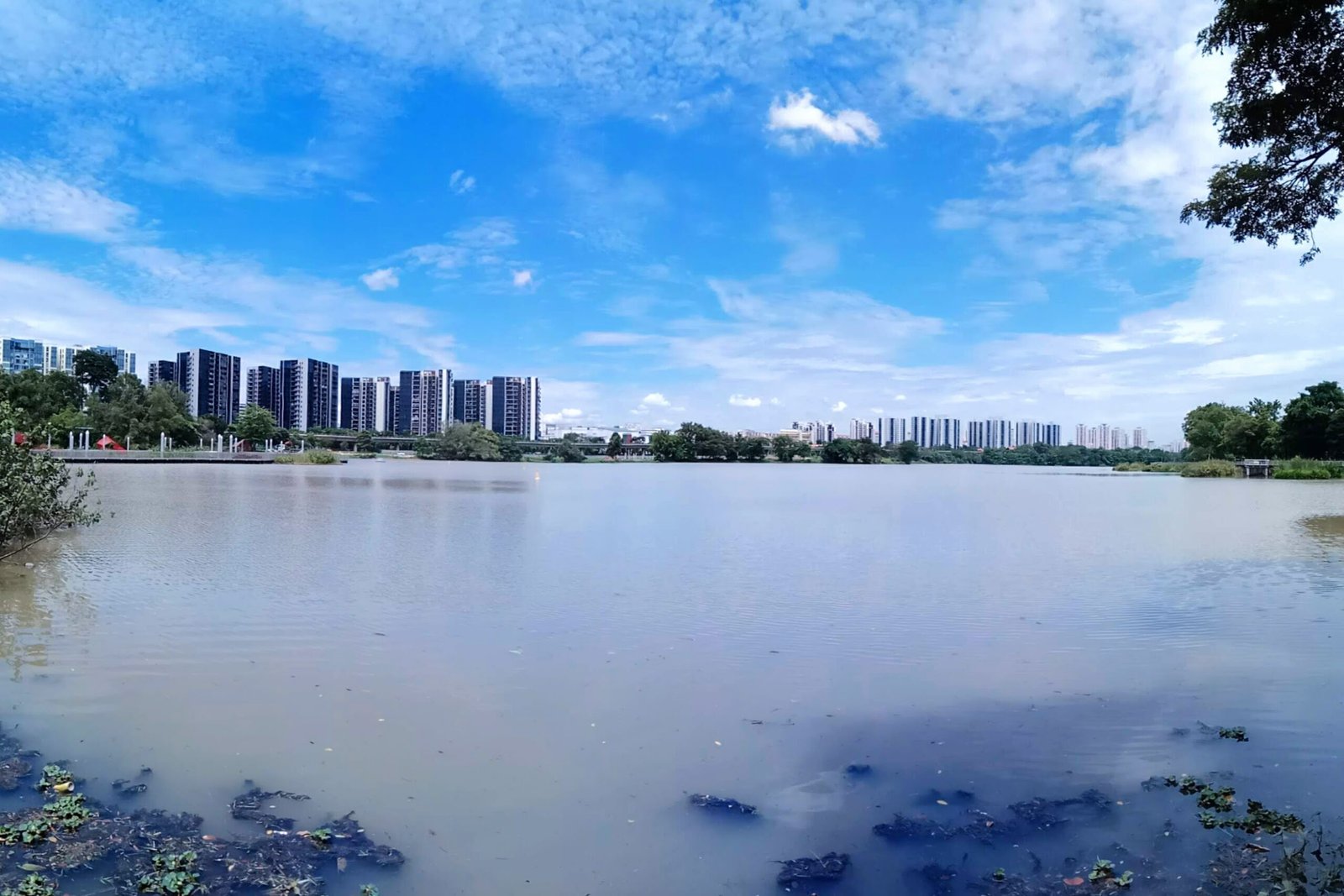
Jurong Lake District is intended to support employment, housing and amenities outside Singapore’s traditional downtown core. A large mixed-use site could contribute offices, retail or other activities to that vision, depending on the eventual approved scheme. Details about tenants, design and construction timing should not be inferred from the tender result alone.
Why developers might pay for long-term potential
Property developers value sites based on projected demand, construction costs, financing conditions, allowed density and the time needed to complete and market space. A location expected to gain transport links and amenities may attract higher bids if investors believe it will become more useful to businesses and residents.
Yet the development horizon brings uncertainty. Financing costs can change, office demand can shift as companies reorganise work and construction expenses may rise. A flexible zoning category can help developers adapt a design, but the final mix of uses must still satisfy planning and commercial requirements.
The Jurong Lake District information portal identifies the site as part of broader planning for the area. The project’s value therefore depends partly on nearby transport, public spaces and other developments progressing in a coordinated way.
What the bid means for the wider property market
A strong offer at one site can signal confidence in a particular location, but should not be generalised into evidence that all Singapore offices or commercial properties are rising in value. Different districts face different vacancy rates, development costs and tenant markets.
If the site is eventually awarded and built, businesses in construction, engineering, facilities management and retail could see opportunities. The size and timing of those effects cannot be established from the bid alone.
The next step is URA’s tender evaluation and formal announcement of an award. Until then, the confirmed development is a competitive bidding result. The bigger question is whether Jurong Lake District can attract sustained demand strong enough to justify major private investment over the long term.