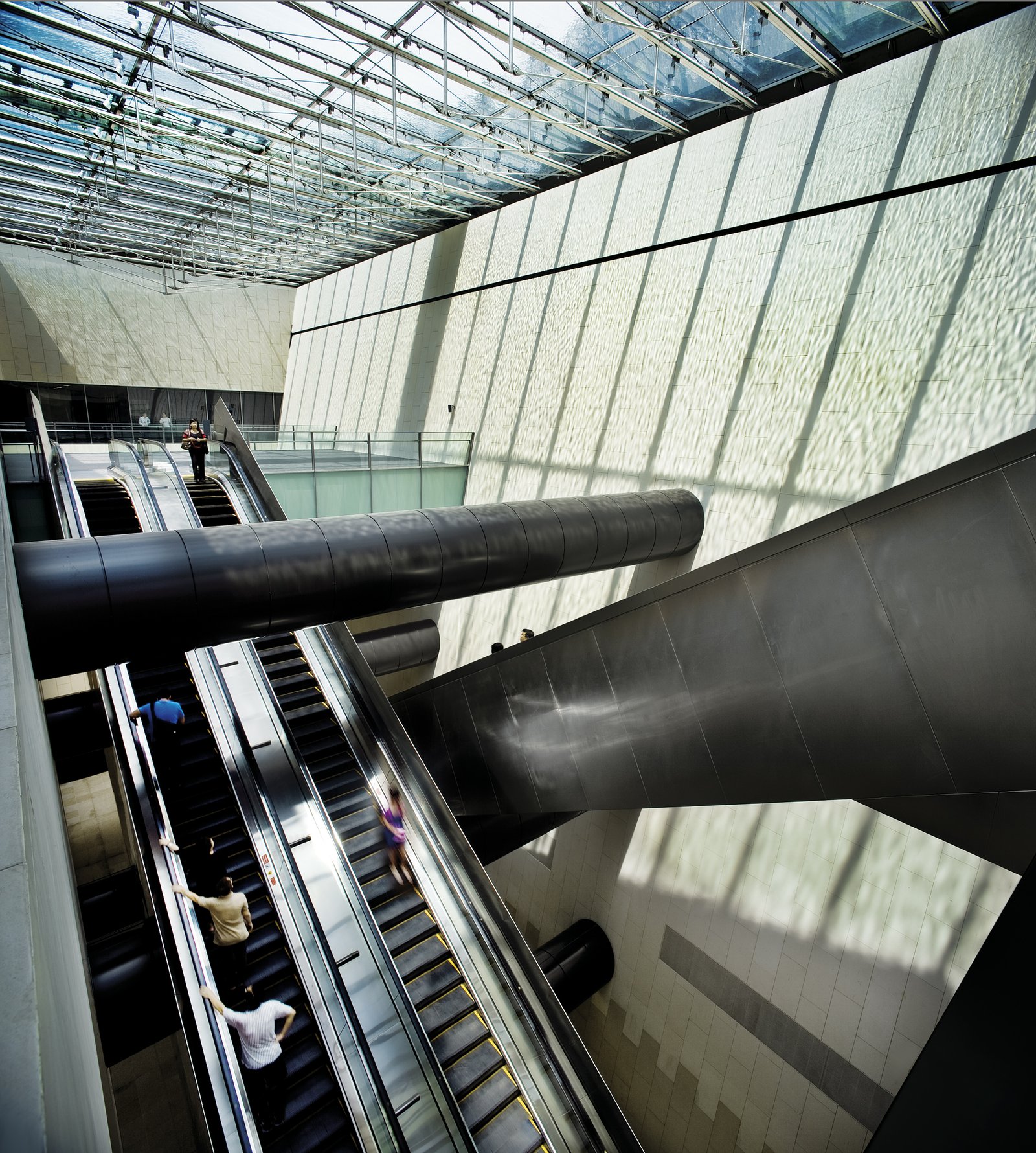
SINGAPORE,- More than 500 escalators across Singapore’s MRT network are set for a major upgrade, with work on the first 290 machines beginning on 17 December 2026. In a joint announcement on 19 November, the Land Transport Authority (LTA), SMRT and SBS Transit said the programme is designed to improve reliability, safety and comfort. For daily passengers, the immediate issue is less about new technology than how they will move through stations while essential escalators are out of service.
The first phase covers 290 escalators along the North-South, East-West and North East lines. These works are expected to finish by 2032. A further 237 escalators on the Circle Line will also be refurbished, but LTA has not yet announced when that work will begin. In total, the two phases cover 527 machines, although the start date published for December applies only to the initial group.
Which stations are affected?
The affected locations include busy interchanges and neighbourhood stations. On the North-South Line, examples include Woodlands, Toa Payoh, Orchard and Somerset. The East-West Line includes Tanah Merah, Tanjong Pagar and Changi Airport, while North East Line locations include HarbourFront, Chinatown, Dhoby Ghaut, Serangoon and Punggol. The station list reported by CNA gives a sense of how widely commuters may encounter the works.
LTA estimates that each escalator will take around four to five months to refurbish. The project is not simply cosmetic. Motors, controls, steps, handrails and safety components will be replaced or upgraded, requiring extended closures and careful scheduling.
At stations with more than one escalator, the authorities say they will sequence closures so at least one upward-moving escalator remains available from platforms towards concourses and entrances. Lifts will continue operating. However, the situation can differ at pedestrian overhead bridges, where a single escalator on one side may be unavailable during repairs. Travellers should follow diversion signs and use lifts, stairs or pedestrian crossings where appropriate.
How will the new escalators improve the journey?
The upgraded units will have voice announcements for safety messages, illuminated direction indicators and better lighting. They will also support two operating speeds: a normal pace during busy periods and a slower setting when passenger volumes are lower. LTA says the slower mode could conserve energy and make the escalators easier to use for older people.
The latest project builds on an earlier programme that upgraded 231 North-South and East-West Line escalators and finished in 2022. This round includes 83 escalators on those lines that were not due for refurbishment previously, as well as assets elsewhere in the network. It reflects the less visible but essential task of renewing equipment as Singapore’s rail system ages.
What commuters should watch
The government’s announcement establishes the broad schedule, but it does not provide a single closure calendar covering every station for the next six years. A passenger planning an accessible journey should therefore check station-level notices rather than assume a particular escalator is working. People with luggage, prams or mobility difficulties may need extra time at stations affected by the phased work.
Long closures will be inconvenient, particularly at interchange stations. Yet postponing maintenance can create a different risk: unplanned failures that are harder for commuters to anticipate. The programme’s success should be judged by whether the promised alternatives remain usable, progress is communicated clearly and renewed equipment performs reliably after reopening.
For now, the practical message is to expect changes from mid-December, check directional signs and ask station staff for assistance. The objective is a safer network, but commuters will experience the transition one station and one escalator at a time.