TECH – China’s attempt to challenge Nvidia’s graphics processing dominance has moved out of the demonstration phase and into real shipments, but the road ahead remains long and complex, according to HowToGeek and recent industry reporting. Chinese firms have been striving for years to build their own GPUs that can compete with Nvidia’s iconic GeForce and data-centre chips, impressive in ambition but still early in execution.
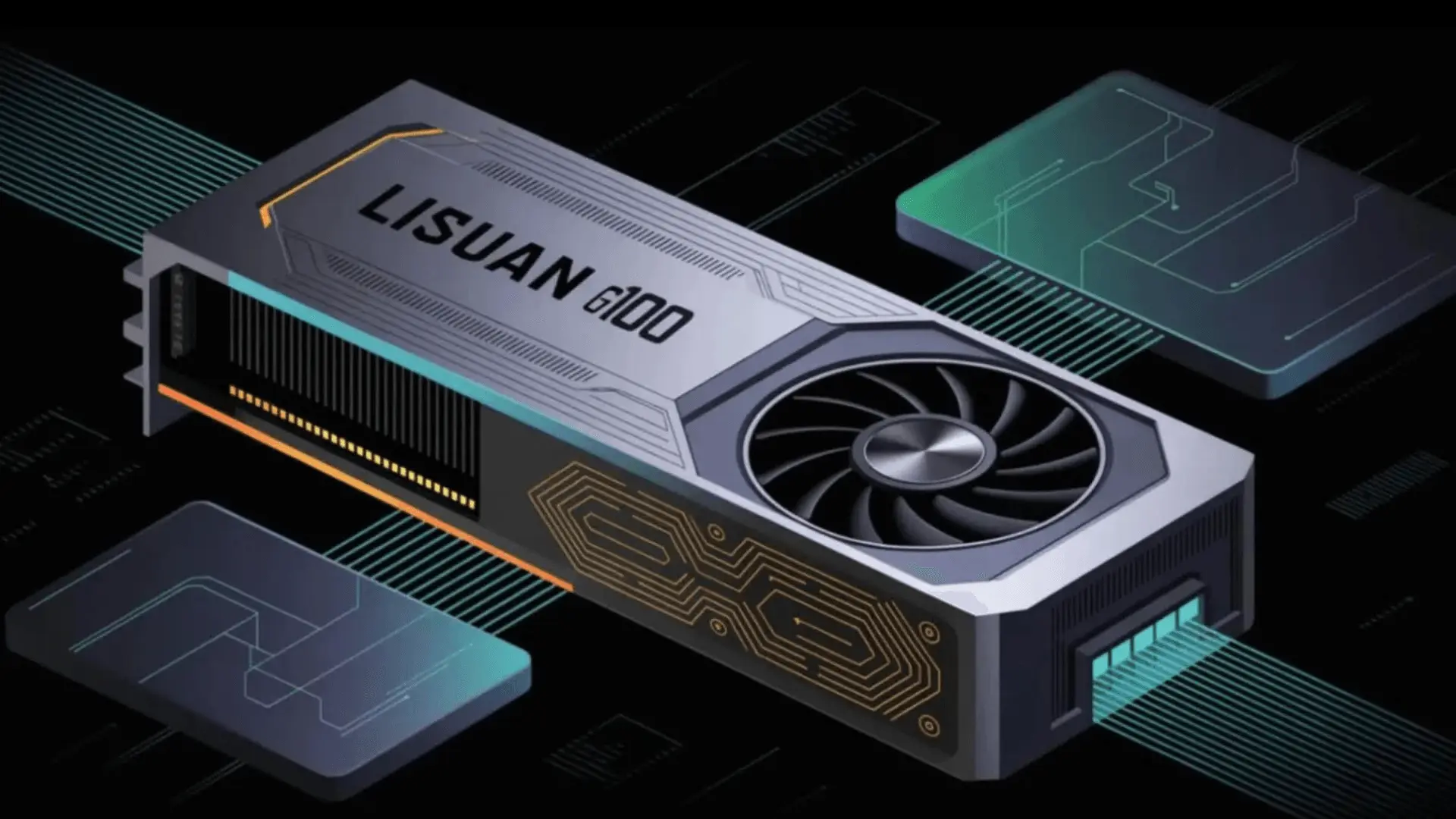
A good example of this push is Lisuan Technology’s G100 series, which has begun reaching customers in its first limited batch. These cards are among the first discrete GPUs developed in China on a modern 6 nm process, using the company’s proprietary TrueGPU architecture, and they mark a milestone in China’s bid for semiconductor self-reliance. The G100 family includes models aimed at both gaming and professional workloads, and early reports suggest the flagship 7G106 can match the performance of Nvidia’s RTX 4060-class cards, with benchmarks that hold promise for competitive mainstream performance.
Despite the excitement, challenges remain. Initial prototype tests earlier in 2025 showed the G100 scoring at levels more akin to older Nvidia GPUs in some benchmarks, a reminder that early hardware often needs refined drivers and optimisations before it can truly rival Western designs.
Read More: India’s Solar Boom Sparks Rising Waste Problem Through 2047
Moreover, competing in the GPU arena isn’t only about silicon: Nvidia’s massive software ecosystem, particularly its CUDA platform remains a huge advantage that domestic Chinese designs have yet to match in developer support and optimisation tools.
The broader momentum in China includes other companies as well.
Firms like Jingjia Micro, Moore Threads and MetaX are also part of the country’s broader GPU and computing ecosystem, each with government backing and ambitions in AI and graphics hardware. These companies are aiming to reduce reliance on imported GPU technology, a strategic goal sharpened by U.S. export controls that have limited access to Nvidia’s top chips, prompting local alternatives to emerge more quickly.
While these developments mark real progress, analysts say China’s GPU makers still lag Nvidia in raw performance leadership and broader market reach. Nvidia continues to expand its presence with newer AI-focused GPUs like the H200, even amidst export limits and shifting supply chains, and demand for its chips remains robust globally. China’s growing domestic GPU industry may narrow the gap over time, but at present it represents a credible regional competitor rather than an immediate threat to Nvidia’s global technological dominance.