SINGAPORE – Singapore’s Housing and Development Board (HDB) has announced that its long-running budget meal initiative will no longer be compulsory for coffee shops across public housing estates — a shift aimed at making the scheme more sustainable for both operators and stallholders after years of rising costs and mixed take-up, according to Channel NewsAsia.
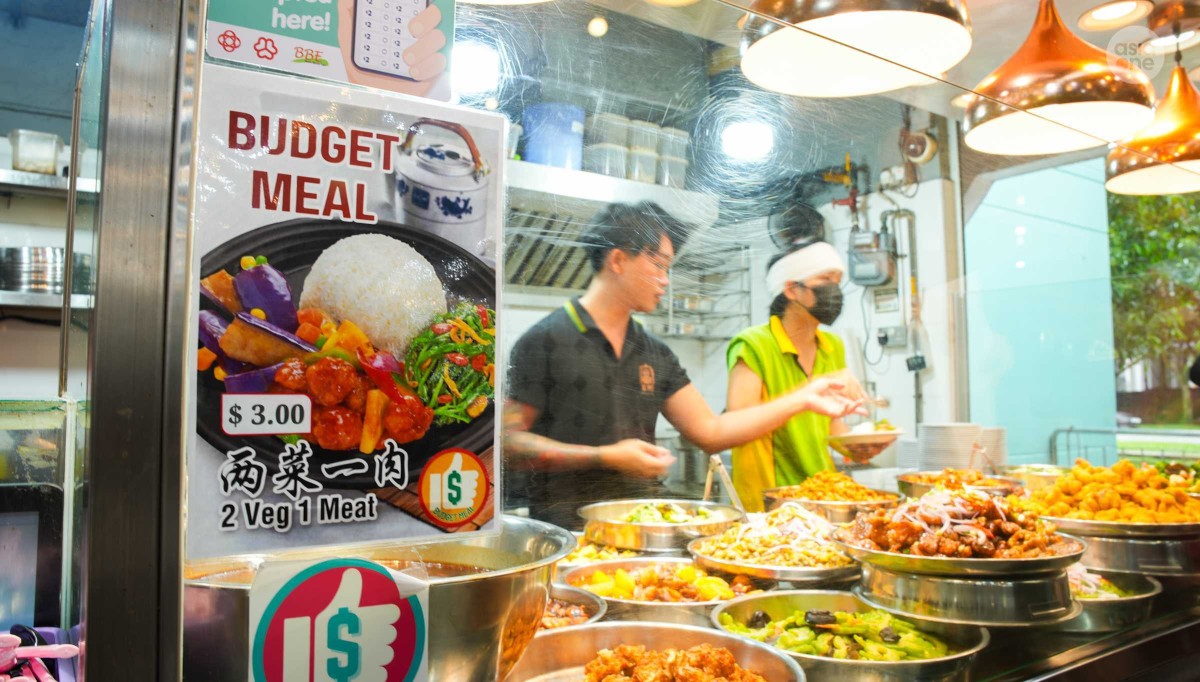
Introduced in 2018 to ensure affordable daily food options in the heartlands, the budget meal scheme previously required most HDB coffee shops to offer low-priced meal and drink combinations — often around S$3.50 for meals and about S$1.20 for budget drinks — as a condition of tenancy renewal under the Price-Quality Method framework. It was later extended to more venues, with 350 HDB rental and 48 privately owned coffee shops participating as of Dec 31, 2025, offering residents basic meal choices at modest prices.
But feedback from stall operators and coffee shop owners pointed to sustainability issues: rising operating costs, low customer demand for the budget options and uneven meal quality emerged as persistent challenges. As one industry voice told Channel NewsAsia, the earlier requirement was proving hard to maintain in the face of pressures on margins and food-price inflation, prompting HDB to re-examine the mandate.
Read More: Private Bus Driver Assists Police After Six-Car Crash on SLE
Under the updated rules, effective Jan 10, 2026, existing rental coffee shops do not have to offer budget meals when renewing their leases, and privately owned coffee shops can immediately choose to opt out. Operators who voluntarily participate in the scheme will be rewarded with extended discounts: rental or Temporary Occupation Licence (TOL) fee rebates — including a 5 percent rental discount for the full three-year tenancy — designed to offset the costs of offering affordable options. But to qualify for these financial incentives, operators must pass the full benefit on to stallholders who actually provide the budget meals, supported by signed undertakings and declarations to HDB.
Read More: Russia Debuts Ion-Based Quantum Computer Equal to 72 Qubits
In addition to making participation voluntary, HDB has standardised the budget meal requirements: instead of a variable number of meal offerings, coffee shops opting in must now provide three fixed meal choices — an economy rice plate with one meat and two vegetables, a Halal meal, and a breakfast option — along with two budget drink choices. This narrower scope is meant to simplify operations and improve consistency in portion sizes and food quality across different outlets.
HDB emphasised that the move isn’t expected to lead to a sudden disappearance of affordable meals: because most shops aren’t up for tenancy renewal yet, “there will not be a sudden change in the number of coffee shops offering budget meals,” as the board put it. But by shifting from a mandatory to a voluntary model with financial support, policymakers hope to strike a balance — maintaining accessible food choices for residents while ensuring coffee shop kitchens and stallholders are not overburdened by obligations that squeeze their viability.
The change also addresses longstanding debates over whether budget meals meet nutritional standards or truly address cost-of-living concerns, as previous assessments found none of the budget meal options met Health Promotion Board guidelines in a sample of menu offerings. By streamlining the policy and tying incentives to participation, HDB hopes to keep affordable dining alive in the heartlands without making it compulsory — a nuanced recalibration of Singapore’s approach to food affordability in public estates.