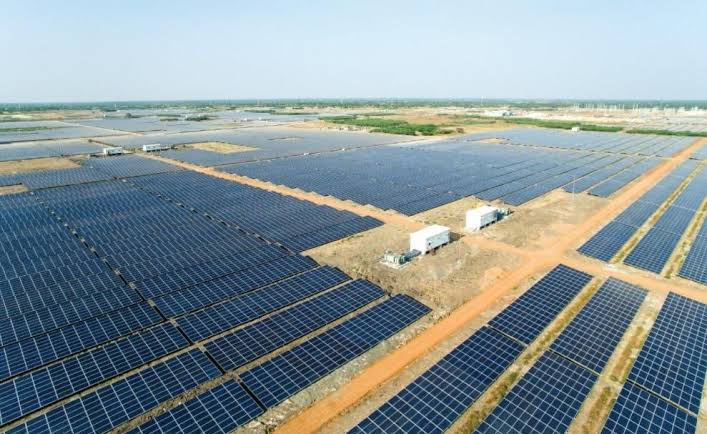
TECH – India’s renewable energy story has been a spectacular one: a decade-long surge in solar installations has vaulted the nation into the top three solar power producers globally, with vast arrays of blue panels stretching across deserts and rooftops alike. But as Interesting Engineering reports, this rapid growth now casts a long shadow — a looming waste management challenge that could transform a clean energy success story into a complex environmental headache.
Powered by government subsidies and widespread adoption, nearly 2.4 million Indian homes boast solar power systems, helping national solar capacity surpass 20 % of electricity generation and displace a significant amount of coal-fired generation. Yet the very panels that deliver carbon-free power are approaching the end of their 25-year lifespan, triggering an impending tidal wave of discarded modules.
According to projections from India’s think tank, the Council on Energy, Environment and Water (CEEW), solar waste could swell from an estimated 110,000 US tons in 2023 to a staggering 661,000 US tons by 2030 — and then explode further to more than 12 million US tons by 2047 as early installations reach retirement.
Read More: LG Reveals CLOiD Home Robot With Human-Like Hands for CES
Currently, India lacks a cohesive national strategy or sufficient recycling infrastructure to handle this oncoming surge. The country has no dedicated budget or industrial-scale facilities capable of processing the sheer volume of decommissioned panels. Far too often, outdated or broken modules are left in landfills or broken apart in informal scrap yards, where toxic trace metals, including lead and cadmium can leach into soil and water systems if not properly contained.
Even though India’s 2022 e-waste regulations require manufacturers to take responsibility for recycling, enforcement is inconsistent — especially for residential systems that frequently end up in unauthorized disposal streams. Experts say transforming this crisis into an opportunity will necessitate building a network of roughly 300 recycling hubs nationwide and investing an estimated $478 million over twenty years to professionalize recycling, extract valuable materials and mitigate environmental harm.
Solar panels are laden with recoverable metals such as silver, copper and silicon; if properly recycled, high-tech facilities could reclaim nearly 38 % of materials for reuse in new panels while preventing millions of tonnes of carbon emissions. For now, though, India’s solar waste challenge mirrors a broader global dilemma: as countries expand renewable capacity to meet climate goals, they must also plan for the end-of-life phase of clean technology to keep the transition truly sustainable rather than exchange one ecological burden for another.