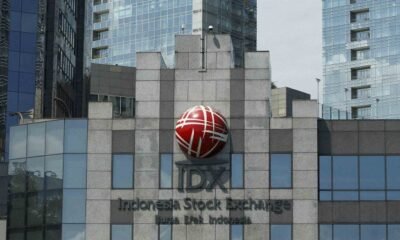
BUSINESS,- Investors are showing more interest in Singapore-listed smaller companies that clearly explain how they intend to improve returns for shareholders, according to a portfolio manager at Fullerton Fund Management. The trend comes as Singapore seeks to revive the depth and appeal of its equity market, but the benefits are uneven. Investors should distinguish a company making specific operational changes from one simply promising a higher share price.
In a 22 November Business Times report, Fullerton portfolio manager Shawn Ang described listed firms becoming more willing to engage shareholders and discuss growth or restructuring plans. That may attract buyers to businesses previously overlooked, particularly those with limited research coverage or thin trading volumes.
What does unlocking shareholder value mean?
The phrase can refer to several actions: improving profitability, simplifying a complicated corporate structure, selling underused assets, returning excess capital or communicating a credible expansion strategy. These activities can influence a company’s value, but their merits depend on costs, execution and whether the underlying business produces sustainable cash flow.
A company selling a property may generate a one-time gain without improving its core operations. A share buyback can reduce the number of shares outstanding, but it may be a poor use of money if the company neglects necessary investment. The headline action therefore matters less than the financial reasoning behind it.
Why market liquidity is part of the story
Small-cap shares can trade infrequently. That makes it harder for investors to buy or sell large positions without moving the price, and may discourage institutional funds from holding them. Stronger disclosure and investor relations can improve understanding, but cannot by themselves create a deep market.
Singapore’s efforts to strengthen the stock market include measures aimed at improving participation, research and market activity. Such initiatives may help companies access capital for growth, though individual firms still need to demonstrate financial discipline and sound governance.
According to the Singapore Exchange’s securities information, investors can examine corporate announcements, trading information and disclosures rather than relying solely on commentary about potential undervaluation. Official company filings provide the basis for checking whether promised milestones have been delivered.
What should investors examine?
A useful starting point is whether management has set measurable targets, identified capital requirements and explained when progress can be assessed. Investors may compare operating cash flow, return on invested capital and debt levels with peers. They should also check whether controlling shareholders and minority investors have aligned interests.
A company that articulates a strategy more clearly may receive a better valuation, but the relationship is not automatic. Broader interest rates, economic growth, sector trends and market sentiment still affect prices. A rising share price after an announcement is not proof that the strategy will succeed.
Why this matters to Singapore businesses
A credible and liquid local market can provide additional funding choices for growing firms. If investors reward transparent performance, more companies may be encouraged to improve governance and communication. On the other hand, pressure for quick valuation gains could encourage short-term decisions at the expense of long-term investment.
The latest observations are a signal of selective interest rather than evidence of a market-wide boom. The practical test will be whether companies convert their plans into improved earnings, better capital allocation and sustained investor trust.