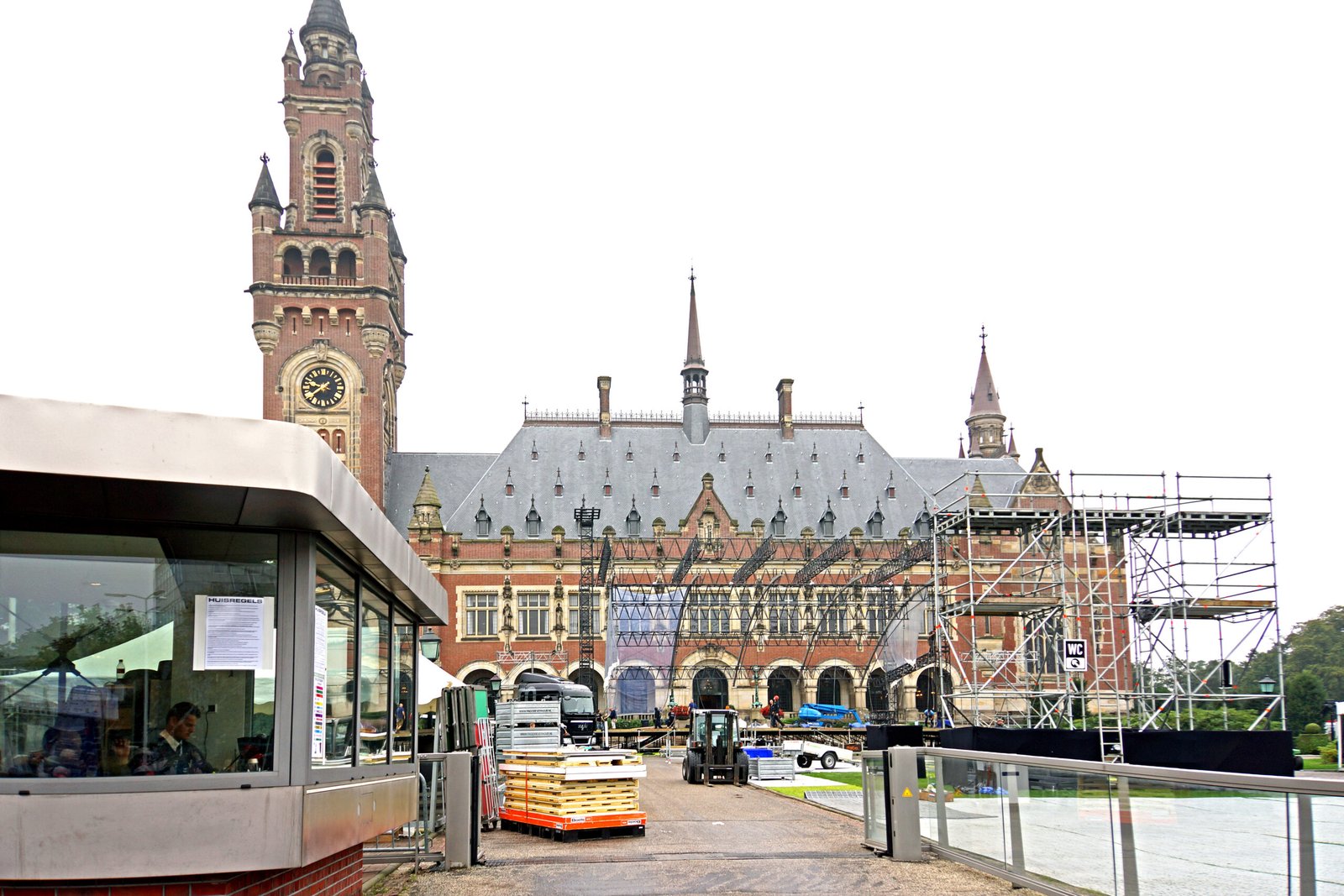
INTERNATIONAL,- The International Court of Justice has ruled that Myanmar committed genocide against the Rohingya during its military operations in Rakhine State in 2017. The binding judgment, delivered on 19 November, represents a landmark finding of state responsibility under international law. Yet for more than a million displaced Rohingya, the immediate question is whether a decision in The Hague can translate into safety, rights and meaningful reparations.
The United Nations Secretary-General welcomed the ruling, which found killings, serious harm and measures intended to prevent births carried out with genocidal intent. Myanmar’s authorities disputed that conclusion on 20 November, arguing that the operations responded to militant attacks. Their rejection does not change the legal status of the judgment.
What the court has established
The Gambia brought the case in 2019 under the Genocide Convention. The ICJ decides legal disputes between countries and does not conduct criminal trials of individual soldiers or officials. Its findings concern Myanmar’s obligations as a state, including preventing and punishing genocide and protecting relevant evidence.
The court also found failures concerning the preservation of evidence and ordered measures addressing accountability, non-repetition and reparations. The decision is final and cannot be appealed, according to the UN. It provides a legal basis for demands that Myanmar change its conduct, but cannot itself compel compliance through a police force.
Why the ruling may not immediately change conditions
A binding judgment differs from an enforceable domestic court order. International implementation often depends on diplomacy, pressure from governments and institutions, and the willingness of responsible authorities to cooperate. UN investigators emphasised the importance of the evidence they collected and the need for accountability, but evidence alone does not create a safe route home.
Most displaced Rohingya remain in Bangladesh, while others face restrictions or displacement within Myanmar. A durable return requires safety, freedom of movement, citizenship protections, livelihoods and the ability to live without renewed persecution. A government announcement that repatriation is possible is not sufficient evidence that these conditions are met.
How Bangladesh and ASEAN are affected
Bangladesh bears a considerable humanitarian burden supporting people who fled violence. Housing, healthcare and education costs continue while refugees await a more secure future. ASEAN also faces the unresolved conflict in Myanmar, which complicates diplomatic engagement and humanitarian access across the region.
Human rights organisations have urged more targeted sanctions and monitoring. Such measures require separate policy choices and may face disagreement among powerful states. Policymakers will have to assess how to pressure perpetrators without worsening hardship for ordinary people.
For Singapore and other ASEAN members, international law provides an important reference point, but political engagement and credible humanitarian pathways remain essential. The ICJ judgment is not a ceasefire agreement or a completed compensation programme.
The next stages will involve reparations proceedings, scrutiny of Myanmar’s actions and efforts to safeguard displaced communities. For victims, the ultimate test is not the historical significance of the ruling but whether accountability leads to protection, recognition and a practical path towards rebuilding lives.