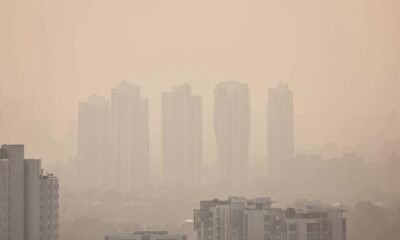
SINGAPORE – Singapore’s air quality deteriorated during the October 9–11 Formula One Grand Prix weekend, as smoke haze drifting from Indonesia pushed pollution levels into the unhealthy range and raised concerns about the health of spectators attending outdoor races and entertainment events.
According to Channel NewsAsia (CNA), all five regions of Singapore recorded unhealthy 24-hour Pollutant Standards Index (PSI) readings on October 11, ranging from 108 to 152 at 11pm. The situation followed an even worse reading on October 9, when the central region’s PSI reached 192, the highest level recorded during the 2026 haze season at that point.
The National Environment Agency (NEA) attributed the worsening conditions to smoke from fires in southern Sumatra and West Kalimantan. Winds carried the haze towards Singapore, while dry weather in parts of Indonesia increased the likelihood of fires and hotspots persisting. Although showers were forecast over Singapore and nearby areas, they were not expected to provide lasting relief if dry conditions continued across major fire-affected regions.
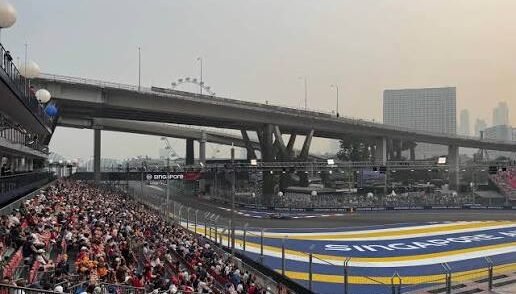
The haze coincided with the Singapore Grand Prix at the Marina Bay Street Circuit, where thousands of spectators gathered for racing and live entertainment. According to Reuters, the Fédération Internationale de l’Automobile (FIA) warned on October 8 that worsening conditions could lead to restrictions on outdoor entertainment, although the race itself was expected to proceed as planned. Organisers said they would monitor air quality and coordinate with government agencies before deciding whether adjustments were necessary.
Read More: Microsoft Plans $10 Billion Gulf Investment Through 2030
Singapore’s authorities also prepared contingency measures for a further deterioration in pollution levels. The Haze Task Force, comprising 28 government agencies, coordinated plans that included distributing N95 masks to eligible residents if the 24-hour PSI exceeded 200 and providing air-conditioned haze shelters at selected community facilities.
Schools and workplaces were also advised to follow precautions. Preschools must suspend outdoor activities and strenuous indoor exercise when conditions reach the very unhealthy range. Outdoor sporting activities may be modified or cancelled, while employers have been encouraged to limit outdoor work when necessary. School closures remain a possibility if forecasts indicate hazardous air quality, with the PSI exceeding 300.
The haze also raised concerns among Grand Prix spectators, who faced a combination of polluted air, heat and extended periods outdoors. Some visitors took precautions by wearing masks, drinking more water and limiting strenuous movement between event zones. Meanwhile, restaurants and bars around the central business district continued serving customers, including international visitors attending the race weekend.
The episode highlights the challenge of staging major outdoor events while regional environmental conditions remain unpredictable. Although the Grand Prix was expected to continue, the possibility of restricting entertainment demonstrated how haze can complicate event planning, public-health decisions and the experience of visitors attending one of Singapore’s most prominent international sporting occasions.