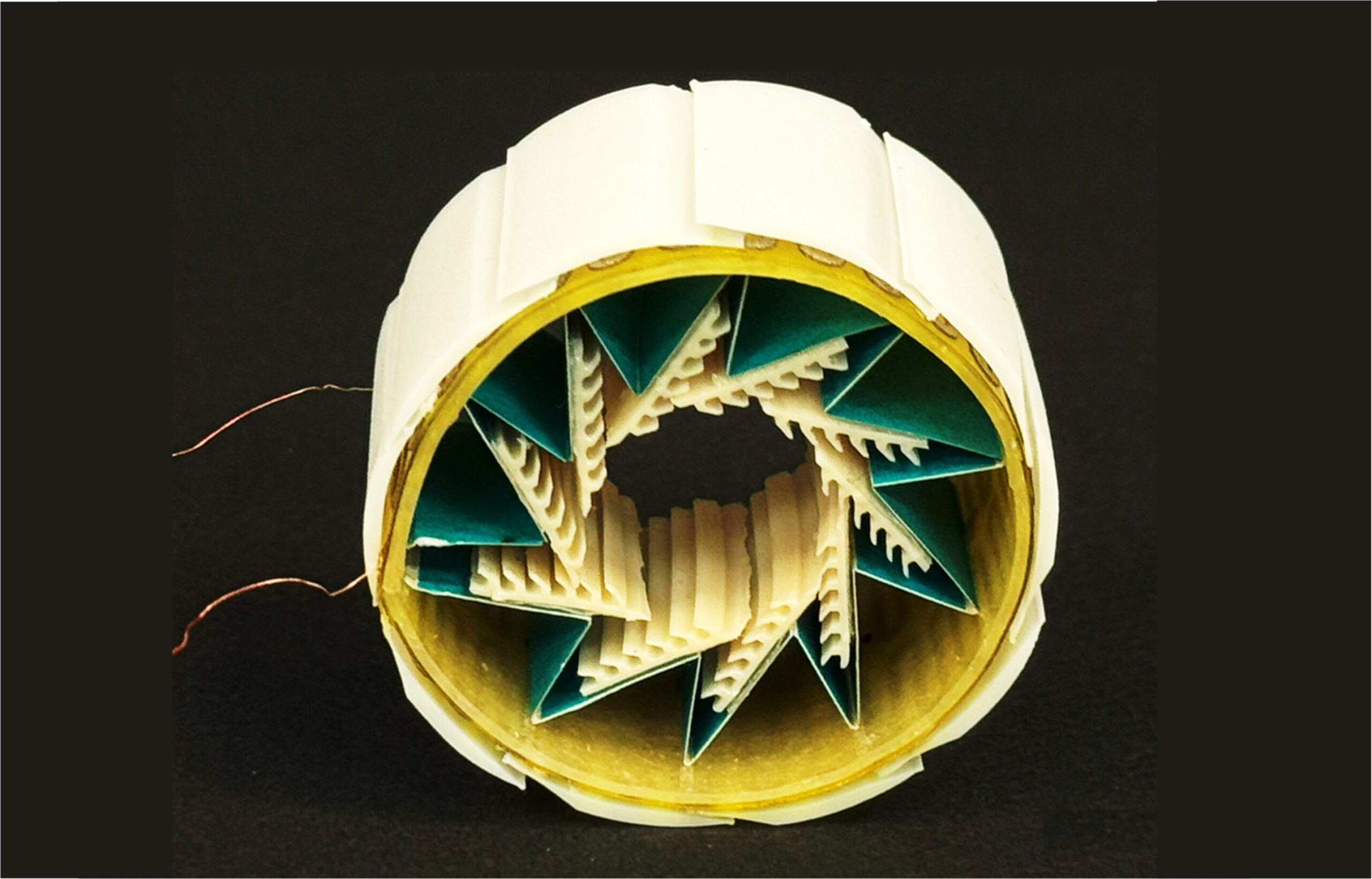
TECH – Researchers have developed a new protective shell for soft robots inspired by the armored body of an armadillo, creating a design that combines flexibility with strong impact resistance. According to a report by Interesting Engineering, the innovative structure could help future robots operate more safely in dangerous environments while still maintaining the soft and adaptable movement needed for delicate tasks. The project highlights how nature continues to influence cutting-edge engineering, especially in the growing field of soft robotics.
Soft robots are designed to bend, stretch, and move more naturally than traditional rigid machines, making them useful for medical procedures, disaster rescue missions, and interactions with humans. However, their soft materials also make them vulnerable to punctures, crushing, and mechanical damage. To solve this problem, researchers created a modular shell system inspired by the overlapping plates found on an armadillo’s body. These natural armor segments protect the animal while still allowing it to curl, twist, and move freely.
Read More: Chinese Humanoid Robot Performs Ballet With Human Grace
The research team explained that the shell uses linked rigid plates attached to flexible materials, giving the robot both mobility and protection. In laboratory tests, the structure successfully absorbed impacts while preserving movement performance. As it saya from Interesting Engineering, the system can also be customized depending on the robot’s intended function, allowing engineers to adjust the level of flexibility or protection required for specific tasks.
One of the researchers described the inspiration behind the project by noting that nature often provides elegant engineering solutions that balance strength and adaptability. The team emphasized that current soft robots often face a trade-off between safety and mobility, but the armadillo-inspired design helps reduce that compromise. “The protective shell maintains flexibility while improving resilience,” the researchers explained during the study discussion.
The technology could eventually be used in healthcare robotics, industrial automation, and exploration systems operating in hazardous environments. Engineers believe the design may also improve robotic longevity by reducing wear and tear caused by repeated movement or external impacts. As soft robotics continues to evolve, scientists are increasingly turning toward biological systems for ideas, transforming creatures once seen only in forests and deserts into blueprints for the machines of tomorrow.