Tech
Chinese Humanoid Robot Performs Ballet With Human Grace

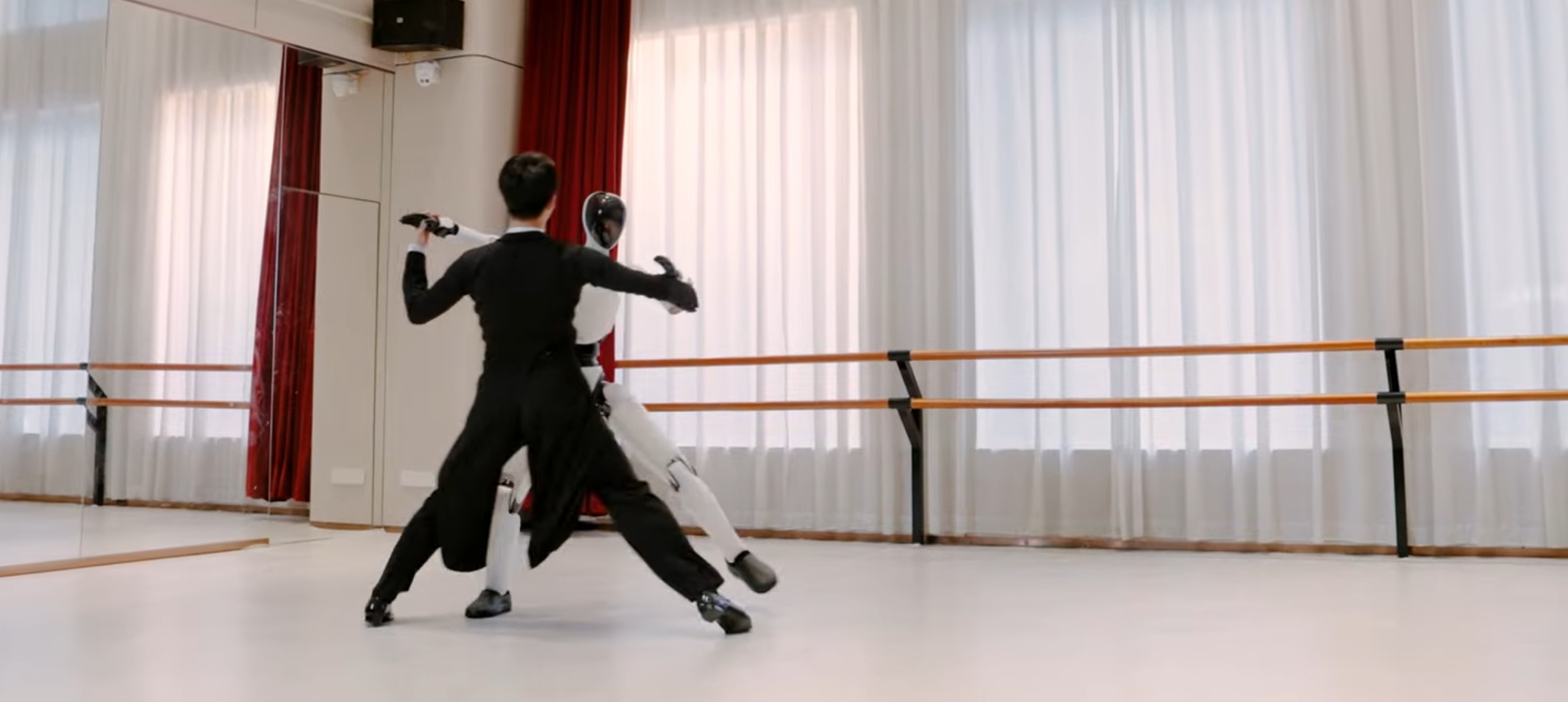
TECH – A humanoid robot in China is turning heads online after performing ballet movements with a level of balance and fluidity rarely seen in machines. According to Interesting Engineering, the robot, developed by Chinese robotics company Unitree, demonstrated a series of dance motions including spins, arm extensions, and controlled footwork that resembled the elegance of a trained ballet performer rather than the stiff mechanics typically associated with humanoid robots.
The performance quickly gained attention across social media, where viewers expressed both amazement and curiosity about how rapidly robotic motion has evolved. In the demonstration video, the humanoid robot executes complex balancing maneuvers while maintaining posture and coordination with remarkable precision. At moments, the machine appears almost weightless, gliding through movements that would challenge many human beginners. Somewhere, a dance instructor probably whispered, “Good posture,” while a software engineer quietly cried tears of joy.
Read More: RTX Builds AI Radar That Can Rewrite Its Own Code
What makes the achievement particularly significant is the level of motor control required. Ballet demands extraordinary coordination, balance, flexibility, and timing. For a humanoid robot, even standing steadily on two legs during dynamic movement is a difficult engineering challenge. Researchers explained that the robot relies on advanced reinforcement learning systems and motion-control algorithms that allow it to continuously adjust body positioning in real time.
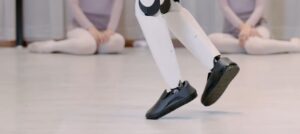
The feet of the UBTECH Walker C1 robot can balance like a professional ballet dancer.
The machine also uses high-performance joint actuators designed to mimic the responsiveness of human muscles. Combined with real-time environmental perception, these systems help the robot maintain stability while shifting weight between movements. Unlike older robots that moved through rigid pre-programmed sequences, newer humanoids can adapt dynamically, correcting themselves almost instantly if balance begins to drift.
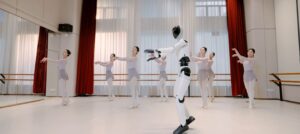
UBTECH Walker C1 is performing a ballet dance with ballet dancers.
Unitree has become increasingly prominent in the global robotics industry by focusing on agile humanoid and quadruped systems. The company’s latest demonstrations reflect a broader trend in robotics development, where engineers are no longer satisfied with machines that simply walk or lift objects. The new goal is natural movement—robots that interact with the physical world in ways that feel intuitive and human-like.
One engineer involved in the project reportedly stated that the company aims to create robots capable of functioning safely in human-centered environments, from homes to workplaces. Graceful movement is not merely aesthetic; smoother motion also improves efficiency, balance, and safety during interaction with people.
Read More: Figure Helix02 Enables Humanoid Robots to Work 8-Hour Shifts
The ballet performance may look like entertainment on the surface, but experts say it represents deeper technological progress in AI-driven motion planning and robotics engineering. Tasks requiring delicate balance and coordinated movement are often considered major milestones because they reveal how effectively a machine understands its own body mechanics.
For now, the sight of a humanoid robot performing ballet remains both fascinating and slightly surreal. Machines once struggled to walk across a room without falling over. Now they are pirouetting under stage lights, as if the future accidentally wandered into a theater rehearsal.