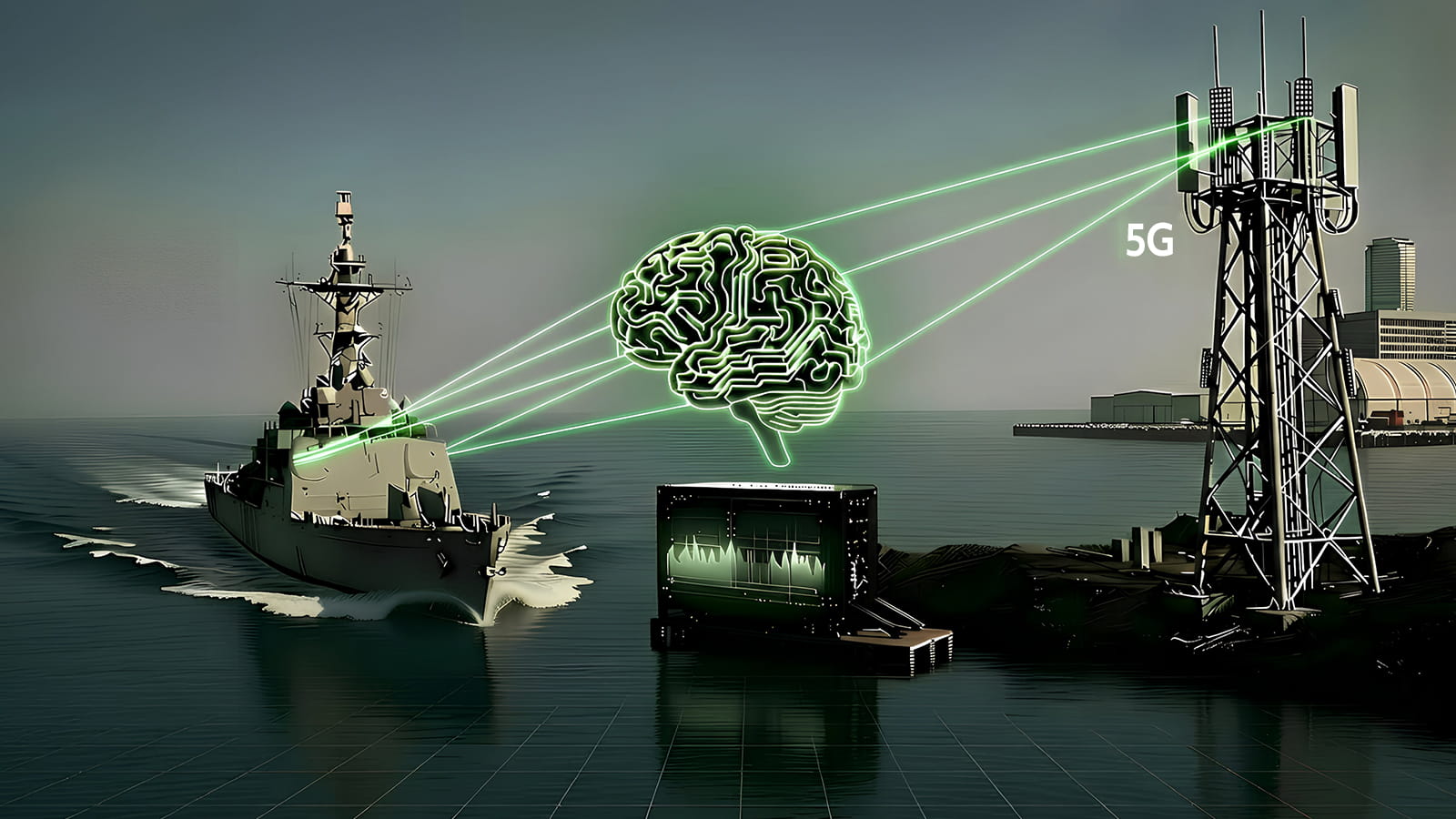
TECH – Defense technology giant RTX is developing a next-generation radar system that can effectively rewrite its own software in real time, a breakthrough that could dramatically change the future of electronic warfare and battlefield intelligence. According to Interesting Engineering, the system is designed to adapt automatically to emerging threats without waiting for human engineers to manually update the software, giving military operators a much faster response capability in rapidly changing combat environments.
Traditional radar systems rely on fixed programming and periodic software upgrades. While effective, those systems can struggle when facing unfamiliar tactics, new jamming methods, or rapidly evolving electronic threats. Updating them often requires engineers to analyze the problem, rewrite code, test the changes, and deploy updates—a process that can take weeks or even months. On a modern battlefield, that kind of delay can feel like trying to patch a leak while the ship is already underwater.
Read More: New Color LiDAR Gives Machines Human-Like Vision Powers
RTX’s new concept changes the equation by using artificial intelligence and machine learning to continuously modify radar behavior while the system remains operational. Rather than following rigid instructions, the radar can assess environmental conditions, recognize interference patterns, and alter its own signal-processing strategies dynamically. In essence, the radar learns as it operates.
The project is being developed under the Defense Advanced Research Projects Agency’s (DARPA) “Amorphous Software” initiative. The goal is to create military systems capable of autonomous software evolution, reducing dependence on traditional coding cycles. RTX researchers explained that the radar can restructure portions of its own code architecture to improve detection and survivability against hostile countermeasures.
One company representative described the technology by saying, “The system can adapt at machine speed.” That phrase captures the core ambition behind the project: enabling defense systems to react faster than human programmers possibly could. In modern warfare, milliseconds increasingly matter as much as missiles.
The adaptive radar is expected to help military platforms identify threats in highly contested environments where enemies actively attempt to jam or deceive sensors. By modifying itself continuously, the radar could remain functional even when facing unknown attack techniques. Analysts note that this flexibility may become critical as artificial intelligence transforms both offensive and defensive military technologies.
Read More: New Catalyst Turns CO2 Into 110 Pounds of Fuel Daily
Beyond defense applications, the underlying concept could eventually influence civilian systems that depend on rapid signal analysis, including aviation, communications, and autonomous navigation. However, experts also caution that self-modifying software raises new cybersecurity and oversight concerns. A machine capable of rewriting itself is impressive, but it also demands rigorous safeguards to ensure reliability and control.
For RTX and DARPA, the project reflects a broader shift in military strategy: future systems may no longer wait for updates from programmers. Instead, they could evolve independently in real time, adapting to threats almost like living organisms responding to danger.