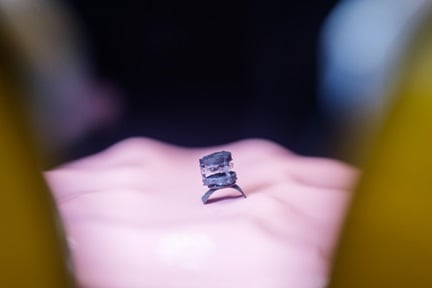
TECH – Scientists at Nanyang Technological University have developed a new generation of miniature robots that could one day assist surgeons in performing highly precise medical procedures inside the human body. According to a report by The Straits Times, these tiny robotic devices are designed to navigate through narrow spaces with exceptional accuracy, potentially opening new possibilities for minimally invasive surgery and advanced medical treatments.
The robots, created by researchers at NTU Singapore, are significantly smaller than conventional surgical tools and are capable of moving through complex environments that would be difficult for larger instruments to access. Their compact size allows them to operate in confined areas of the body while minimizing damage to surrounding tissues. Researchers believe the technology could help doctors perform delicate procedures with greater precision and reduced risk to patients.
One of the key challenges in modern surgery is reaching hard-to-access areas without making large incisions. Traditional procedures often require surgeons to navigate around sensitive organs, blood vessels, and nerves. The NTU team addressed this issue by designing tiny robots that can be controlled remotely and maneuver through intricate pathways. According to The Straits Times, the devices can perform tasks such as grasping, manipulating, and interacting with tissue in ways that may eventually enhance surgical outcomes.
Read More: Robotic Hand Plays Piano With Human-Like Precision
The researchers explained that the robots are inspired by advances in soft robotics and microengineering. Their flexible design enables them to adapt to changing environments inside the body while maintaining stability and control. Such capabilities could prove valuable in procedures involving the brain, gastrointestinal tract, or other delicate regions where precision is critical.
Speaking about the project, members of the research team emphasized that the goal is not to replace surgeons but to provide them with more advanced tools. The technology is intended to work alongside medical professionals, improving their ability to perform complex interventions safely and effectively. The researchers noted that continued testing and refinement will be required before the robots can be used routinely in hospitals.
Seen from a broader perspective, the development reflects the growing convergence of robotics, engineering, and medicine. As researchers continue improving miniature robotic systems, future patients may benefit from procedures that are less invasive, more accurate, and faster to recover from. The work at NTU demonstrates how innovations developed in research laboratories today could eventually reshape the operating rooms of tomorrow.