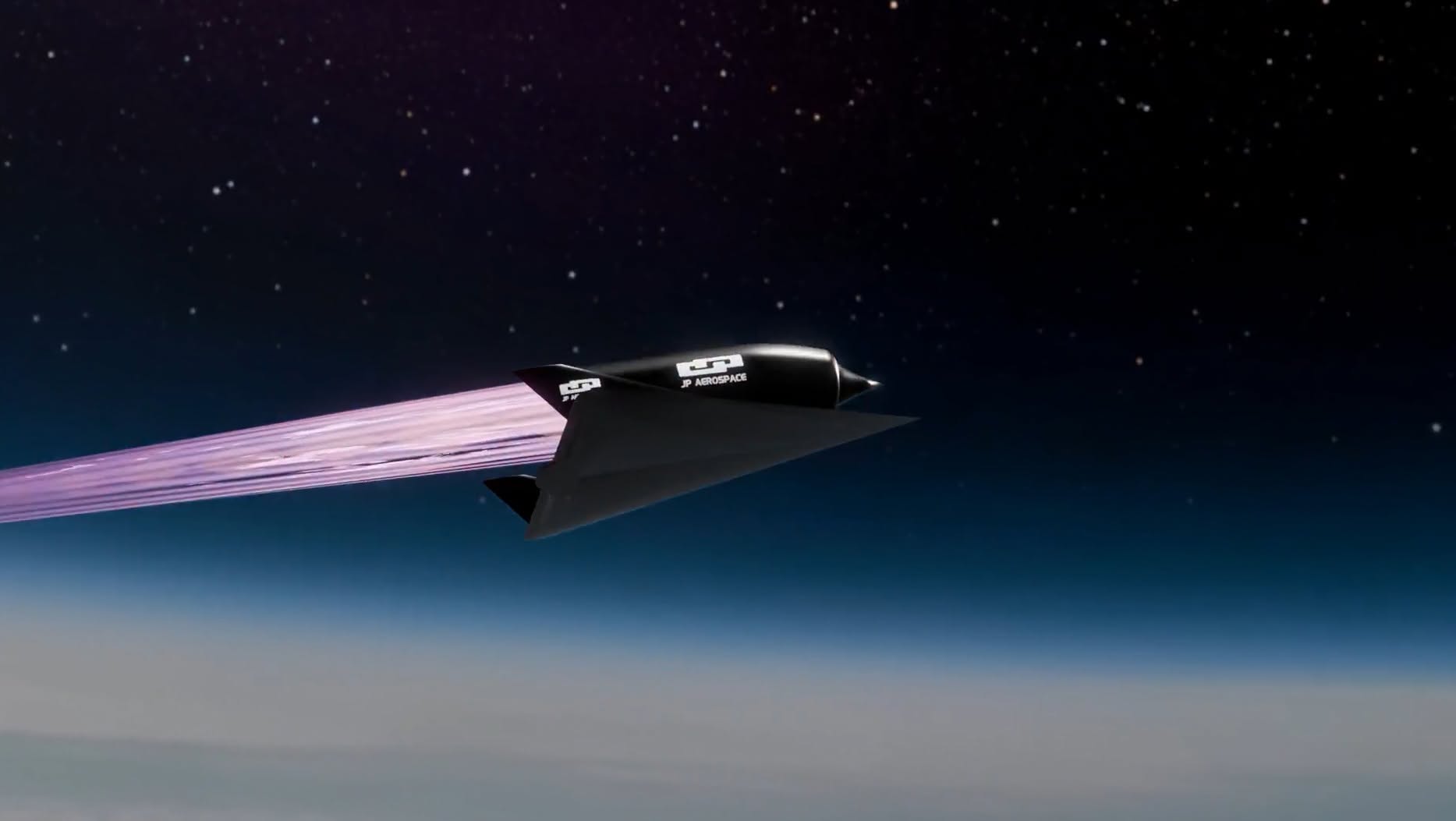
TECH – Reaching orbit without a rocket sounds like science fiction, but that’s exactly the long-term bet a small volunteer-run group has been quietly pursuing for decades. According to Interesting Engineering, JP Aerospace has released new computer-generated images of its proposed Hazel vehicle, offering a fresh glimpse at an unconventional plan for getting people and cargo into space using lighter-than-air technology instead of traditional rocketry.
The newly shared visuals depict a dark, wing-shaped aircraft peeling away from a pair of massive balloons linked by a long structural truss, a high-altitude airship the company calls SuperTandem. Company president John Powell shared the images himself, describing them simply as “stills from the upcoming Hazel video” while confirming they’re concept animations rather than footage of an actual flight.
That framing matters, because Hazel exists purely on paper and in renderings for now. JP Aerospace, which brands itself “America’s Other Space Program,” has operated as an all-volunteer nonprofit under Powell’s leadership for more than four decades. Its broader Airship to Orbit concept imagines a slow, staged journey rather than a rocket’s violent sprint: a stratospheric airship would first carry passengers and cargo to a high-altitude waypoint called Dark Sky Station, after which a much larger orbital airship would use electric engines to gradually build up to orbital velocity, a process expected to take several days rather than minutes.
Read More: DeepSeek Turns to Huawei Chips as Nvidia Loses China Ground
The group does have a track record worth noting. Back in October 2011, its Tandem airship, built from two balloons joined by a 30-foot carbon-fiber truss, climbed to 95,085 feet above Nevada’s Black Rock Desert, setting an altitude record for that class of vehicle at the time. Powell has said that earlier project cost around $30,000 and took five years to complete, reflecting the organization’s shoestring, grassroots approach. The team has also run roughly 200 smaller research flights carrying student payloads through its long-running PongSat program.
What hasn’t happened yet is any public confirmation that the larger orbital-class airships central to the whole concept have actually been built or tested, and no flight date or technical specifications for Hazel have been announced. For now, the images stand as a conceptual preview rather than proof that this unusual path to space is any closer to reality.