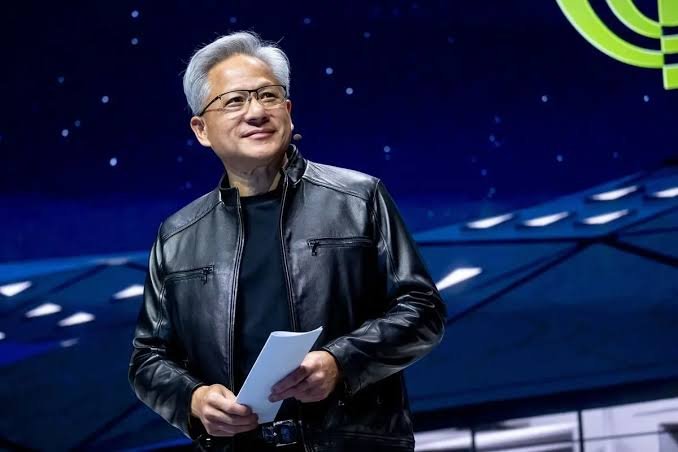
BUSINESS – Nvidia has been thrown into an unexpected leadership crisis after co-founder and CEO Jensen Huang resigned, sending shockwaves through the technology industry and raising concerns about the future of the artificial intelligence boom. According to Reuters, the 63-year-old executive stepped down on November 12 following revelations about alleged extramarital relationships, including one involving a Chinese businesswoman suspected by US authorities of having links to Beijing’s intelligence operations.
Nvidia Chief Financial Officer Colette Kress has been appointed interim CEO while the company searches for a permanent successor. Huang will also leave the company’s board, ending more than three decades of leadership at the chipmaker he helped build into one of the world’s most valuable technology businesses. Harvey Jones, a former Synopsys CEO and longtime Nvidia director, has been appointed the company’s first board chair.
The controversy has developed over several days. Reports linked Huang to Alice Huang, a former executive at Singapore-based cloud provider Megaspeed, which had priority access to Nvidia chips. US intelligence officials reportedly suspected she was working for Chinese intelligence, although Beijing has rejected the allegation. The US Justice Department has not reached a final conclusion about her alleged espionage activities. A separate report also described an alleged relationship between Huang and a senior Nvidia employee.
Read More: China Blocks SoftBank’s $5.4 Billion ABB Robotics Acquisition
The scandal could have consequences beyond Nvidia’s management structure. Huang had strongly supported maintaining access to China’s technology market, while US lawmakers from both parties are increasingly calling for stricter restrictions on advanced semiconductor exports. The controversy has also intensified scrutiny of Commerce Secretary Howard Lutnick, who supported efforts to ease certain chip sales to China.
Nvidia’s departure from Huang’s leadership comes at a sensitive moment for the AI sector. The company’s investments in cloud providers, suppliers and research laboratories have helped finance the infrastructure behind the industry’s rapid expansion. Its shares fell 4.3% following the announcement, while competitors AMD and Broadcom gained around 6%.
ClearBridge Investments portfolio manager Michael Feldman warned that the biggest concern was execution, saying, “Jensen has been the chief conductor of an extraordinarily complex system.”
Meanwhile, Kress acknowledged the difficult transition in a staff memo, describing the period as “extraordinarily difficult.” Nvidia now faces the challenge of maintaining its technological momentum while investors and policymakers closely watch its next leadership decisions.