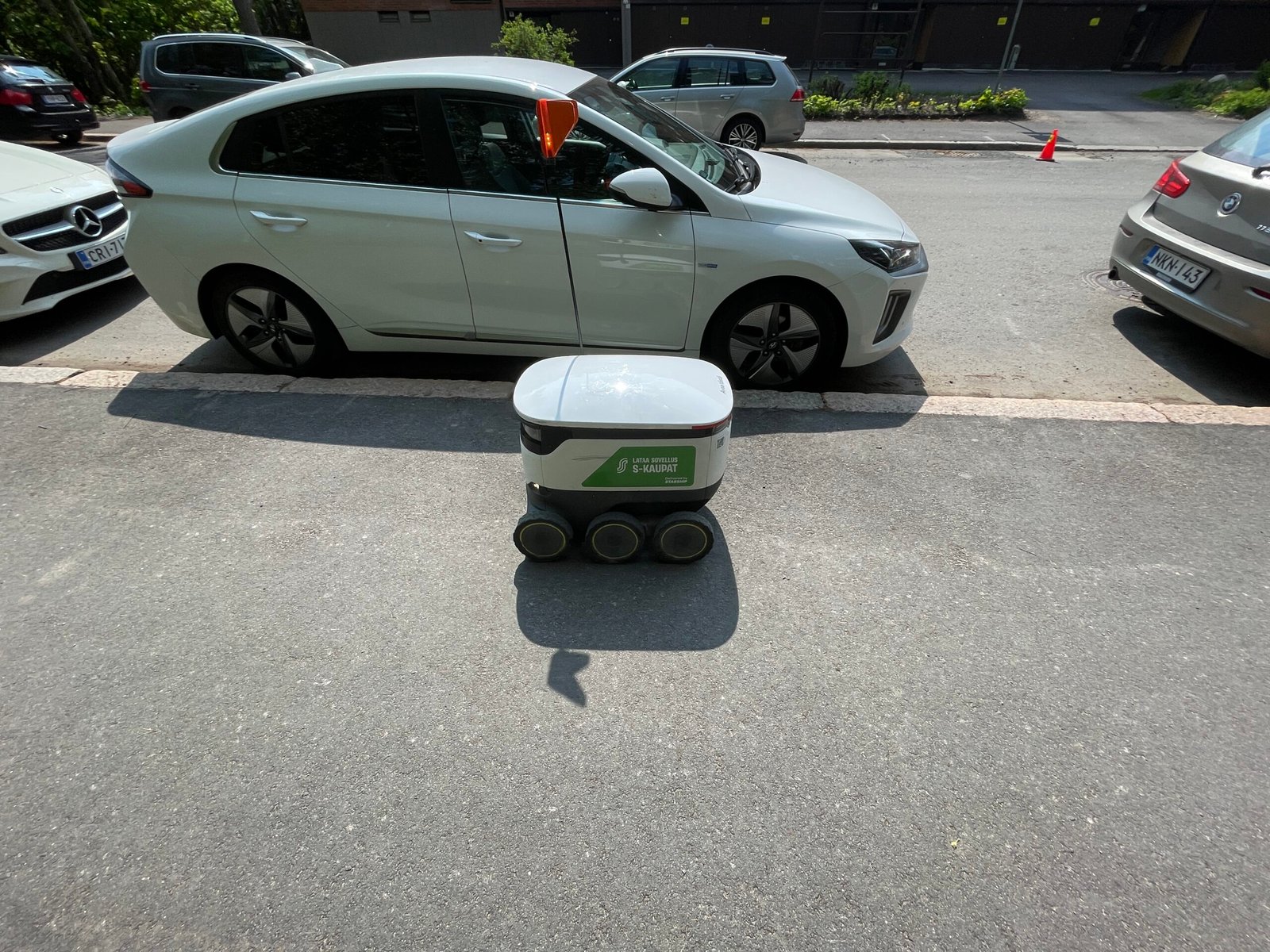
TECH,- Chinese autonomous logistics company Neolix has announced that it received Singapore Land Transport Authority Milestone 1 approval for its Xolra 6 delivery vehicle, allowing it to progress towards public-road testing under the city-state’s staged assessment framework.
TNGlobal reported on 25 November that the approval followed assessments at Singapore’s Centre of Excellence for Testing and Research of Autonomous Vehicles at Nanyang Technological University. The milestone marks an advance beyond initial closed-site testing, rather than permission for unrestricted commercial deployment.
Why the distinction matters
Autonomous vehicles must perform reliably in environments containing moving vehicles, pedestrians, changing road conditions and unexpected obstacles. Closed-site tests allow assessors to examine defined capabilities before vehicles encounter the greater complexity of public roads.
Startup Researcher also reported the testing approval and noted that additional regulatory steps would be necessary before commercial operations. The specific public-road trial arrangements and future deployment schedule remain subject to further developments.
The logistics opportunity
Autonomous delivery vehicles are being explored as a potential way to improve the efficiency of selected logistics tasks. They may be particularly relevant for repetitive movements within defined areas, where operators can plan routes, understand delivery requirements and provide suitable supporting infrastructure.
Their economic value nevertheless depends on more than replacing a driver. Businesses must consider vehicle acquisition, maintenance, charging, communications, supervision and integration with existing warehouse or delivery systems. The cost of human oversight and the handling of unusual situations remain important considerations.
Safety and accountability
Singapore’s staged approach provides a mechanism for assessing technology before wider deployment. Operators must demonstrate that their systems perform appropriately under relevant conditions and establish procedures for responding when normal operations cannot continue.
For the public, safety is closely connected to transparency. People need to understand where trials are taking place and which organisations are responsible for the vehicles. Operators also need reliable ways to report incidents, review performance and address problems identified during testing.
Regional implications
Neolix’s entry into Singapore reflects broader interest in automated logistics across Southeast Asia. Different cities have distinct road networks, regulatory frameworks, weather conditions and patterns of pedestrian activity. Successful trials in one market do not automatically establish that the technology is suitable for all other markets.
The next milestones will therefore matter more than the initial approval alone. Logistics companies should monitor the conditions of subsequent trials, demonstrated reliability and evidence of viable operating costs. For Singapore, the announcement represents another step in evaluating autonomous transport, with wider commercial use dependent on further assessment and approval.
Operators will also need to evaluate delivery handovers. A vehicle arriving at a destination is only one component of a completed shipment: loading, confirmation of receipt and the handling of unsuccessful deliveries all influence the productivity of the wider logistics process.
The LTA’s assessment framework sets out the broader regulatory stages, including further assessments before wider deployment.