TECH,- Resorts World Sentosa is testing artificial intelligence and autonomous systems across its integrated resort in Singapore through a new two-year initiative called Symbiosis. Announced on 25 November, the programme is intended to explore how physical robots and digital AI applications can address operational and workforce challenges in tourism. Rather than treating automation as a single product purchase, the resort is using its operating environment as a place to evaluate different technologies.
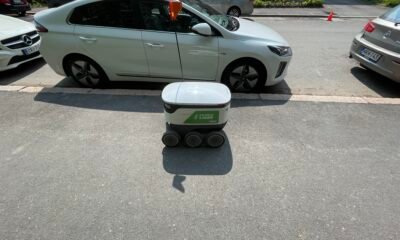
CNA reported that the trials include automated cleaning, visitor guidance and refrigerated autonomous delivery. These applications involve very different operational requirements, ranging from navigating public spaces to transporting items under appropriate conditions.
Why tourism is a demanding environment for robots
Hotels and attractions contain moving crowds, unfamiliar visitors, varying layouts and activities that change throughout the day. A robot performing well in a controlled demonstration may face additional challenges when introduced into a busy venue. Its ability to recognise obstacles, communicate with people and respond safely when conditions change is central to its usefulness.
Robots also need to work alongside existing operations. Delivery systems must connect with order preparation and collection processes, while cleaning machines need schedules, maintenance and procedures for handling tasks they cannot complete. The technology’s value is therefore determined by the entire workflow, not merely its autonomous capability.
AI training beyond physical automation
The Straits Times reported that the initiative also includes virtual simulations for employees practising challenging guest interactions. Digital training can potentially offer more opportunities for staff to rehearse scenarios without arranging a live exercise each time.
However, assessment tools need to account for different communication styles, languages and cultural expectations. A simulation cannot fully reproduce the complexity of a real interaction, and its evaluation criteria should be reviewed by trainers rather than assumed to represent objective measures of customer service.
What employers should measure
Useful indicators include task completion rates, intervention frequency, service interruptions, operating costs and employee feedback. A delivery robot that requires frequent manual assistance may simply shift work from one team to another. Conversely, a reliable system handling repetitive tasks could allow staff to devote more attention to activities requiring judgement or interpersonal skills.
Workforce preparation is equally important. Employees may need training in monitoring equipment, reporting faults and responding when automated systems encounter unexpected situations. Technology investment should be accompanied by realistic planning for those responsibilities.
For tourism operators elsewhere in Southeast Asia, the trials provide an opportunity to observe how AI performs in a complex hospitality setting. They do not yet demonstrate that the systems will reduce costs or improve customer satisfaction across the sector. The most valuable outcomes will be evidence about where automation works, where human intervention remains necessary and how different systems can be integrated safely.