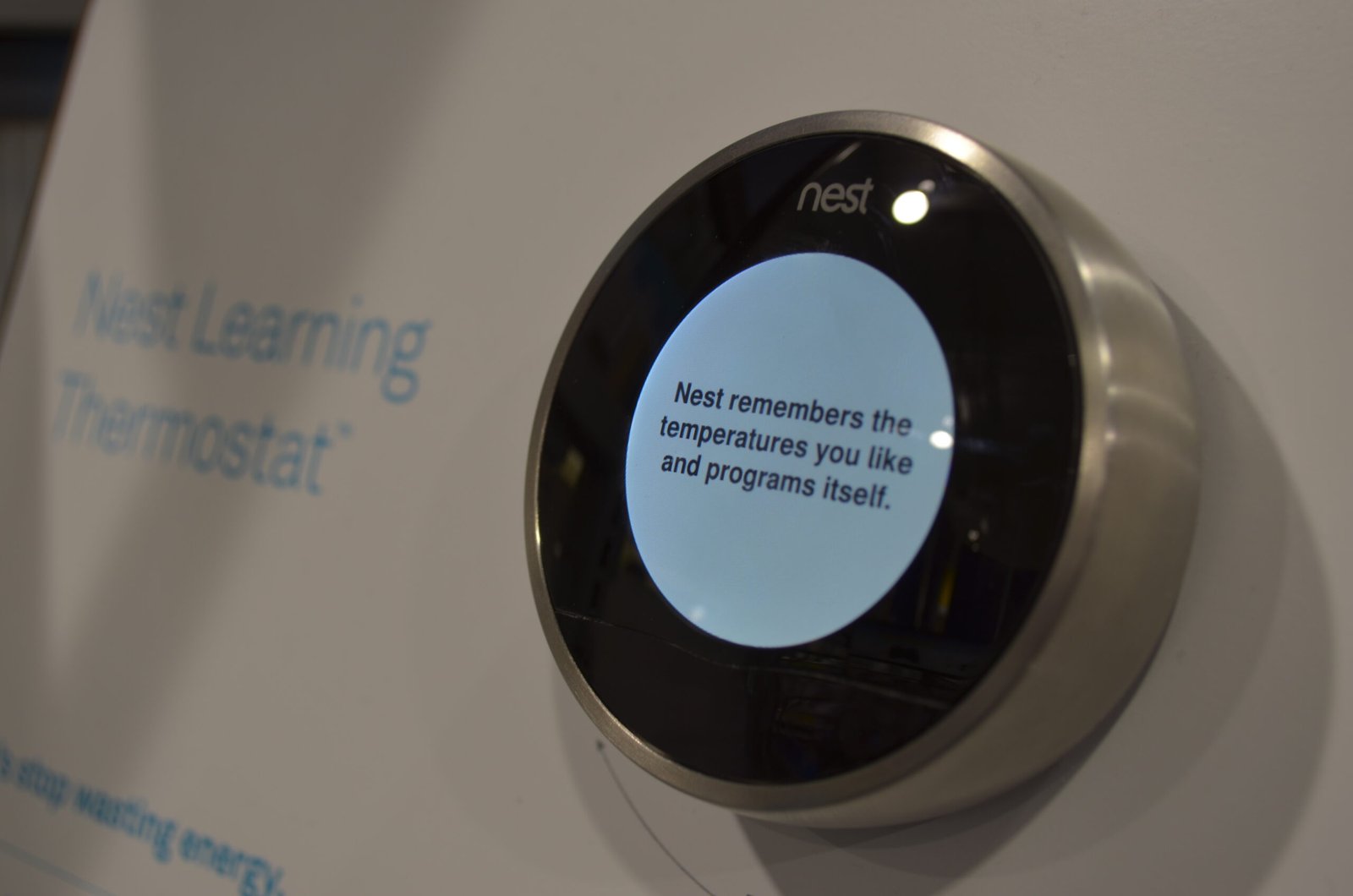
TECH,- Google has announced that the Nest app will be retired on 25 January 2027 as part of a consolidation of its smart-home services into Google Home. The change affects the way people manage compatible cameras, thermostats and other devices remotely. Owners should prepare for the software transition before the deadline, particularly if they still use an older Nest account or store video clips through the original web service.
Google’s community announcement, issued on 20 November, says devices currently supported will remain supported through the updated experience. The retirement refers to an app and service interface, not an instruction to throw away otherwise compatible hardware.
What will change on 25 January?
The Nest app on supported mobile platforms and its web interface will cease to be available. Control will move to Google Home and its web interface. Google says compatible devices and camera video history will transfer automatically from the Nest environment, subject to the account and device arrangements described in its migration guidance.
Users should not assume every historical feature is identical. Some older capabilities may not be available in the new application, even when the main controls continue to work. Households using particular automations or notification settings should check those functions during the transition.
Why older account holders need to act
Google’s transition support guide says a Google Account is required to manage devices through the new app. People who still use legacy Nest accounts should complete the migration before the January deadline to avoid losing remote access. The guide also identifies 25 March 2027 as the final migration deadline before data deletion processing begins.
Certain saved video clips created through the older Nest web service will not transfer. Users who want to keep those recordings should download them before 25 January, following Google’s instructions. Ordinary video history has different retention arrangements, so the two kinds of recording should not be confused.
What this says about smart-home ownership
Connected devices can remain physically functional for years while the software through which customers control them changes. This creates a distinction between owning hardware and depending on a service provider for remote access, notifications or historical information.
Before adopting a new smart-home device, consumers can examine support periods, account requirements and whether important functions work without an internet connection. Backing up data and keeping account recovery details current are practical ways to reduce disruption during changes.
Google also plans to replace the existing Google Assistant experience on speakers and smart displays with Gemini for Home later in 2027. That separate transition should not be confused with January’s app retirement. For now, owners’ main task is to check their account, preserve any important recordings and confirm that their essential devices are accessible through Google Home.