INTERNATIONAL,- Chinese Foreign Minister Wang Yi has urged Switzerland to help facilitate a resolution of trade differences between China and the European Union, during discussions with his Swiss counterpart on 23 November. The appeal highlights Beijing’s effort to maintain economic links with European countries while trade and technology tensions remain difficult. Switzerland’s relationship with the EU, however, does not give it authority to settle the bloc’s disputes on its behalf.
The Chinese foreign ministry announced that Swiss Foreign Minister Ignazio Cassis would visit China from 23 to 24 November for the fifth round of strategic dialogue. During Monday’s talks, Reuters reported, Wang called for cooperation in AI and requested that Switzerland oppose Taiwan independence through concrete action.
Why Switzerland is a distinctive partner
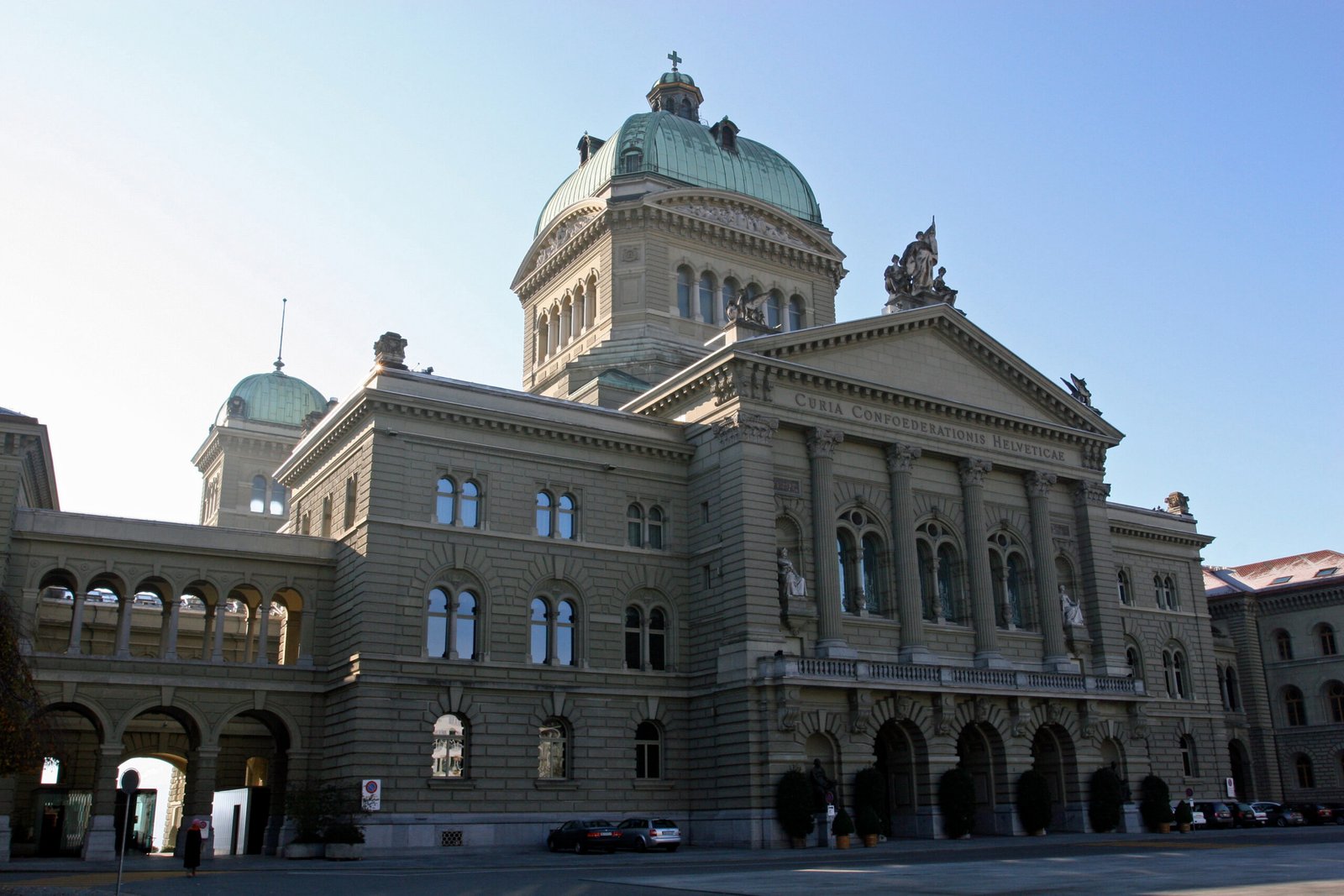
Switzerland is economically connected to European markets while remaining outside the European Union. Its own diplomatic and commercial relationships give it some room to maintain bilateral discussions with Beijing. It may also provide a setting for dialogue or the exchange of views among trading partners.
But EU trade policy is negotiated through the bloc’s institutions and member-state procedures. A bilateral Swiss commitment cannot by itself remove EU tariffs, revise an EU trade investigation or alter regulatory requirements for companies selling into the single market.
Where economic cooperation meets political tension
Trade disputes can arise from differences over industrial subsidies, market access, security concerns and the treatment of overseas competitors. Governments may have an economic interest in reducing barriers while also facing pressure to protect domestic industries. Dialogue can help identify disagreements, but an agreement requires specific commitments from the responsible authorities.
The discussion of AI cooperation adds another dimension. Research and business partnerships can create commercial benefits, yet data-handling requirements, technology controls and national security assessments may constrain the activities that are permissible. Political statements encouraging cooperation do not establish unrestricted access to advanced technologies.
Wang’s Taiwan-related remarks reflect China’s stated position. They should not be represented as a new Swiss policy or as an agreed change to Switzerland’s diplomatic arrangements. Any response by Bern should be assessed through its own official statements.
Why Asian exporters should pay attention
European and Chinese businesses are important participants in Asian supply chains. Changes to their trading relationship can influence investment decisions, component sourcing and the markets available to manufacturers. But the impact of Monday’s meeting cannot yet be quantified, because it has not produced a published change in trade law.
The next evidence to watch will be official Swiss and EU responses, formal negotiations and any specific regulatory decisions. The meeting shows that diplomatic channels remain active even where economic disagreements are serious. Whether that engagement produces practical relief depends on decisions by the authorities with the power to implement it.