SINGAPORE,- Indonesia restored piped natural gas supplies to Singapore on 12 November, ending an 18-day reduction that arose as the neighbouring country prioritised some of its own electricity needs. Singapore’s Ministry of Energy, Trade and Industry confirmed the restoration on 20 November. The immediate issue has been resolved, but the episode highlights why energy security depends on diversification and resilient international agreements.
On 24 October, Indonesia reduced deliveries by 31 million standard cubic feet a day from sources in Natuna and Sumatra. According to CNA’s report of the official update, the gas was redirected towards electricity generation in Batam, Bintan and Sumatra. No further supply reduction had been notified by the time of Singapore’s latest statement.
How much did the interruption affect Singapore?
The Energy Market Authority assessed the reduction at less than 2 per cent of Singapore’s total daily gas demand. That is relatively limited, and there was no reported nationwide electricity shortage. However, the effects were not necessarily identical for every importer or business receiving gas through particular supply arrangements.
Natural gas provides around 95 per cent of Singapore’s electricity generation. The country therefore needs reliable access to fuel even as it explores imports of low-carbon electricity and other future energy options. Sudden interruptions, higher international prices or changes to contracts can matter for businesses and households.
Singapore has developed liquefied natural gas import capacity and sourced gas from several suppliers to reduce concentration risk. Alternative supplies can help during a disruption, but they may have different prices, logistics requirements and contractual terms. Diversification improves options; it does not make energy completely insulated from world events.
Why Indonesia changed its exports
Indonesia’s government has to balance export commitments with rising local demand. Its officials said the reduction remained within the flexibility of existing contracts, though importing businesses still had to manage affected deliveries. The legal position of a contract and the operational consequences of a supply adjustment are distinct issues.
The episode illustrates a wider regional challenge. Governments want affordable and reliable electricity to attract investment and serve their populations. Countries selling energy to neighbours may face domestic political pressures when demand rises. Commercial relationships are important, but changing national priorities can influence future supply decisions.
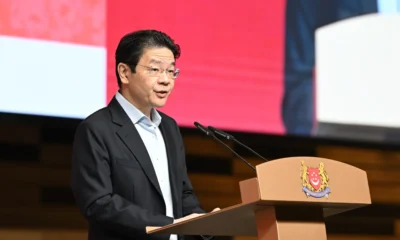
In an earlier Singapore Energy Lecture, Minister Tan See Leng highlighted the country’s efforts to improve energy resilience through supply arrangements and regional partnerships. These investments are intended to ensure that relatively small disruptions do not become widespread shortages.
Why the end of 2028 matters
Singapore’s existing piped natural gas import contracts with Indonesia are due to expire at the end of 2028, according to an earlier parliamentary reply. That makes the terms of future supply, the amount Indonesia can export and Singapore’s alternative sources important medium-term questions.
For electricity users, the restoration is not automatically a promise that tariffs will fall. Prices depend on fuel purchasing arrangements, generation costs and other regulatory factors. Companies with electricity-intensive operations should monitor contract terms and market conditions rather than extrapolate from one relatively small temporary reduction.
Longer-term options may include more flexible liquefied natural gas procurement, regional electricity trading, efficiency improvements and investments in cleaner power. Each has its own costs, technical constraints and implementation timetable.
The immediate news is positive: deliveries are back to normal. The more consequential question is whether Singapore can sustain reliable and reasonably priced energy as regional electricity demand grows and existing gas agreements approach renewal.