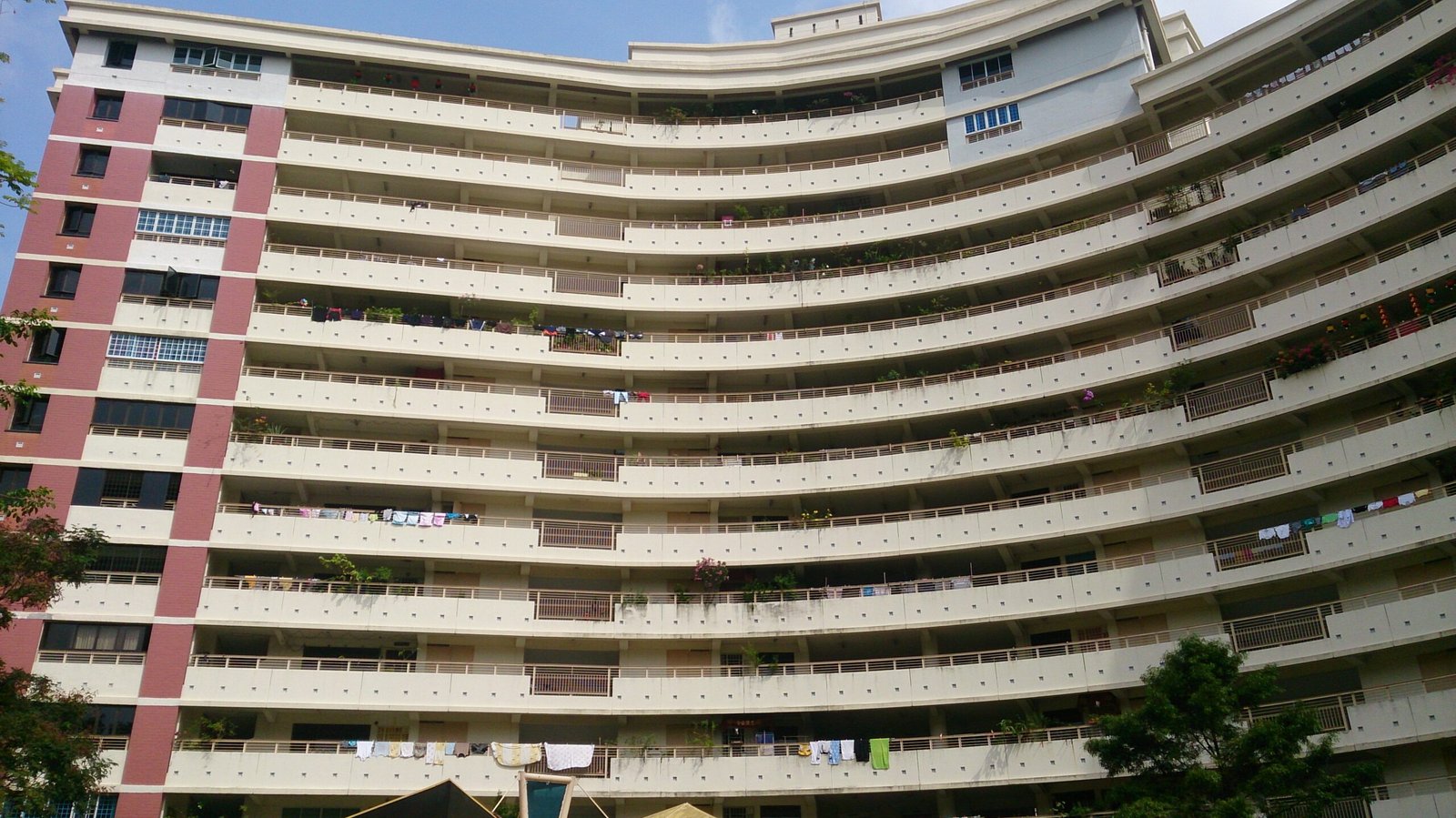
SINGAPORE,- More than 500 hoarding cases remain active within Singapore’s multi-agency support network, and even residents who have agreed to clear their homes may face substantial waits for practical assistance. A charity involved in decluttering says help can take at least six months in some cases. The problem has implications for individual welfare, neighbours and fire safety, but it cannot be understood simply as a matter of people refusing to throw away possessions.
A 21 November CNA Explains investigation examined what happens after a person agrees to receive help. A meaningful clearance may require transport, staff, safe disposal arrangements and follow-up visits. Some residents may be distressed by the possibility of losing belongings that carry emotional significance.
Why consent does not resolve every obstacle
Hoarding can involve persistent difficulty discarding belongings, but not every cluttered household has a diagnosed medical condition. Social isolation, grief, financial concerns and physical limitations may also make it harder to maintain a safe living environment. Reporters and neighbours should avoid publicly diagnosing residents on the basis of the appearance of a home.
In serious cases, it may take repeated conversations to establish trust and identify which items a resident is ready to remove. A rapid clean-out against someone’s wishes may damage relationships and fail to address underlying problems, increasing the risk of accumulation recurring. Where safety risks are urgent, authorities must also weigh the need to protect others and respond within applicable legal powers.
What causes delays even after a resident agrees?
Practical operations are labour-intensive. Workers may need to sort items, organise containers, clear routes to exits and dispose of material safely. A single heavily cluttered home can occupy significant time that a volunteer group might otherwise spend helping several households. These constraints become more severe when cases are complex or require professional support.
The six-month delay reported by the charity should not be treated as a national average for all hoarding cases. Some higher-risk situations may receive more urgent intervention, while others need continuing engagement. To assess performance fairly, policymakers would need data on waiting times across different levels of severity and on whether improvements last.
Why neighbours are concerned
Severe accumulation can increase combustible material, block safe exit routes or interfere with access for emergency responders. Problems may also affect hygiene and common areas. These are legitimate safety concerns, although they do not prove that a particular resident’s home presents immediate danger.
Singapore’s Housing and Development Board guidance emphasises the responsibility to keep shared residential areas safe and clear. The approach to an individual home depends on circumstances and coordination between relevant agencies.
Neighbours who are worried about blocked corridors or other specific hazards should use official reporting channels rather than circulate identifiable photographs or shame residents online. Public humiliation can make cooperation more difficult and expose vulnerable people to unnecessary harm.
What could make assistance more effective?
A risk-based approach could prioritise homes where fire or emergency access concerns are most serious. More trained support workers and partnerships with waste-management providers may help increase capacity. Case managers also need a plan for what happens after the initial removal, including mental health or social-service referrals when appropriate.
Clear information about referral routes, waiting times and follow-up outcomes would help residents understand what assistance is available and enable authorities to identify bottlenecks. An improved system should measure not just how many homes are cleared but whether they remain safe over time.
The key lesson is that hoarding combines practical and human challenges. Sustainable progress requires enough resources to act promptly, together with respectful support that gives residents a meaningful chance to maintain safer homes.