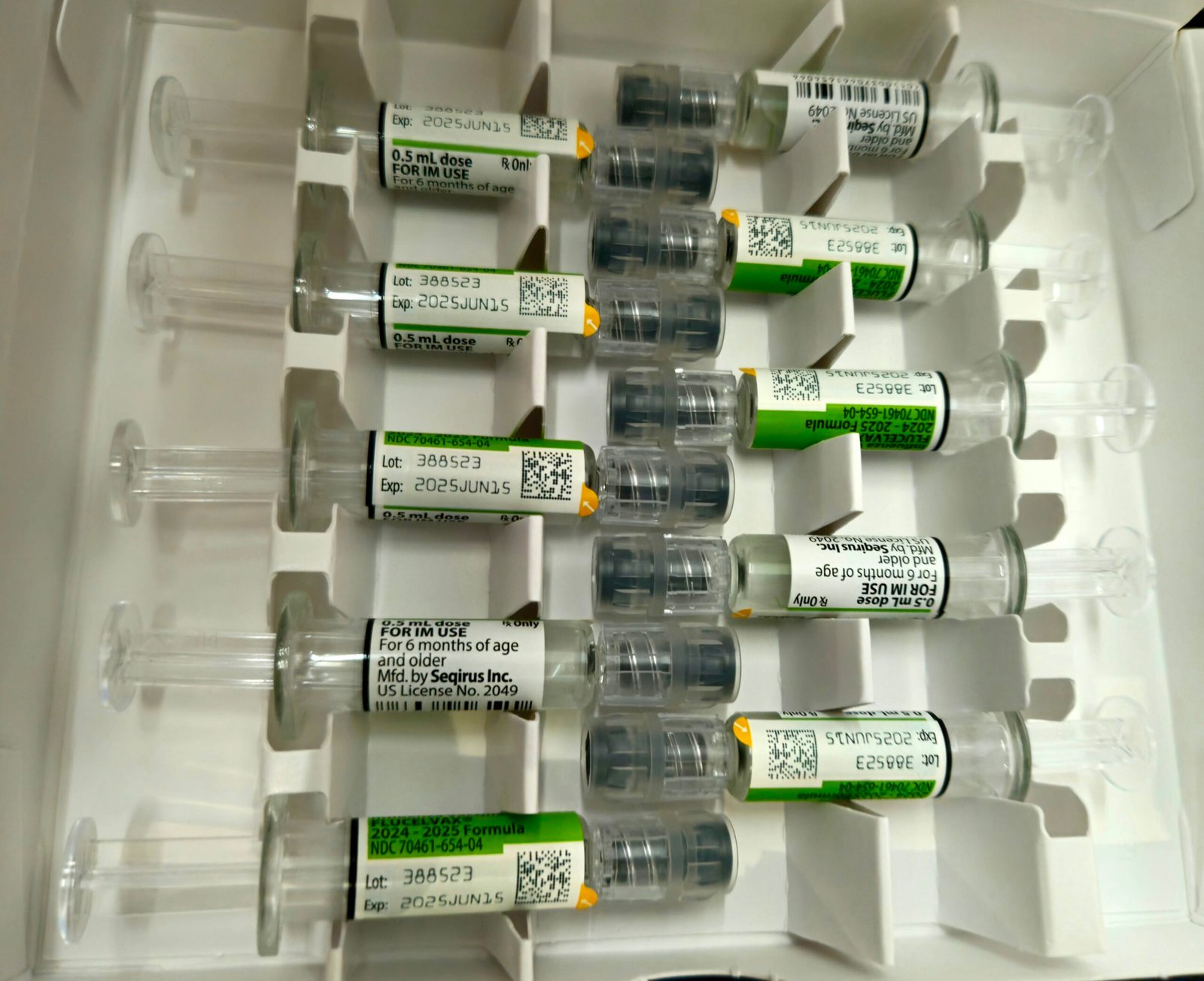
SINGAPORE,- Vaccination rates among Singapore’s older residents have risen sharply over five years, offering evidence that preventive healthcare is reaching more people. Among citizens and permanent residents aged 65 and over, the share who received an influenza vaccine at least once during the calendar year increased from 20.4 per cent in 2021 to 49.5 per cent in 2025, according to Communicable Diseases Agency figures reported on 22 November. The improvement matters because older adults face a greater risk of serious complications from respiratory infections.
The same report found pneumococcal vaccination coverage rising from 31.6 per cent to 67.8 per cent over the period. More than 199,000 shingles vaccine doses were administered to people aged 60 and above between September 2025 and August 2026, after the vaccine became eligible for subsidies under the National Adult Immunisation Schedule.
What these figures actually measure
The influenza percentage describes people aged 65 and over receiving at least one dose within a calendar year, not necessarily protection against every circulating strain. Pneumococcal vaccination involves a different schedule and interpretation. The two coverage measures should not be compared as though they represent identical medical requirements.
In its 22 November report, The Straits Times linked rising rates to government subsidies and more sustained primary-care engagement. Earlier Ministry of Health parliamentary figures also showed upward trends in 2020–2024, providing longer-term context rather than a single-year anomaly.
Why vaccines matter especially in later life
Ageing can change immune responses, and existing illnesses may make recovery from infection more difficult. Influenza can cause severe respiratory disease, while pneumococcal infections can lead to pneumonia and other complications. Vaccines reduce certain risks but are not a promise that every vaccinated person will avoid infection.
Public-health recommendations depend on age, medical conditions and the current vaccination schedule. People should check eligibility and timing with healthcare professionals rather than assume every vaccine is needed annually or that previous doses should be repeated without guidance.
How affordability and convenience affect uptake
Under Healthier SG and existing subsidy arrangements, eligible residents can obtain recommended vaccines at participating clinics. The Ministry of Health advised in September that the 2026 seasonal influenza vaccine was available and encouraged higher-risk groups to receive it if they had not already done so.
Subsidies reduce financial barriers, but access still involves appointments, transportation and confidence in a clinician’s advice. Less mobile seniors may find it harder to attend clinics; family members and community outreach can help them understand options. Such outreach should remain respectful of individual medical circumstances.
What still needs improvement?
Even with higher coverage, roughly half the older population did not receive a recorded influenza dose during 2025 under the reported measure. That gap does not reveal a single cause. Some people may be hesitant, unaware of recommendations, unable to attend appointments or affected by individual clinical considerations.
The next public-health question is not only whether percentages continue rising, but whether greater uptake reduces severe illness and hospitalisation. Those outcomes require separate epidemiological evidence and careful adjustment for circulating infections.
Singapore’s progress suggests that consistent funding and primary-care engagement can influence preventive behaviour over several years. The remaining task is to make trusted advice and appropriate vaccination accessible to people who have not yet benefited.