SINGAPORE — Paying for a meal, settling an online purchase or making a government payment could become less cumbersome under Singapore’s next upgrade to PayNow. But the changes will not arrive all at once: the latest plan is a roadmap for improvements to be introduced progressively over 2027 and 2028.
The Monetary Authority of Singapore (MAS) and the Association of Banks in Singapore (ABS) unveiled the PayNow Generation 2 implementation roadmap on 18 November 2026. Its central aim is to make instant payments work more smoothly across different apps and situations, while strengthening the rules that protect users when something goes wrong.
For consumers and merchants, the significance lies less in a new app than in the systems behind the familiar act of scanning a code or tapping to pay. PayNow already enables account-to-account transfers; the question now is how widely and reliably the network can support everyday commerce.
One QR code, fewer payment barriers
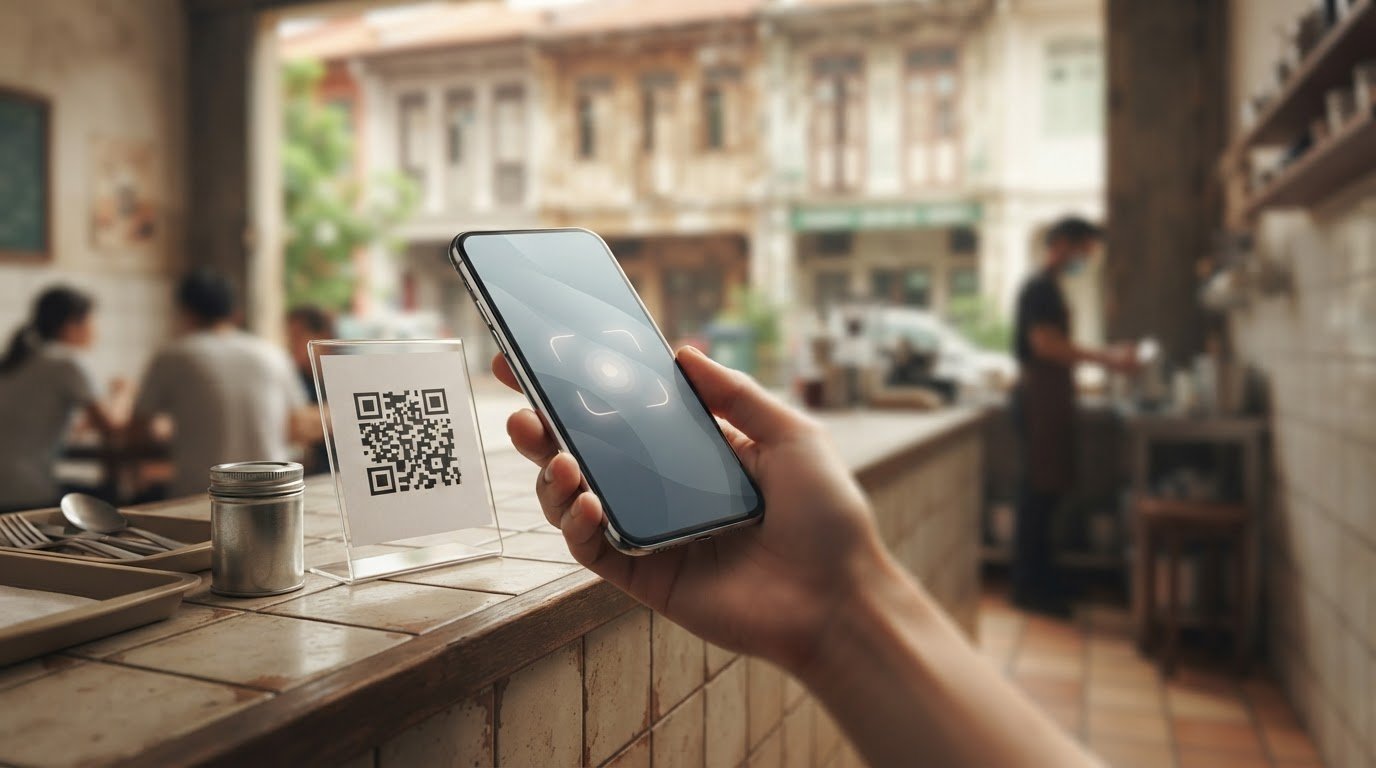
One of the most tangible proposals involves SGQR+, which is intended to let people use a participating payment app at merchants without first checking whether their preferred payment scheme is accepted. The plan also envisages links with major regional QR networks, potentially making payments easier for tourists in Singapore and Singapore residents travelling abroad.
That matters for small businesses as much as shoppers. A customer who cannot use a preferred payment method may need to switch apps, ask for another code or choose another way to pay. More interoperable payment infrastructure could reduce this friction, although the actual benefit will depend on which providers and merchants join and when the connections are available.
Work on the SGQR+ switch has begun. MAS says a limited rollout is planned for 2027, followed by a broader rollout in 2028. This is a future capability, not a claim that every payment app can already scan every merchant’s code today.
A simpler checkout — and clearer protection when things go wrong
Online shopping is another area targeted for improvement. Some PayNow checkouts currently require customers to save or retrieve a QR-code image before opening a banking app to complete payment. The roadmap calls for wider use of deep-linking, which would take a customer more directly from an online checkout into a payment application.
Some deep-linking already exists in selected services, but common technical standards and shared infrastructure are targeted for development by the end of 2027, with more connections introduced through 2028. For shoppers, fewer steps could mean less confusion. For merchants, a smoother checkout could help reduce abandoned transactions, though that outcome is not guaranteed by the roadmap.
Convenience is only half the story. MAS and its partners also want more consistent rules for person-to-merchant payment disputes, refunds, fraud and scams. The Singapore Payments Network is expected to develop these safeguards for phased introduction in 2028. The distinction is important: proposed dispute processes should not be mistaken for protections that have already taken effect.
Why the changes matter for businesses and public services
The roadmap also addresses payments that are difficult to handle with today’s arrangements. A limited pilot for higher-value government payments is expected with one agency in late 2027, before targeted expansion to other agencies from 2028. The objective is to support larger transactions with prompt confirmation, subject to the controls that are ultimately adopted.
Businesses may see another, less visible improvement: more structured information accompanying payments. Fields such as invoice references and merchant identifiers can make it easier to match incoming money with the correct sale or bill. MAS targets the introduction of richer data fields from the end of 2027, with services using them expected from 2028.
For a small firm processing many daily payments, less manual matching could save administrative effort. For larger organisations and public agencies, the same principle could support more automated reconciliation. These are potential operational benefits, not measured savings announced by the authorities.
Beyond today’s payments: preparing for automated commerce
MAS and industry partners will also test options for very small, frequent transactions and explore payments initiated by AI agents. This points towards a future in which software could carry out authorised transactions within defined rules. Such applications raise questions about consent, accountability and safeguards, which testing and future standards will need to address.
A separate Future Payment Rails Blueprint is scheduled for 2027 to examine the longer-term design of Singapore’s payment infrastructure, including resilience, cost and the speed at which new services can be introduced.
For now, the practical takeaway is straightforward: Singapore has set out a staged plan to make PayNow easier to use across payment channels, more useful to businesses and better governed. The details that matter most to users — participating apps, actual launch dates and how disputes are handled — will become clearer as the 2027–2028 implementation progresses.
Sources
This article is based on the 18 November 2026 MAS–ABS announcement, the MAS PayNow Generation 2 programme overview, and The Business Times’ reporting on the roadmap.