SINGAPORE,- Singapore’s century-old Balestier Market is set for a redevelopment that will combine dining, retail and fresh produce offerings. The Singapore Land Authority awarded the state property’s tender to Hua Hng Trading Co Pte Ltd on 24 November, bringing renewed attention to the food centre’s future. The proposed changes present an opportunity to improve the visitor experience, but the eventual mix of tenants and prices will determine whether the market remains useful to the people who live nearby.
As CNA Lifestyle reported on 26 November, the planned layout includes a central eating area, self-service beverage facilities, outdoor seating and a grocery space inspired by the traditional wet market. Events celebrating the neighbourhood’s history are also envisaged. These descriptions outline an intended concept; they do not provide a confirmed opening date or complete tenant list.
A market with a neighbourhood role
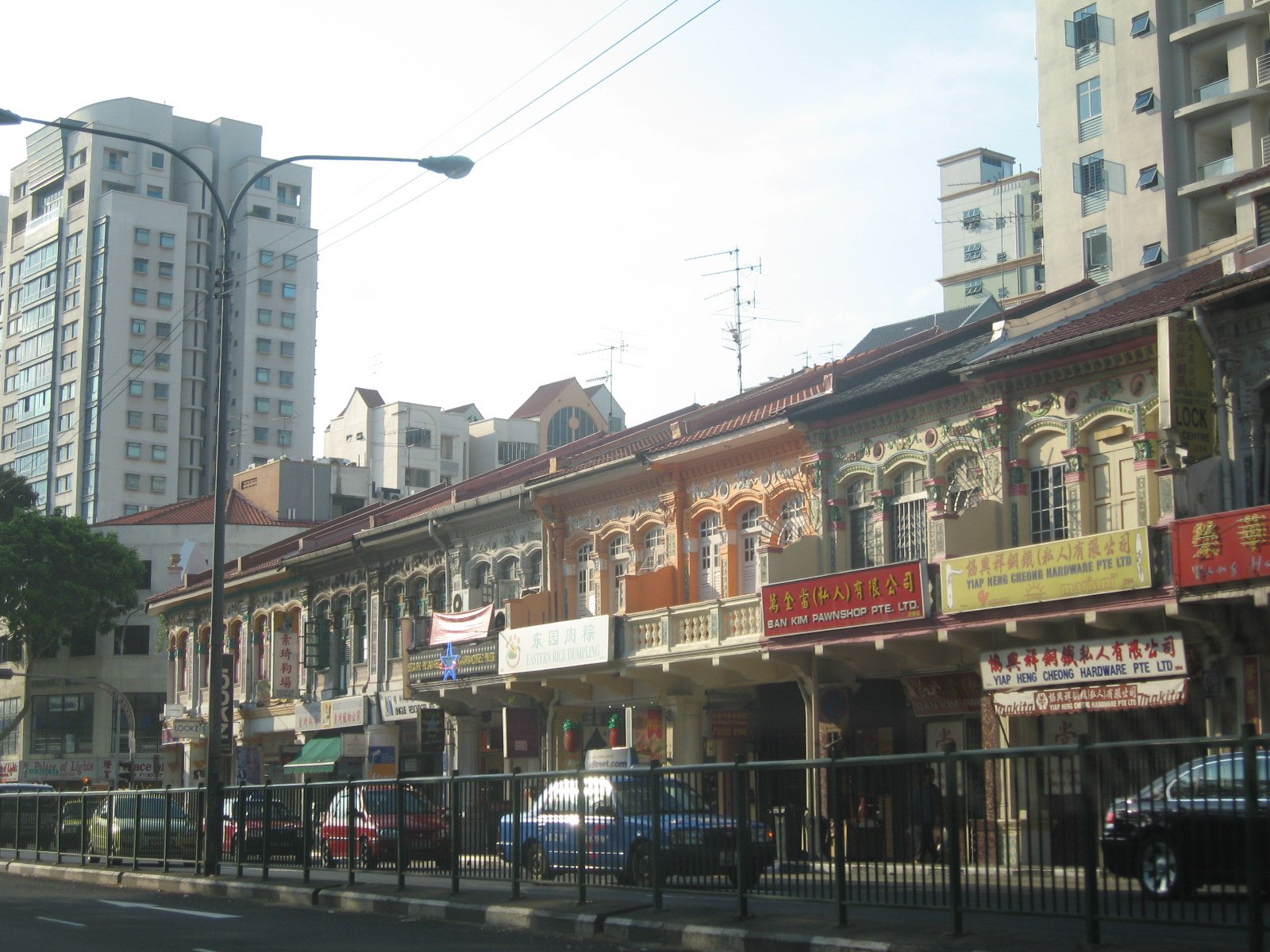
Balestier Market dates to 1922 and has long been associated with the area’s everyday food culture. Buildings such as markets and food centres are significant partly because of the activities they host rather than simply their architectural appearance. Residents may depend on them for inexpensive meals, casual meetings and convenient access to groceries.
Modernisation can make a market more comfortable through improved seating, ventilation, hygiene and accessibility. However, changes to the commercial model may also influence what kinds of vendors can operate there. A visually attractive space is not necessarily an affordable one, and heritage-themed retail does not automatically preserve the practices that originally made a place distinctive.
What existing stallholders may need to know
The Straits Times independently reported the tender award and planned redevelopment. The information available does not establish which current traders will remain or what rental arrangements will apply after the changes. Those details are important because small food businesses often operate with limited financial flexibility.
A stallholder considering a return would need to understand rental obligations, equipment requirements, operating hours and possible periods when trading is interrupted. Customers may also need advance notice of alternative dining options if construction affects regular access. Neither group should assume a particular closure or reopening date until the responsible parties confirm one.
How heritage and commercial viability can coexist
A renovated property needs sufficient income to support its maintenance and operations. At the same time, a market serving a residential district may attract regular customers precisely because it offers familiar food and practical shopping choices. Maintaining a range of prices and products could therefore support both commercial sustainability and community relevance.
Neighbourhood events could introduce visitors to Balestier’s history, while fresh produce and everyday dining can encourage repeat visits outside special occasions. The challenge is to avoid treating heritage as decoration disconnected from the people who use the market. Accessible pathways, sufficient seating and clear information about opening hours can be as important to regular patrons as aesthetic improvements.
What would demonstrate a successful revamp?
After reopening, useful indicators would include the diversity of operators, the price of common meals, accessibility for older visitors and whether residents continue using the market regularly. Feedback from existing traders could help establish whether the transition was manageable. Visitor numbers alone would not show whether the centre still serves its community.
The tender award is a concrete step towards a new phase for Balestier Market. The next questions concern the implementation timetable and conditions for tenants. Preserving its neighbourhood character while improving its facilities would offer a more meaningful outcome than a physical makeover alone.