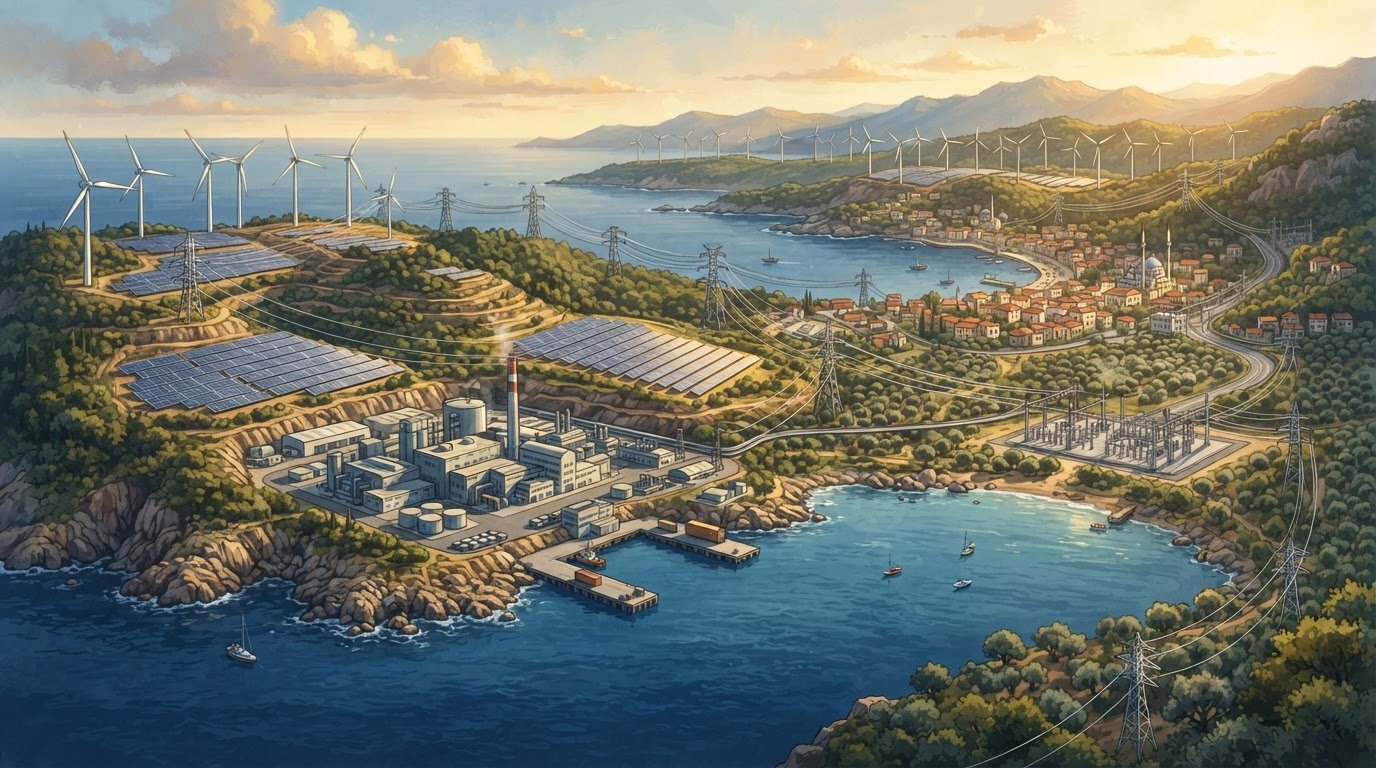
An ambitious plan to increase the share of global energy demand met by electricity has become a test of how governments define practical climate progress at COP31 in Antalya. Turkey’s presidency is promoting a voluntary target to raise electricity’s role in final energy demand to 35 per cent by 2035. The idea could accelerate cleaner transport, heating and industry — but its climate value depends on how the additional electricity is produced.
The debate came into sharper focus on 18 November as OPEC defended the continued importance of fossil fuels. Its secretary general argued that modern energy systems still rely on oil and gas-derived materials and machinery. Reuters reported that the proposed electrification pledge has drawn criticism because it does not itself require the extra electricity to be carbon-free.
What electrification means in everyday terms
Final energy demand refers to the energy used by consumers, businesses and industries, rather than all the energy consumed in producing and delivering fuels. Electrification means replacing direct combustion in some activities with electrically powered alternatives — for example, electric vehicles instead of petrol vehicles, or heat pumps instead of certain fuel-burning heating systems.
These technologies can be more efficient, especially when the grid becomes cleaner. But if a country expands electricity generation mainly through fossil-fuel plants, rising electricity use does not automatically mean its emissions fall as quickly as needed. The outcome depends on the generation mix, efficiency improvements, demand growth and the retirement of high-emitting equipment.
The UN climate secretariat says the COP31 presidency set out the 35-by-35 goal earlier this year, alongside ambitions to reduce waste growth and energy intensity in buildings. During the 18 November programme, ministers were scheduled to discuss electrification and the second Global Stocktake process began. That wider stocktake will gather evidence to assess collective progress under the Paris Agreement.
Why energy producers are challenging the approach
OPEC argues that rapid changes to energy systems must consider materials supply, infrastructure reliability and differing national needs. Supporters of faster clean-energy deployment counter that continuing investment in high-emitting fuels risks locking in emissions and delaying the transition. Both positions involve real planning questions, but they are not equivalent evidence that every fuel pathway delivers the same climate outcome.
Grid capacity is one constraint. Electric transport and industry require dependable networks, storage and enough generation when demand peaks. Some developing economies also need affordable access to basic electricity before electrifying existing machinery. International finance and technical assistance can therefore matter as much as headline targets.
For fossil-fuel-importing countries in Asia, the economic stakes include energy-price volatility and security of supply. A more diverse electricity system could reduce exposure to some imported fuels over time, but capital costs, grid investment and tariffs need careful management. Transition benefits depend on national circumstances rather than a single global timetable.
What would make the pledge credible?
A voluntary goal has limited force unless countries explain how they will pursue it. Useful evidence would include national generation plans, funding commitments, grid projects, emissions accounting and mechanisms for measuring the resulting changes. A rising share of electricity in final energy use is an important indicator, but it is not a substitute for measuring greenhouse-gas emissions.
COP31 is scheduled to conclude on 20 November, although the final negotiating outcome was not settled at the time of writing. Delegations may reach agreements on particular issues, or leave some decisions for further work. Readers should therefore distinguish the presidency’s announced ambitions and the endorsements of individual countries from negotiated commitments binding all participants.
The larger point is that electrification is a pathway, not the destination. Turning more activities electric can make deep emissions reductions possible; achieving those reductions requires electricity systems, investment and policy to move in the same direction.
Sources and further reading
Sources: Reuters: OPEC position at COP31, 18 November; UN Climate Change: 18 November programme; UNFCCC: electrification target explained.