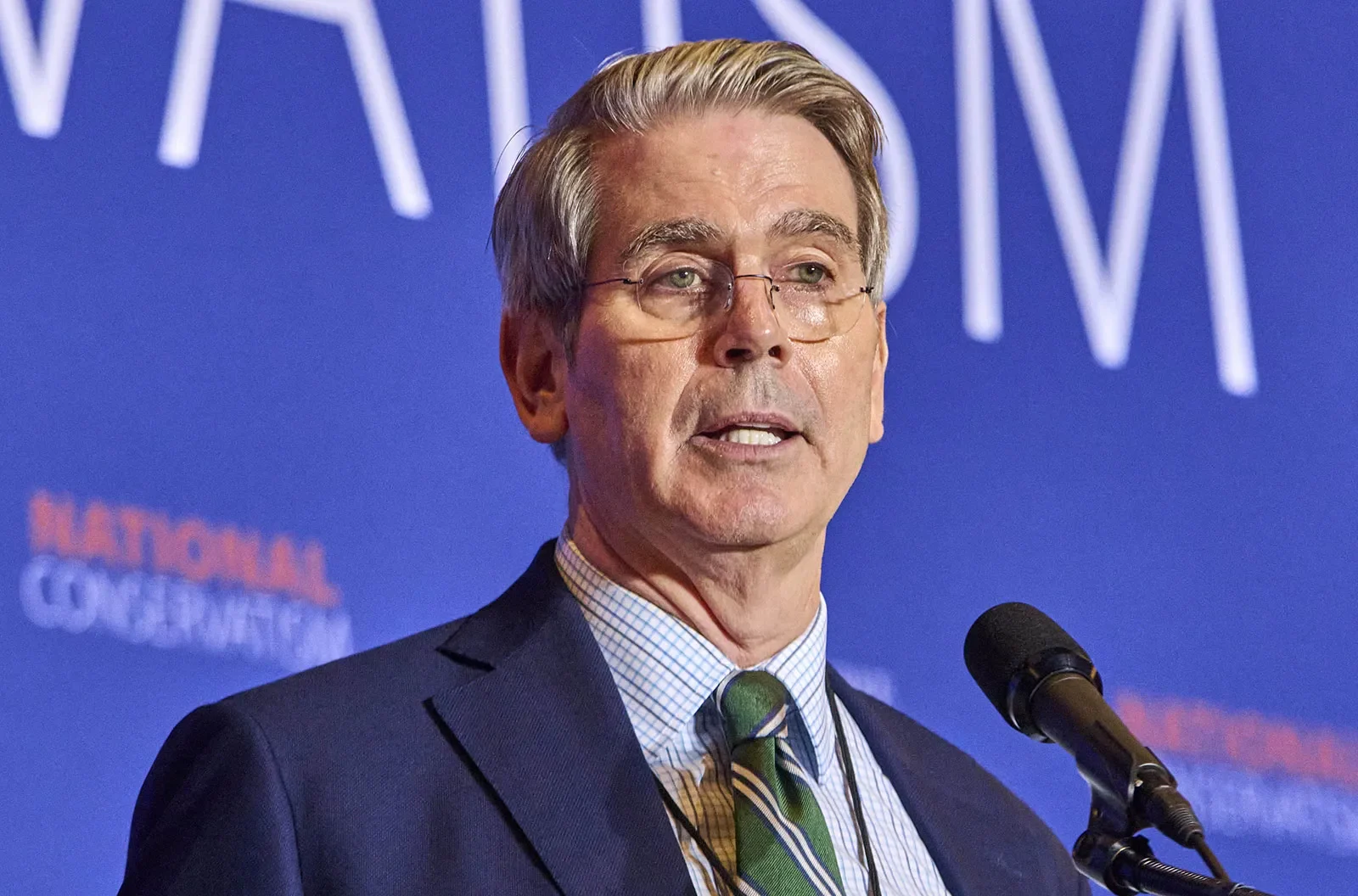
INTERNATIONAL – Five months into the grinding conflict between the United States and Iran, Washington is signaling that a breakthrough on the Strait of Hormuz may finally be within reach, according to CNBC. Treasury Secretary Scott Bessent told the network’s “Squawk Box” on Tuesday that negotiators were closing in on an agreement to reopen the vital waterway, even as President Donald Trump cast the current round of talks in far more urgent terms.
Trump described this stretch of negotiations as the “last chance” to end a war that has dragged on for five months, a phrase that underscored just how fragile the diplomatic track has become. Bessent, however, struck a more hopeful note when pressed by CNBC anchors. “We are in talks with the Iranians,” he said, adding that “there is a chance we may have a deal today or tomorrow to open the Strait and move towards a more normalized position in this conflict.”
When asked whether Iran might be permitted to charge a toll for ships passing through, Bessent indicated the emerging deal would instead guarantee freedom of movement through the strait, rather than allowing Tehran to profit from controlling access. His comments landed at a moment when markets were desperate for good news, and they appeared to work: oil prices, which had been climbing on fears of prolonged disruption, pulled back after his remarks aired.
Read More: US-Iran Conflict Escalates as Hormuz Crisis Deepens
Here’s where the picture gets murkier, and likely why this story feels hard to pin down. While Bessent and Trump were projecting confidence in Washington, Tehran was telling a completely different story. Iranian officials flatly denied that any direct negotiations were even taking place, contradicting the White House’s version of events entirely. That contradiction has become something of a pattern over the past several months: Trump swings between predicting a swift resolution and lashing out at Iranian leadership as “unbelievably duplicitous,” sometimes within the same 24-hour stretch.
Adding to the uncertainty, a cargo vessel near the Omani coast of the strait was attacked around the same time these talks were reportedly happening, an incident flagged by the UK Maritime Trade Operations Centre, which monitors shipping risks in the region. That attack reinforced doubts about how close a real deal actually is, since traffic through Hormuz remains a fraction of its normal peacetime volume regardless of what officials are saying publicly.
The Strait of Hormuz has effectively become the barometer for the entire standoff, with global oil prices swinging on every statement, denial, or attack tied to it. Given how many previous ceasefires and deadlines have collapsed at the last moment throughout this war, it makes sense that even close observers are struggling to tell whether this round of talks represents genuine progress or just another cycle of mixed signals between two sides that can’t agree on the basic facts of their own negotiation.