INTERNATIONAL – The United States has intensified its military campaign against Iran, launching a fresh wave of strikes while President Donald Trump warned that even more severe attacks could follow if Tehran refuses to return to negotiations. According to CNBC, the latest escalation comes as tensions around the strategically vital Strait of Hormuz continue to rise, increasing concerns over global energy supplies and regional stability. The waterway is one of the world’s most important shipping routes, carrying a significant share of internationally traded oil and natural gas.
The renewed military action follows U.S. accusations that Iran has targeted commercial vessels transiting the Strait of Hormuz, prompting Washington to reimpose a naval blockade on Iranian ports. U.S. officials said the latest strikes were aimed at degrading military assets allegedly used to threaten international shipping, while Iran has vowed to resist what it describes as growing American aggression. Oil prices responded to the heightened uncertainty by moving higher as investors monitored the possibility of prolonged disruptions to global energy markets.
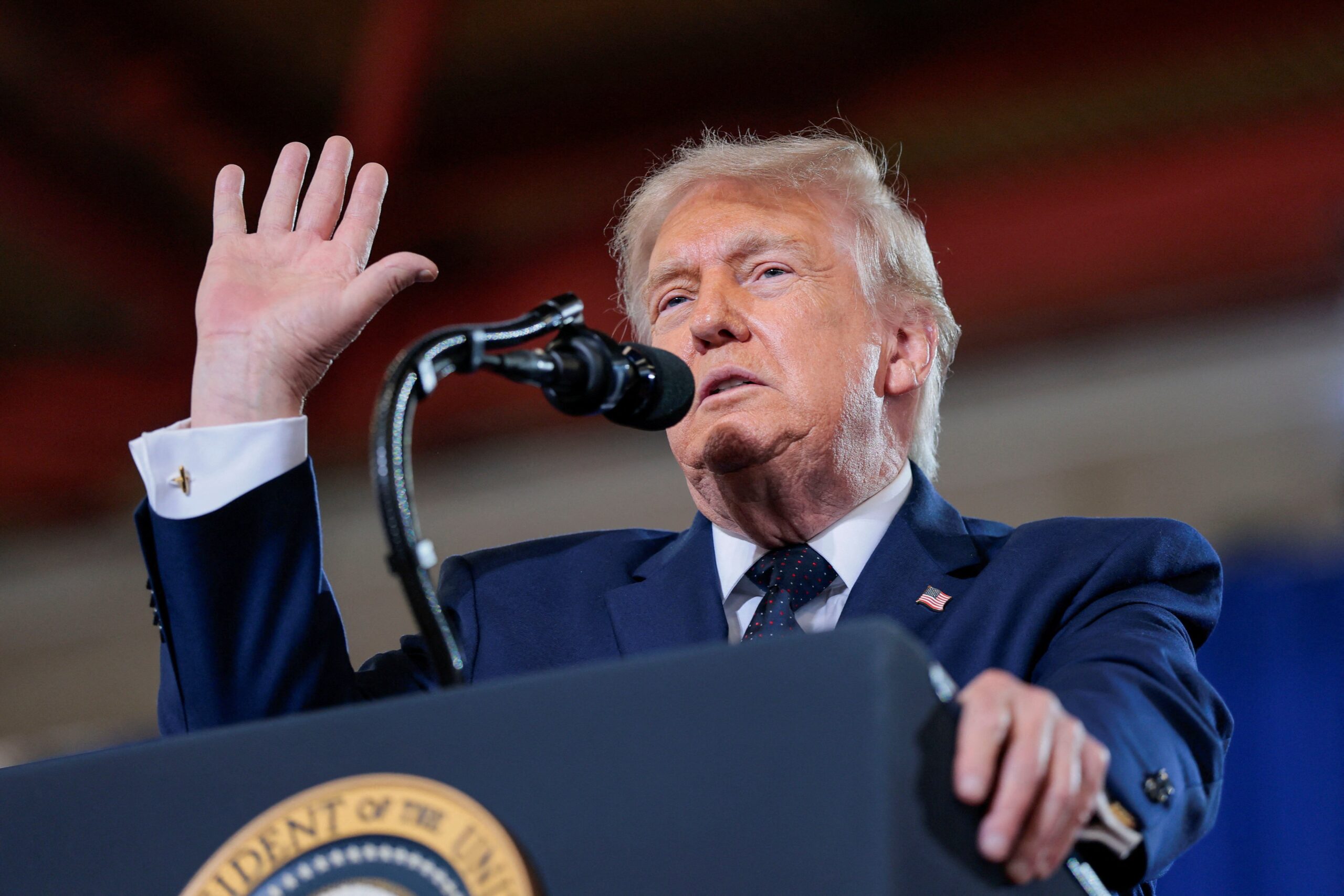
Speaking during an interview with Fox News, President Trump warned that the conflict could expand unless Iran agreed to negotiate. “Next week it gets really bad for them because next week comes the power plants. Next week comes the bridges,” he said. Trump added, “We’re going to knock out all their power plants. We’re going to knock out all their bridges unless they get to the table and negotiate.” When asked how long military operations would continue, he replied, “They’ll continue until I say it’s enough.”
Read More: NATO Unveils Major Arms Deals Ahead of Trump Summit Talks
Iran has condemned the renewed U.S. offensive and warned that continued military pressure could further destabilize the region. The confrontation has already expanded beyond direct military exchanges, with attacks reported on regional bases and increasing fears that the conflict could affect neighboring countries and international shipping. Analysts caution that any sustained disruption in the Strait of Hormuz would have significant consequences for global oil prices, inflation, and energy security.
Taken together, CNBC reported that the latest developments reflect one of the most serious confrontations between Washington and Tehran in recent years. While diplomatic channels remain open, military operations continue alongside increasingly forceful rhetoric from both sides. The coming days are expected to be critical as governments, energy markets, and international observers closely watch whether negotiations can resume or whether the confrontation will deepen, with potentially far-reaching implications for regional security and the global economy.